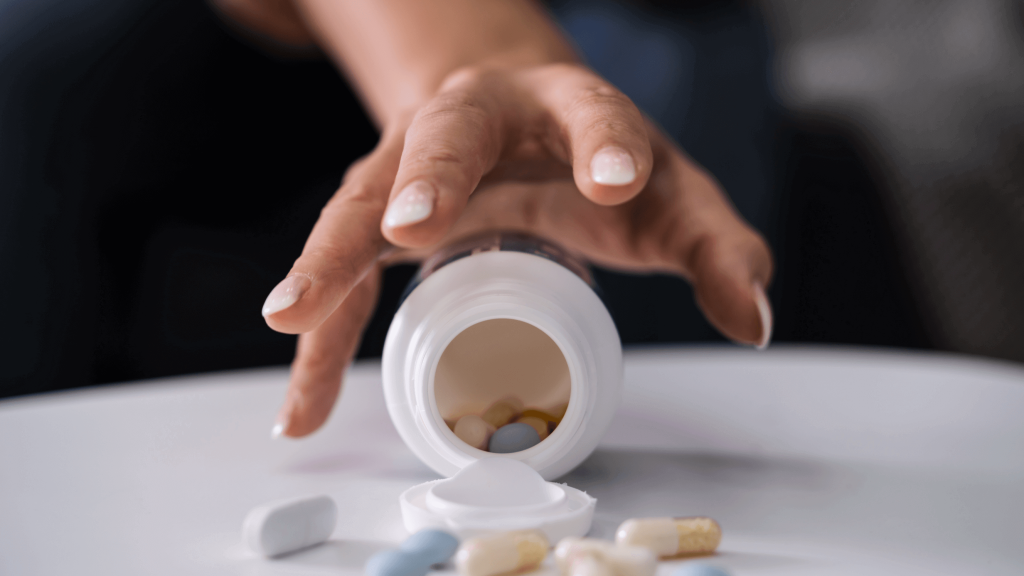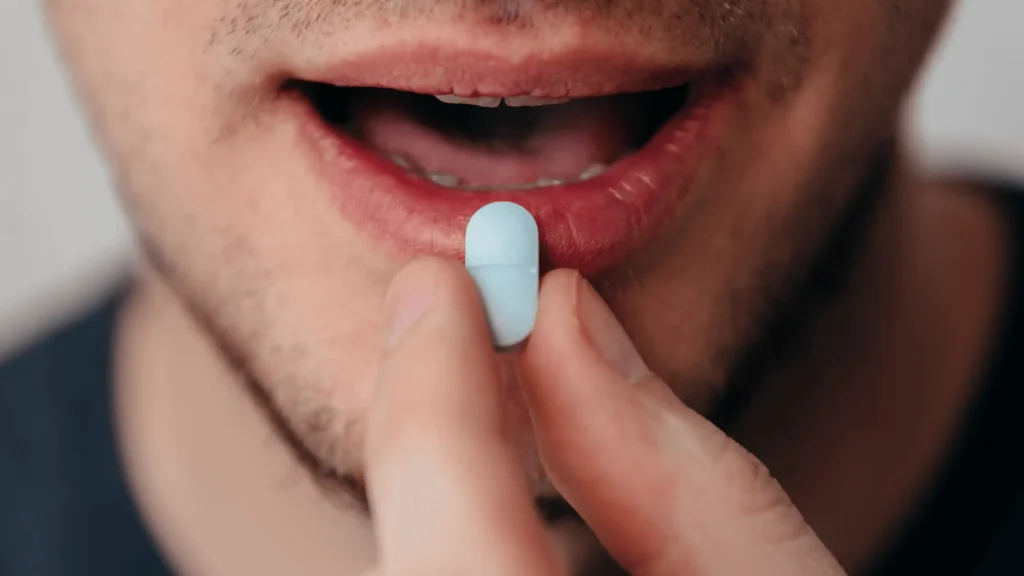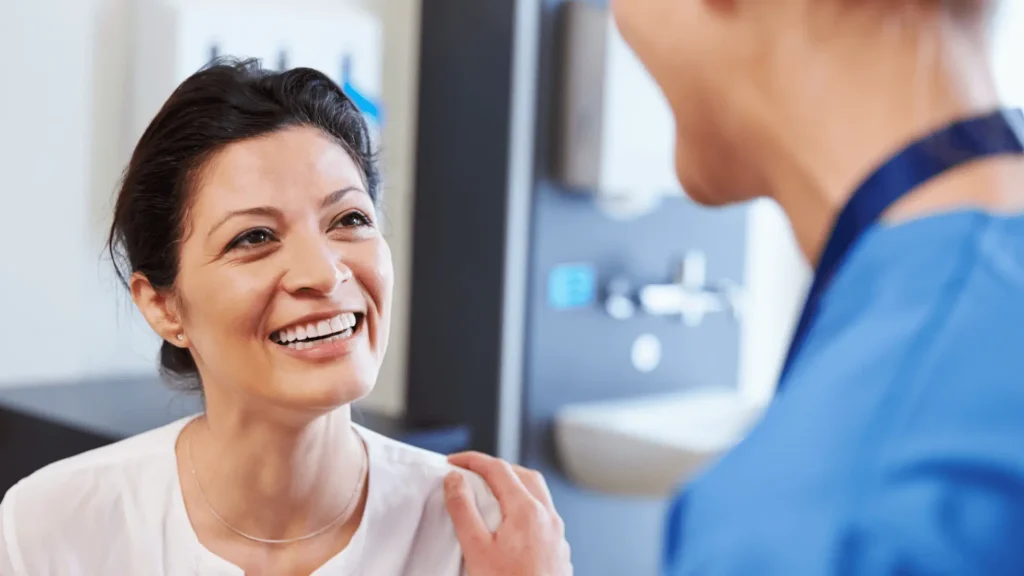
Facing opioid or heroin use disorder can feel overwhelming and isolating. It’s a struggle that comes with complex emotions, physical challenges, and societal pressures. But it’s important to know you’re not alone, and there is a way forward. This discussion is designed to shed light on the nature of opioid and heroin addiction, exploring how these substances impact the mind and body.
More importantly, it aims to provide clarity on the support systems, treatment options, and tools available to help you on your path to recovery. You deserve understanding, compassion, and solutions that work. Let’s take this step together.
Understanding Opioid and Heroin Use Disorder
Opioid and heroin use disorder is a complex medical condition that involves a compulsive pattern of substance use despite its negative impacts on health, relationships, and daily life. Both opioids, a class of drugs that include prescription pain relievers, and heroin, an illegal opioid, act on specific receptors in the brain. They trigger the release of endorphins, creating powerful sensations of pain relief and euphoria. Over time, the brain reduces its natural production of endorphins, leading users to crave larger doses just to feel normal. This shift marks the onset of dependency.
Dependency often evolves into addiction, which is characterized by an inability to stop using the substance, even when it causes harm. Physical symptoms, like nausea, sweating, and chills, can occur when opioids are not taken, forcing the body into withdrawal. Withdrawal symptoms are often severe, creating a cycle of repeated use to avoid discomfort rather than to achieve the initial pleasurable effects. This cycle can quickly spiral, with increased usage leading to a heightened risk of overdose.
Long-term opioid or heroin use rewires the brain’s reward and tolerance pathways, making recovery challenging without help. Dependence may also result in broader health issues, from respiratory depression to liver damage. Understanding that addiction stems from these profound changes in brain chemistry—not a weakness of will—is crucial to promoting empathy and effective treatment. Breaking the cycle starts with acknowledging the condition and seeking tailored support to address both dependency and withdrawal safely. Recovery is possible, and seeking help is the first step forward.
Related: The Challenges of Heroin Addiction and How to Overcome Them
Barriers to Seeking Help
For individuals struggling with opioid and heroin use, seeking help can be a significant hurdle. Despite the availability of treatments, numerous barriers often prevent access to effective care. Understanding these challenges is the first step toward overcoming them. Below are some of the most common barriers:
- Stigma and Misunderstanding
Societal judgment often paints addiction as a moral failing rather than a medical condition. This leads to shame and fear of being labeled or judged, deterring people from reaching out for assistance. The stigma extends to treatments as well, with misconceptions around medication-assisted therapy being seen as “substituting one drug for another.” - Financial Challenges
The cost of treatment can be prohibitive, especially for individuals without insurance. Even with coverage, some plans limit access to critical treatments like medication-assisted therapy. Medicaid and other state programs often come with restrictions on services. - Geographic and Accessibility Issues
Rural areas frequently lack nearby treatment centers, forcing individuals to travel long distances for care. Transportation challenges and time constraints further compound the difficulty of accessing help. - Systemic Fragmentation
Substance use treatment is often separated from general healthcare systems, making it harder to find coordinated care for co-occurring mental health or physical conditions. Limited awareness among healthcare providers also impedes timely treatment referrals. - Fear of Legal or Professional Consequences
Some individuals avoid seeking help for fear of facing legal action or losing their jobs, especially in professions with strict drug policies.
Acknowledging these barriers is key to addressing them. Support networks, policy reforms, and localized resources can help bridge these gaps, ensuring no one has to battle addiction alone. Reaching out is the first, courageous step.
Related: Understanding the Impact of Kratom Withdrawal on Mental Health
Treatment Options Available
For those battling opioid and heroin use disorder, a range of treatment options exists to support recovery. Combining medication management with therapy has proven to be the most effective approach, helping individuals regain stability and rebuild their lives. Below are the primary treatment strategies:
- Medication-Assisted Treatment (MAT)
MAT utilizes FDA-approved medications to ease withdrawal symptoms, reduce cravings, and restore brain balance. Common medications include:- Methadone: A long-acting opioid agonist that prevents withdrawal and reduces cravings without inducing a high.
- Buprenorphine: A partial agonist that relieves withdrawal symptoms and drug cravings with a lower risk of misuse.
- Naltrexone: An antagonist that blocks opioid effects, preventing the euphoric high and reducing relapse risk.
- Behavioral Therapies
Counseling helps address the psychological and emotional aspects of addiction. Key approaches include:- Cognitive-Behavioral Therapy (CBT): Teaches coping mechanisms and healthier thinking patterns.
- Contingency Management: Offers rewards for maintaining sobriety and attending treatment sessions.
- Motivational Enhancement Therapy: Strengthens commitment to recovery goals.
- Group Counseling: Builds community support among peers in treatment.
- Integrated Approaches
A combination of medication and counseling produces the best results. Integrated treatment addresses not only substance use but also co-occurring mental health conditions and social challenges. - Residential and Outpatient Programs
- Residential: Provides structured care with around-the-clock support in a live-in setting.
- Outpatient: Allows flexibility while offering comprehensive therapies and MAT on a scheduled basis.
Seeking help opens the door to effective recovery solutions. With the right support, individuals can regain control and move toward a healthier, fulfilling life.
Related: Managing Chronic Pain Without Addiction Risks
Building a Support System

Recovery from opioid and heroin use disorder becomes more achievable with a strong support system. A robust network provides emotional encouragement, accountability, and the necessary tools to manage challenges and avoid relapse. Here’s how you can start building your support system:
- Engage with Trusted Family and Friends
Surround yourself with people who understand, inspire confidence, and encourage your recovery. Rebuild damaged relationships through open communication and family therapy while distancing from individuals who might hinder your progress. - Join Recovery Groups and Communities
Groups like Narcotics Anonymous (NA) and similar programs offer a safe, judgment-free space to share experiences and build connections with peers who understand your struggles. Many programs include mentors or sponsors who provide ongoing guidance. - Work with a Therapist or Counselor
Professional counselors specializing in addiction recovery can help you process emotions, identify triggers, and develop healthy coping mechanisms. One-on-one or group therapy builds resilience. - Participate in Wellness Activities
Activities such as yoga, meditation, or group fitness can introduce you to others focused on healthier living. These connections reinforce positive habits and offer new friendships. - Utilize Online Resources
Digital platforms, forums, and apps offer immediate support when in-person contact isn’t feasible. These tools can supplement your existing network. - Practice Giving Back
Over time, support others on their path to recovery. Helping peers reinforces your own progress while contributing to a healthier community.
Recovery is challenging, but with the right support system, you are not alone. Take one step at a time, reach out, and surround yourself with people who genuinely care about your success.
Related: Navigating the Medical Detox Process: What to Expect
Overcoming Relapse and Staying Inspired
Relapse is a common hurdle in recovery from opioid and heroin use disorder. While challenging, relapse can be an opportunity to learn and strengthen your path toward a substance-free life. Below are some strategies to help prevent relapse and maintain motivation:
- Recognize Triggers
Identify people, places, and situations that may tempt you to use again. Triggers can include emotional stress, social events, or certain environments. Prepare ahead of time by developing a plan to manage these high-risk scenarios. - Adopt Healthy Coping Mechanisms
Engage in activities like meditation, journaling, or exercise to manage stress and emotions. Cognitive-behavioral therapy (CBT) is also highly effective for building positive thought patterns and habits. - Strengthen Your Support Network
Lean on trusted family, friends, or recovery groups like Narcotics Anonymous. A strong circle of support can provide accountability and encouragement when times are tough. You can connect with professionals like Lisa Perna, a board-certified nurse practitioner specializing in addiction medicine and behavioral health, for additional guidance. - Set Realistic Goals
Break your recovery into manageable milestones and celebrate progress. Small victories help maintain focus and reinforce motivation. - Stay Engaged with Treatment
Consistent participation in therapy or counseling sessions is key. Advanced programs, such as those offered by Revival Recovery Center, provide comprehensive resources and compassionate care for relapse prevention and long-term recovery.
If you’ve experienced a setback, remember that it’s not the end of your recovery. Seek help as soon as possible to get back on track. Whether you’re in Highland, Michigan, or beyond, caring professionals are available to support your renewed efforts. Visit Revival Recovery Center to access the tools you need for success. Recovery is always within reach.