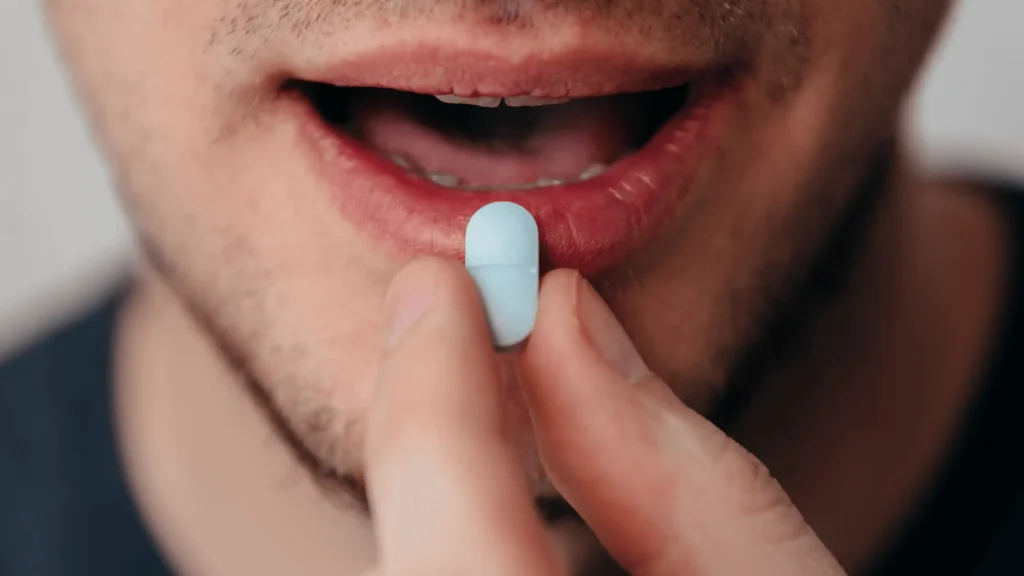
Heroin addiction is a complex and deeply personal battle that affects every aspect of life. For those who are struggling, the physical, emotional, and social toll can feel overwhelming, making it hard to see a way forward. The cycle of dependence is often fueled by feelings of isolation, shame, or fear, creating barriers to seeking the help you deserve.
But recovery is possible, and understanding the challenges you face is an important step toward reclaiming control. This piece will explore the hurdles of heroin addiction while offering practical insights and strategies to help you move toward a healthier, more hopeful future.
Understanding Heroin Addiction: How It Impacts Your Body and Mind
Heroin addiction profoundly impacts both the body and mind, creating layers of dependence that can be difficult to break without intervention. Physically, heroin binds to opioid receptors in the brain, leading to an intense release of dopamine that produces feelings of euphoria. Over time, the brain’s natural ability to produce these chemicals diminishes, causing users to rely on the drug to feel normal. This process leads to dependence and the need for increasing doses to achieve the desired effect. Long-term use can cause severe physical issues, including collapsed veins, liver and kidney damage, respiratory problems, and an increased risk of infectious diseases due to unsafe practices like needle sharing.
Psychologically, heroin addiction alters the brain’s reward and decision-making systems. Regular use can damage white matter in the brain, impairing impulse control, decision-making, and emotional regulation. The brain becomes wired to prioritize heroin above all else, often to the detriment of relationships, work, and self-care. Mental health challenges such as anxiety, depression, and aggression can emerge or worsen, making it harder to break the cycle.
Withdrawal symptoms, including restlessness, muscle pain, insomnia, and intense cravings, can set in just hours after the last use, further trapping individuals in addiction. Yet, understanding these impacts is the first step toward recovery. By recognizing how heroin takes control of the body and mind, individuals can begin to reclaim their health and seek the help they need to heal. With the right support, recovery is not only possible but achievable.
Related: Understanding the Impact of Kratom Withdrawal on Mental Health
Breaking the Cycle of Dependence: Why It Feels Impossible and How to Start

Breaking the cycle of heroin dependence can often feel like an insurmountable challenge. This perception stems from how heroin alters the brain and body, making addiction a deeply entrenched physical, emotional, and psychological struggle. Heroin rewires the brain’s reward system, creating intense cravings and a reliance on the drug to produce even basic feelings of well-being. The withdrawal symptoms that emerge after stopping, such as severe pain, insomnia, and debilitating cravings, can further prevent effective recovery. Despite how overwhelming it feels, taking the first step toward recovery is possible with the right approach and mindset.
Here’s how you can start breaking free:
- Understand and Prepare for Withdrawal
Withdrawal symptoms are natural and temporary. Reach out to medical professionals for supervised detox, which provides medications like methadone or buprenorphine to ease symptoms. - Find Professional Help
Contact a local health provider or addiction treatment center. Many offer customized treatment plans, including therapy and support groups, to help tackle both physical dependence and the underlying challenges of addiction. - Build a Support System
Recovery is not something you have to face alone. Lean on friends, family, or a recovery community like Narcotics Anonymous to surround yourself with encouragement and accountability. - Set Small, Achievable Goals
Start with realistic milestones, like attending one therapy session or completing one drug-free day. Celebrate progress to maintain motivation.
While breaking dependence seems impossible, small, consistent efforts supported by professionals and loved ones can lay the foundation for lasting recovery. With persistence and proper care, freedom from heroin addiction is within reach.
Related: Managing Chronic Pain Without Addiction Risks
The Physical Challenges of Detox and Withdrawal
Heroin detox is a physically challenging phase of recovery that brings intense symptoms as the body begins to adjust to the absence of the drug. Understanding these challenges can help individuals prepare for the process and stay committed to healing.
Key physical symptoms of heroin withdrawal include:
- Flu-like Symptoms
Fatigue, muscle aches, sweating, and chills are common during the early stages of detox. - Gastrointestinal Issues
Intense nausea, vomiting, diarrhea, and stomach cramps can make this phase uncomfortable, increasing the need for hydration and rest. - Disturbed Sleep Patterns
Many individuals experience insomnia, restless sleep, or vivid dreams, contributing to overall exhaustion. - Elevated Heart Rate and Blood Pressure
Withdrawal puts stress on the cardiovascular system, often leading to a rapid heartbeat and increased blood pressure, which can feel overwhelming. - Cravings and Restlessness
The body’s reliance on heroin leads to severe cravings that drive both physical and emotional turmoil.
While the symptoms can peak within the first three days after the last dose, they often start to ease after about a week. However, post-acute withdrawal syndrome (PAWS) may include lingering symptoms such as fatigue, sleep disturbances, and emotional instability that last for weeks or months.
Actionable Tips for Managing Detox Challenges:
- Seek medical oversight to manage severe symptoms and ensure safety.
- Stay hydrated to counteract fluid loss from vomiting or diarrhea.
- Use over-the-counter medications (as advised) to relieve muscle pain or nausea.
- Consider medication-assisted treatments like methadone or buprenorphine for cravings.
- Lean on a support system, whether family, friends, or professional counselors.
Though difficult, completing detox is a vital first step toward reclaiming health and freedom from heroin addiction.
Related: Navigating the Medical Detox Process: What to Expect
Coping with Cravings and Preventing Relapse
Coping with cravings and preventing relapse are essential components of a successful recovery from heroin addiction. Cravings are powerful, often triggered by stress, exposure to certain environments, or emotional struggles. While they can feel overwhelming, learning effective strategies to manage them can help you stay on the path to sobriety.
Strategies for Managing Cravings
- Identify Triggers
Understand what situations, people, or emotions heighten your cravings. Common triggers include stress, boredom, or being around individuals tied to past drug use. Avoid these influences when possible. - Engage in Healthy Distractions
Replace unproductive habits with fulfilling activities. Try exercising, crafts, journaling, or cooking to keep your mind off cravings while improving overall well-being. - Practice Relaxation Techniques
Use mindfulness, meditation, or deep breathing exercises to reduce anxiety and prevent cravings from escalating. These techniques help you focus on the present and regain control over your emotions. - Seek Support
Join peer recovery groups like Narcotics Anonymous or SMART Recovery. Connecting with others facing similar struggles provides encouragement and accountability. - Focus on Your Progress
Reflect on how far you’ve come in recovery. Write a list of the benefits of staying drug-free, such as improved relationships, health, and opportunities.
Tips to Prevent Relapse
- Develop a Routine
A structured daily plan minimizes downtime, reducing the likelihood of relapse. - Build a Support Network
Surround yourself with understanding friends, family, or sponsors who can intervene if challenges arise. - Access Professional Help
Therapy or medication-assisted treatment (MAT) can address underlying issues and reduce cravings.
By implementing these strategies, cravings can become manageable, and relapse risks can diminish, paving the way for lifelong recovery. Stay proactive and seek help when needed to maintain your progress.
Related: Understanding Alcohol Rehab: What You Need to Know
Overcoming Shame and Isolation to Seek Help
Shame and isolation are powerful emotions that often keep individuals trapped in the cycle of heroin addiction. Feeling unworthy or fearing judgment from others can make it difficult to seek help. This emotional barrier, however, can be overcome with the right mindset and support.
Shame stems from the belief that addiction represents a personal failure, rather than a medical condition that can affect anyone. Isolation compounds this by placing individuals in a bubble of self-judgment and disconnection from loved ones. Breaking free starts with recognizing that addiction is not about weakness; it’s a treatable condition supported by compassionate and effective care.
Seeking help is the first step toward a brighter future, and resources in places like Highland, Michigan can make the process less intimidating. Lisa Perna, a board-certified nurse practitioner specializing in addiction medicine and behavioral health, emphasizes the importance of personalized care to address both the emotional and physical aspects of addiction. Programs that focus on building self-compassion, such as cognitive-behavioral therapy and peer support groups, can help individuals reshape negative perceptions into a foundation for recovery.
It’s never too late to reach out, and there’s no need to face this alone. Facilities such as Revival Recovery Center provide holistic support designed to heal not just the body, but also the mind and spirit. With therapists, medical professionals, and peers guiding you every step of the way, you can break free from both shame and isolation to build a life of hope and connection.