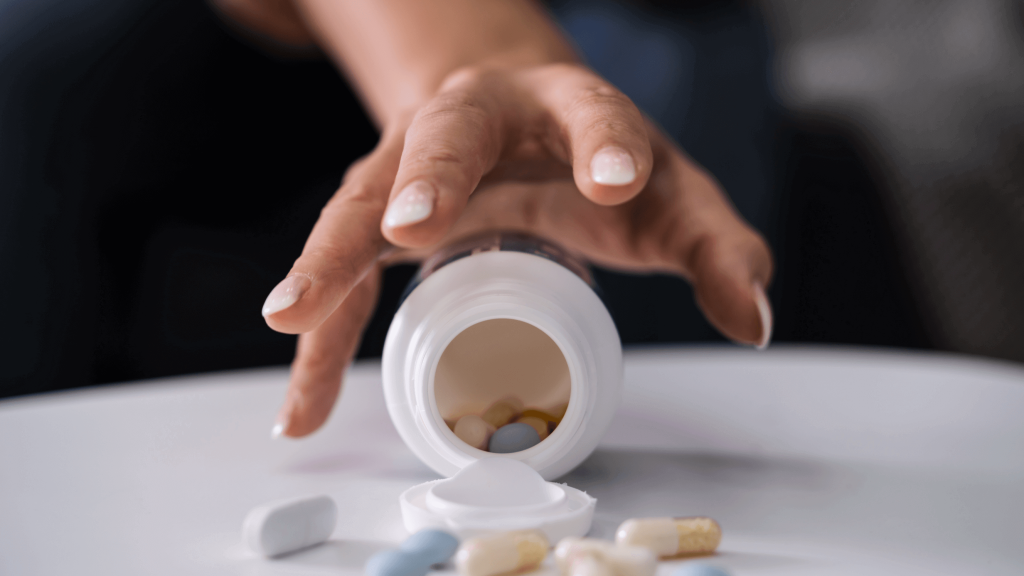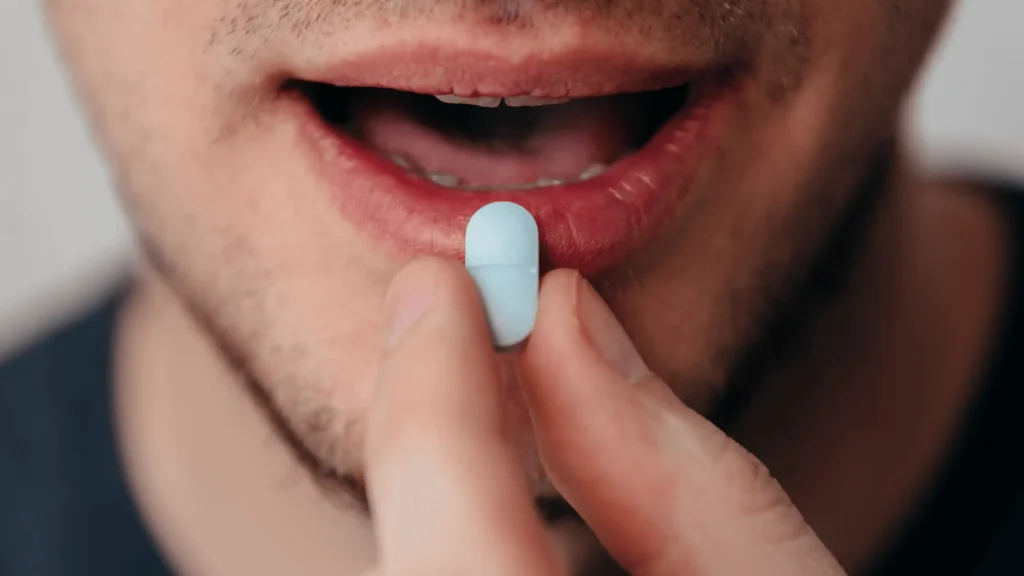
Suboxone works for many people in recovery because it reduces cravings, eases withdrawal symptoms, and helps stabilize brain chemistry without producing the same high as opioids. This makes it easier for individuals to focus on rebuilding their lives while lowering the risk of relapse. As part of a comprehensive treatment plan, suboxone has proven to be a highly effective tool in long-term opioid recovery
For individuals struggling with opioid addiction, finding a treatment that truly works can feel overwhelming. At Revival Recovery Center, many patients have experienced lasting change with suboxone, a medication designed to support recovery in a safe and manageable way. Whether you’re exploring treatment options for yourself or a loved one, understanding how suboxone works—and why it’s so effective—can provide clarity and hope.
Suboxone has become one of the most widely used medications in medication-assisted treatment (MAT), helping people regain control over their lives. It doesn’t just address the physical side of addiction—it creates the stability needed to engage in therapy, rebuild relationships, and move forward with confidence. In this blog, we’ll break down the key reasons behind suboxone’s success and how it supports sustainable recovery.
What Is Suboxone and How Does It Work in the Body?
Suboxone is a prescription medication commonly used in the treatment of opioid use disorder. It contains two active ingredients: buprenorphine and naloxone. Buprenorphine is a partial opioid agonist, which means it activates the same receptors in the brain as opioids—but to a much lesser degree. This helps reduce withdrawal symptoms and cravings without producing a strong euphoric effect. Naloxone, on the other hand, is included to prevent misuse by blocking opioid effects if the medication is taken improperly.
When taken as prescribed, suboxone works by stabilizing brain chemistry. It essentially “fills in” the need for opioids in a controlled and safer way. This allows individuals to function normally without the constant cycle of highs and withdrawals that come with opioid addiction. Over time, this stability creates a foundation for recovery.
One of the key advantages of suboxone is that it has a ceiling effect. This means that after a certain dose, taking more will not increase its effects significantly, reducing the risk of misuse. This safety feature makes suboxone a preferred option in many treatment settings.
Ultimately, suboxone doesn’t just treat symptoms—it gives people the space to begin healing physically and emotionally, which is essential for long-term recovery success.
Related: Benzodiazepine Addiction and Effective Treatment Plans
Why Is Suboxone Effective in Reducing Opioid Cravings?
Cravings are one of the biggest challenges in opioid recovery, often leading to relapse even after periods of abstinence. Suboxone addresses this issue directly by interacting with the brain’s opioid receptors in a controlled manner. Because it partially activates these receptors, it satisfies the brain’s need for opioids without delivering the same intense high.
This controlled activation helps reduce the intensity and frequency of cravings. Instead of constantly battling urges, individuals on suboxone can experience a sense of normalcy. This makes it significantly easier to focus on daily responsibilities, therapy, and rebuilding a healthy lifestyle.
Another reason suboxone is effective is its long-lasting action. A single dose can provide relief for up to 24 hours or more, which eliminates the need for frequent dosing and helps maintain consistent stability throughout the day. This consistency is critical for people in early recovery, when cravings tend to be the strongest.
Suboxone also helps normalize brain function over time. Chronic opioid use disrupts natural neurotransmitter balance, and suboxone helps restore that balance gradually. As the brain adjusts, cravings often decrease further.
By reducing cravings so effectively, suboxone allows individuals to shift their focus away from substance use and toward meaningful recovery goals.
Related: Breaking Free from Daily Medication: The Sublocade Alternative
How Does Suboxone Help Prevent Relapse During Recovery?
Relapse is a common part of opioid addiction, especially during the early stages of recovery. Suboxone plays a crucial role in relapse prevention by addressing both the physical and psychological triggers that often lead people back to opioid use.
One of the most important ways suboxone prevents relapse is by blocking the effects of other opioids. If someone attempts to use opioids while on suboxone, they are unlikely to feel the desired high. This reduces the incentive to use and can act as a powerful deterrent.
Additionally, suboxone minimizes withdrawal symptoms, which are often a major cause of relapse. When individuals no longer feel the intense discomfort associated with withdrawal, they are less likely to return to opioid use as a form of relief.
Suboxone also provides emotional stability. The constant cycle of craving, using, and withdrawing can create significant mental distress. By breaking this cycle, suboxone helps individuals feel more in control, reducing impulsive decisions that can lead to relapse.
Importantly, suboxone is most effective when combined with therapy and support services. Counseling, behavioral therapy, and peer support help address the underlying causes of addiction, while suboxone manages the physical dependence.
Together, these elements create a strong defense against relapse, giving individuals the tools and support they need to stay on track.
Related: How Proper Intervention Leads to Lasting Tobacco Cessation
Is Suboxone Safe for Long-Term Use?
Safety is a common concern for individuals considering medication-assisted treatment. Suboxone has been extensively studied and is widely considered safe for long-term use when taken as prescribed under medical supervision.
There are several reasons why suboxone is viewed as a safe option:
- It has a lower risk of overdose compared to full opioid agonists
- The ceiling effect limits the potential for misuse
- It produces milder side effects than many alternative treatments
- It can be taken at home, reducing the need for daily clinic visits
For many individuals, long-term use of suboxone is not only safe but beneficial. Addiction is a chronic condition, and like other chronic illnesses, it often requires ongoing management. Staying on suboxone for an extended period can help maintain stability and reduce the risk of relapse.
It’s important to note that treatment plans are individualized. Some people may use suboxone short-term, while others may benefit from longer use. Decisions about duration should always be made in collaboration with a qualified healthcare provider.
When used responsibly, suboxone provides a safe and effective path toward sustained recovery and improved quality of life.
Related: GAD and Substance Use: Finding Stability Through Dual Diagnosis Treatment
What Are the Benefits of Suboxone Compared to Other Treatments?
Suboxone stands out among opioid addiction treatments for several key reasons. While there are other medications available, such as methadone and naltrexone, suboxone offers a unique combination of effectiveness, safety, and accessibility.
One major advantage is flexibility. Unlike methadone, which often requires daily visits to a clinic, suboxone can be prescribed for at-home use. This allows individuals to maintain their normal routines, including work and family responsibilities.
Suboxone also has a lower risk profile. Its partial agonist properties reduce the likelihood of overdose and make it safer than full opioid medications. This makes it a strong option for individuals who want effective treatment with fewer risks.
Another benefit is its ability to quickly relieve withdrawal symptoms. This makes the transition into recovery smoother and less intimidating, encouraging more people to seek help.
Suboxone is also widely available, making it accessible to more individuals across different communities. Increased access means more people can begin treatment without long delays.
Overall, suboxone provides a balanced approach—offering both effectiveness and safety—making it one of the most trusted options in opioid recovery today.
Who Is a Good Candidate for Suboxone Treatment?
Suboxone is an effective treatment option for many individuals struggling with opioid addiction, but it may not be suitable for everyone. Determining whether someone is a good candidate involves evaluating their medical history, substance use patterns, and recovery goals.
Generally, suboxone is recommended for individuals who are dependent on opioids such as heroin, fentanyl, or prescription painkillers. It is particularly beneficial for those who have experienced withdrawal symptoms or repeated relapse attempts.
Good candidates for suboxone treatment often include:
- Individuals committed to recovery and willing to follow a treatment plan
- Those experiencing moderate to severe opioid dependence
- People who have a stable living environment or support system
- Individuals open to combining medication with therapy
It’s also important for candidates to be medically stable and able to take medication as directed. A healthcare provider will typically conduct an assessment before starting treatment to ensure safety and effectiveness.
Suboxone works best when it’s part of a comprehensive recovery program. This includes counseling, behavioral therapy, and ongoing support. When these elements are combined, individuals have a much higher chance of achieving lasting recovery.
Choosing the right treatment is a critical step, and for many, suboxone provides the structure and support needed to move forward successfully.
FAQ
How quickly does suboxone start working?
Suboxone typically begins working within 30 to 60 minutes after the first dose, helping to relieve withdrawal symptoms and reduce cravings quickly.
Where can I start Suboxone treatment near Highland, Michigan?
Revival Recovery Center in Highland, Michigan offers Suboxone treatment with personalized plans tailored to each patient’s needs.
Can you become addicted to suboxone?
Suboxone can cause physical dependence, but it is much safer than opioids and is used under medical supervision to support recovery, not fuel addiction.
Do you have to take suboxone forever?
Not necessarily. The length of treatment varies by individual, and many people work with their provider to gradually taper off when they are ready.
Is Suboxone covered by Medicaid?
In many cases, Medicaid covers Suboxone treatment, making it more accessible for individuals seeking recovery support.
If you or a loved one is ready to break free from opioid addiction, Revival Recovery Center is here to help. Located in Highland, Michigan, the center offers compassionate, personalized care designed to support long-term recovery with proven treatments like suboxone.
Patients also have access to virtual appointments in Brighton, Michigan, making it easier than ever to receive expert care from the comfort of home. Under the guidance of experienced professionals—including Lisa Perna, a board-certified nurse practitioner specializing in addiction medicine and behavioral health—you can begin your recovery journey with confidence.
Reach out to Revival Recovery Center today to learn how suboxone treatment can help you or someone you care about reclaim a healthier, more stable future.