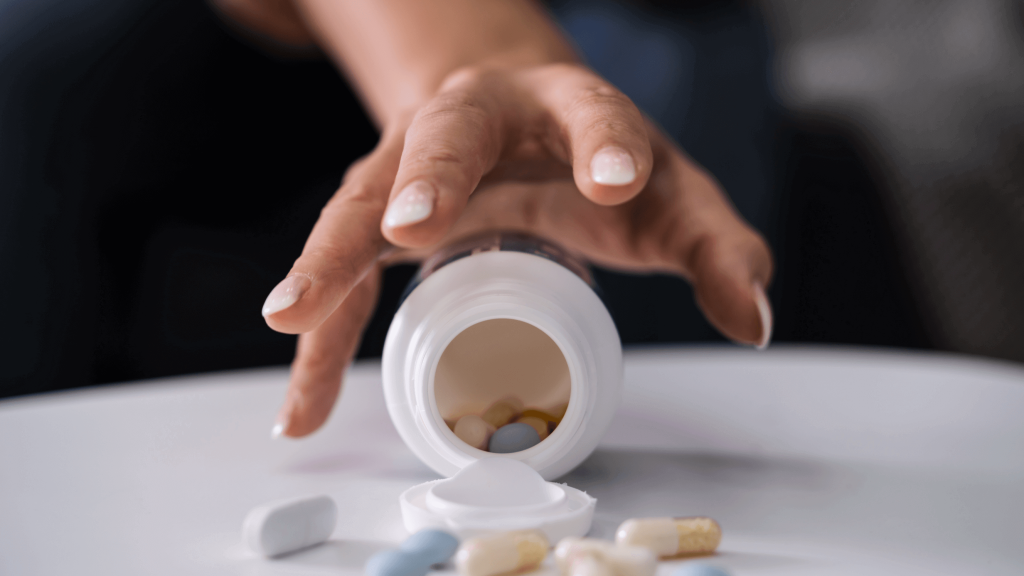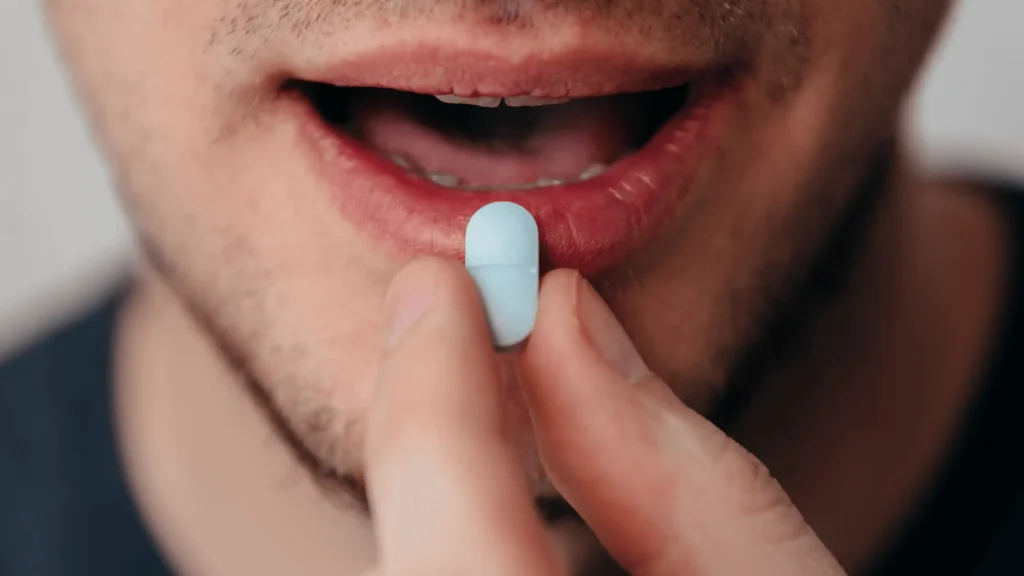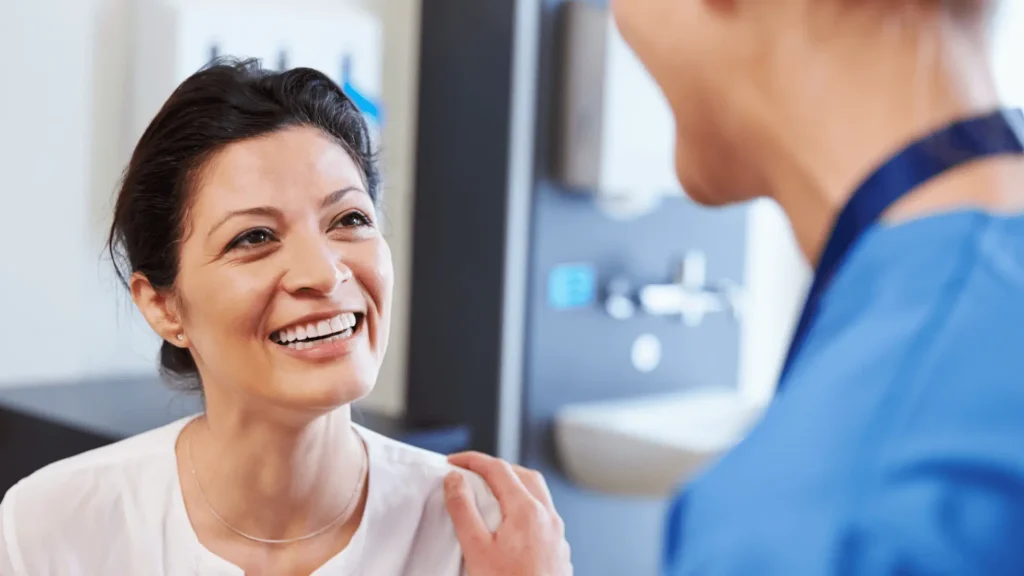
GAD and substance use frequently occur together, creating a cycle where anxiety fuels substance misuse and substances worsen anxiety symptoms. Effective recovery requires integrated, dual diagnosis treatment that addresses both conditions at the same time. With the right clinical support, individuals can achieve stability, reduce anxiety, and build a sustainable path to long-term recovery.
Generalized Anxiety Disorder (GAD) can be overwhelming, persistent, and exhausting. When someone living with chronic anxiety turns to alcohol or drugs for relief, the result is often a complex and deeply intertwined struggle. GAD and substance use commonly co-occur, and treating one without addressing the other can make lasting recovery difficult.
At Revival Recovery Center, understanding the connection between anxiety and addiction is essential to delivering effective care. Whether someone is seeking help for themselves or a loved one, recognizing how these conditions interact is the first step toward meaningful healing. This article explores how GAD and substance use are connected, why dual diagnosis treatment matters, and what stability can look like in recovery.
What Is the Connection Between GAD and Substance Use?
GAD and substance use are closely linked because both involve attempts to regulate distress. Generalized Anxiety Disorder is characterized by excessive, persistent worry about everyday life events. People with GAD often experience physical symptoms such as muscle tension, restlessness, irritability, sleep disturbances, and difficulty concentrating.
When anxiety feels unmanageable, substances may appear to offer temporary relief. Alcohol can slow the nervous system. Benzodiazepines may calm acute panic. Opioids and cannabis can create feelings of relaxation or emotional escape. Over time, however, these coping strategies evolve into dependency.
Research consistently shows that anxiety disorders and substance use disorders frequently co-occur. This is not a coincidence. Anxiety can increase vulnerability to addiction, and substance misuse can intensify or even trigger anxiety symptoms. The two conditions reinforce each other, creating a cycle that becomes difficult to break without professional help.
In clinical settings, this is known as a co-occurring disorder or dual diagnosis. Treating GAD and substance use together is essential because addressing only one side of the equation leaves the underlying drivers of relapse unresolved. True stability comes from recognizing how deeply interconnected these conditions are and building a treatment plan that supports both mental health and sobriety simultaneously.
Related: How Suboxone Works to Combat Opioid Addiction
Why Do People with GAD Turn to Alcohol or Drugs?
Many individuals with GAD turn to substances as a form of self-medication. Chronic worry can be mentally exhausting and physically uncomfortable. Substances may feel like an immediate solution to reduce tension or quiet racing thoughts.
Common reasons people with GAD use substances include:
- To temporarily reduce intense worry or panic
- To improve sleep disrupted by anxiety
- To feel more comfortable in social situations
- To escape intrusive thoughts
- To manage physical symptoms like muscle tension or restlessness
While these effects may seem helpful at first, they are short-lived. The brain quickly adapts to the presence of substances, leading to tolerance and increased use. What begins as occasional relief can evolve into dependency.
The challenge is that substances do not address the root causes of anxiety. Instead, they interfere with the brain’s natural regulation systems. When the substance wears off, anxiety often returns more intensely. This rebound effect can make individuals feel trapped, reinforcing continued use.
Understanding the motivations behind substance use is critical in dual diagnosis treatment. Rather than judging the behavior, clinicians focus on teaching healthier coping strategies, emotional regulation skills, and long-term anxiety management tools. By addressing the underlying GAD and substance use together, individuals can develop sustainable ways to manage distress without relying on harmful patterns.
Related: Understanding Depression in Adolescents: Early Warning Signs Parents Shouldn’t Miss
How Does Substance Use Make Anxiety Worse Over Time?
Although substances may initially reduce symptoms, they ultimately disrupt the brain’s chemistry and stress response system. This disruption makes anxiety more frequent and more severe.
Alcohol, for example, affects neurotransmitters like GABA and glutamate, which regulate calmness and excitability. After repeated use, the brain becomes less able to maintain balance on its own. When alcohol is absent, heightened anxiety, irritability, and restlessness often occur. This is particularly common during withdrawal.
Stimulants such as cocaine or methamphetamine increase heart rate and nervous system activation, which can mimic or intensify anxiety symptoms. Even cannabis, which some people use to relax, can contribute to increased anxiety, paranoia, or panic in certain individuals.
Over time, GAD and substance use create a feedback loop. Anxiety leads to substance use. Substance use alters brain chemistry. Withdrawal or aftereffects intensify anxiety. The individual then uses substances again to relieve worsening symptoms.
Breaking this cycle requires medical and psychological support. Detoxification may be necessary in some cases to safely manage withdrawal symptoms. At the same time, therapy must address anxiety triggers, thought patterns, and emotional regulation. Without comprehensive treatment, individuals may struggle to distinguish between anxiety symptoms and substance-related effects, complicating recovery efforts.
Related: Sublocade Treatment at Revival Recovery Center: A Modern MAT Option
What Is Dual Diagnosis Treatment and Why Is It Essential?
Dual diagnosis treatment is a comprehensive approach designed to treat co-occurring mental health and substance use disorders at the same time. When GAD and substance use are present together, integrated care is not optional—it is essential for long-term success.
Treating only substance use may lead to short-term sobriety, but untreated anxiety often drives relapse. Conversely, focusing solely on anxiety without addressing addiction leaves harmful behaviors intact. Dual diagnosis treatment recognizes that both conditions influence each other and must be treated in a coordinated way.
Effective dual diagnosis treatment typically includes:
- Comprehensive clinical assessment
- Medical supervision when detox is needed
- Individual therapy focused on anxiety and addiction
- Group therapy for peer support
- Medication management when appropriate
- Skills training for stress and emotional regulation
The goal is not just abstinence but stability. This means helping individuals understand their anxiety triggers, identify substance-related patterns, and develop practical tools to manage daily stressors.
At a recovery center setting, integrated care teams collaborate to ensure that mental health and addiction professionals work together rather than separately. This coordinated model improves outcomes and reduces the risk of relapse. For individuals struggling with GAD and substance use, dual diagnosis treatment provides a structured path toward balance and sustainable recovery.
Related: How to Support a Loved One with Panic Disorder
What Therapies Are Most Effective for Treating GAD and Substance Use Together?
Evidence-based therapies form the foundation of effective dual diagnosis treatment. For individuals facing GAD and substance use, certain approaches are particularly beneficial because they address both anxiety symptoms and addictive behaviors.
Cognitive Behavioral Therapy (CBT) is one of the most widely used and effective treatments. CBT helps individuals identify distorted thinking patterns that fuel anxiety and substance cravings. By challenging catastrophic thoughts and replacing them with realistic alternatives, individuals learn to reduce anxiety without relying on substances.
Dialectical Behavior Therapy (DBT) is also valuable, especially for those who struggle with emotional regulation. DBT teaches distress tolerance, mindfulness, and interpersonal effectiveness skills. These tools are especially helpful during moments of high anxiety when relapse risk may increase.
Medication management may play a role as well. Non-addictive medications can help regulate anxiety symptoms while individuals work through therapy. Clinical oversight ensures medications support recovery rather than complicate it.
In addition, trauma-informed therapy may be necessary if past experiences contribute to chronic anxiety. Many individuals with GAD and substance use have unresolved emotional wounds that influence both conditions.
Effective treatment is individualized. There is no single therapy that works for everyone. A structured, clinically supervised program allows treatment plans to evolve based on progress, ensuring that both anxiety management and sobriety remain central to recovery.
What Does Long-Term Stability Look Like After Dual Diagnosis Treatment?
Long-term stability after treatment for GAD and substance use is not about eliminating anxiety entirely. Instead, it is about developing resilience, coping skills, and a support system that prevents anxiety from leading back to substance misuse.
Stability often includes consistent therapy or aftercare participation, especially in early recovery. Continued skill practice helps reinforce emotional regulation techniques learned during treatment. Many individuals benefit from structured routines, healthy sleep habits, and regular exercise, which all support nervous system balance.
Recovery also involves recognizing early warning signs. Increased worry, disrupted sleep, or heightened irritability may signal the need for additional support. Learning to address these signs early reduces relapse risk.
Importantly, stability includes self-awareness. Individuals begin to understand their triggers and respond intentionally rather than reactively. Over time, confidence grows as they experience anxiety without turning to substances for relief.
Support networks play a critical role. Peer groups, family involvement, and alumni programs can provide accountability and encouragement. Long-term recovery from GAD and substance use is achievable when treatment extends beyond detox and addresses the full scope of emotional and behavioral health.
FAQ: GAD and Substance Use
1. Can anxiety cause addiction?
Anxiety does not automatically cause addiction, but it significantly increases the risk. Many people use substances to cope with chronic worry, which can lead to dependency over time.
2. Should anxiety be treated before addiction?
Both conditions should be treated at the same time through dual diagnosis care. Addressing only one increases the risk of relapse and unresolved symptoms.
3. Is recovery possible if I have both GAD and a substance use disorder?
Yes. With integrated treatment, ongoing support, and effective coping strategies, long-term stability and recovery are absolutely possible.
4. Does Medicaid cover dual diagnosis treatment for anxiety and substance use?
In many cases, yes. Medicaid often covers integrated treatment for co-occurring conditions like Generalized Anxiety Disorder and substance use disorder. Coverage may vary, and Revival Recovery Center assists patients with insurance verification and next steps.
5. Can GAD and substance use treatment be provided through telehealth?
Certain aspects of dual diagnosis care, including therapy and medication management, may be supported through secure telehealth appointments depending on clinical needs. A professional assessment determines the safest and most appropriate treatment structure.
6. Where can I receive dual diagnosis treatment for GAD and substance use?
Integrated treatment services are provided at Revival Recovery Center in Highland, Michigan. Care plans are personalized to address both anxiety symptoms and substance use patterns in a coordinated, structured setting.
You don’t have to navigate GAD and substance use alone. At Revival Recovery Center, we provide integrated, personalized treatment to help you regain control and find lasting balance. Located in Highland, Michigan, we proudly serve individuals and families throughout the community, with additional Virtual Appointments in Brighton, Michigan for flexible access to care.
Lisa Perna is a board-certified nurse practitioner specializing in addiction medicine and behavioral health, bringing clinical expertise and compassionate support to every stage of recovery. Reach out to Revival Recovery Center today to take the first step toward healing.