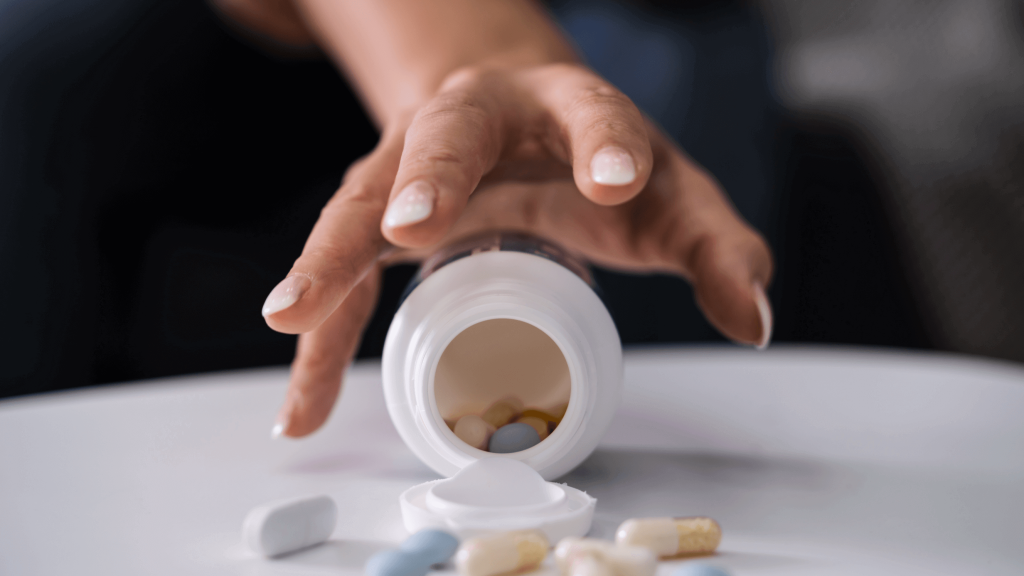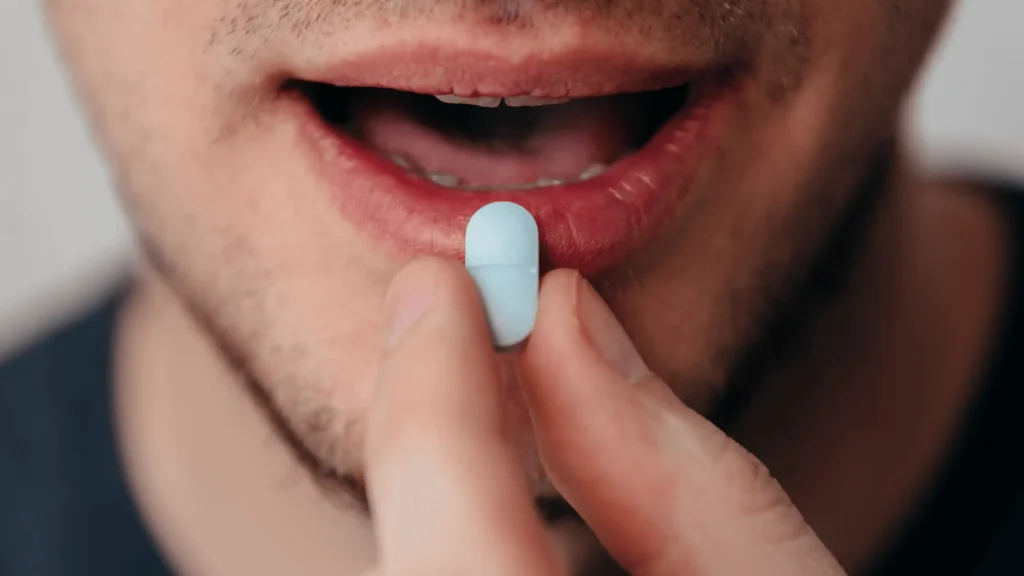
Recovery from addiction is a challenging yet transformative journey, where the right support can make all the difference. Medication-Assisted Treatment (MAT) is a proven approach that combines the effectiveness of FDA-approved medications with counseling and behavioral therapies. This integrated method helps address the complex nature of addiction by easing withdrawal symptoms, reducing cravings, and lowering the risk of relapse.
When paired with a personalized treatment plan, MAT provides a solid foundation for lasting recovery, offering individuals the stability they need to rebuild their lives with confidence. Understanding the role of MAT can empower you to make informed decisions about your recovery pathway and achieve enduring success.
Understanding Medication-Assisted Treatment (MAT): What It Is and How It Works
Medication-Assisted Treatment (MAT) is an evidence-based, whole-patient approach designed to treat substance use disorders, particularly opioid addiction. By combining FDA-approved medications with counseling and behavioral therapies, MAT offers a comprehensive strategy to help individuals in recovery rebuild their lives. This dual approach addresses both the physical and psychological aspects of addiction.
The medications used in MAT, such as methadone, buprenorphine, and naltrexone, play key roles in treatment. Methadone, a long-acting opioid agonist, helps prevent withdrawal symptoms and reduces cravings while blocking the effects of other opioids. Buprenorphine works as a partial agonist, minimizing cravings without causing euphoria, and is often used in combination with naloxone to deter misuse. Naltrexone, an opioid antagonist, prevents the euphoric effects of opioids and reduces the risk of relapse.
MAT doesn’t just treat symptoms—it helps normalize brain chemistry and supports emotional stability, enabling individuals to engage more effectively in therapy and other recovery activities. The behavioral therapy component tackles the root causes of addiction, addressing underlying mental health challenges and promoting lasting change. With its proven ability to decrease withdrawal symptoms, reduce cravings, and prevent relapse, MAT provides a vital lifeline for individuals striving for a sustained recovery.
Related: Insomnia and Anxiety Relief During Addiction Recovery
Types of Medications Used in MAT and Their Roles
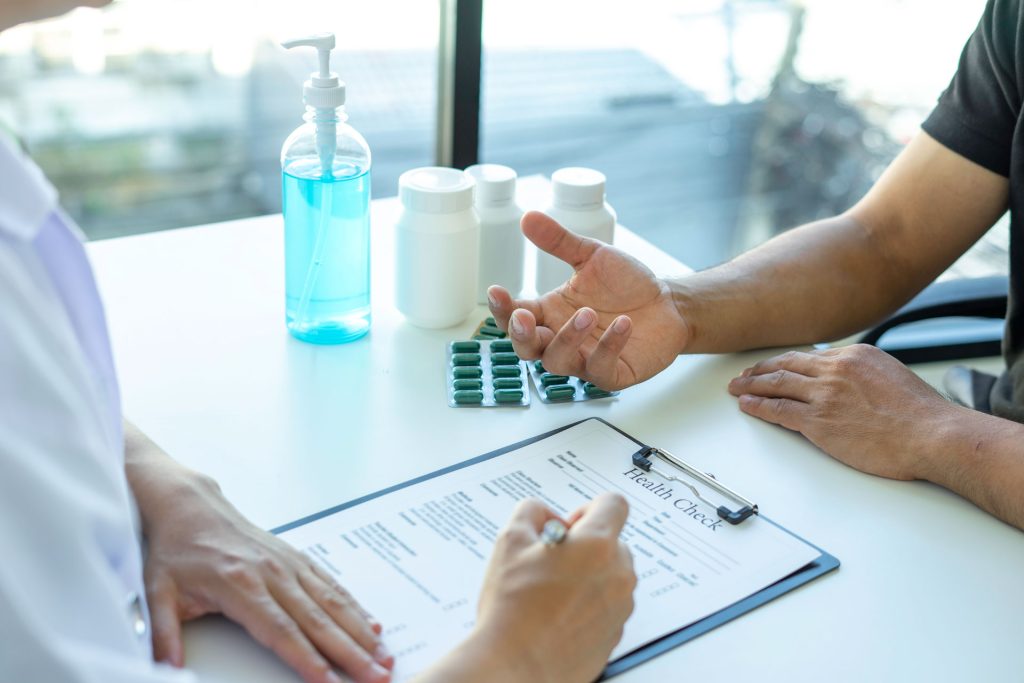
Medication-Assisted Treatment (MAT) uses FDA-approved medications to aid recovery by managing cravings, alleviating withdrawal symptoms, and reducing the risk of relapse. Here are the primary medications used and their roles in treatment:
- Methadone
- A long-acting, full opioid agonist that helps prevent withdrawal symptoms and reduces cravings.
- It attaches to the same brain receptors as opioids but does not cause extreme highs or lows.
- Methadone also blocks the euphoric effects of other opioids, discouraging relapse. It’s effective for severe opioid use disorders and requires administration through regulated Opioid Treatment Programs (OTPs).
- Buprenorphine
- A partial opioid agonist that activates opioid receptors to a lesser extent, minimizing cravings and withdrawal symptoms without producing euphoria.
- Often combined with naloxone (e.g., Suboxone), it deters misuse. Suitable for less severe cases, buprenorphine is available in forms like tablets, films, or extended-release injections.
- Naltrexone
- An opioid antagonist that blocks opioid receptors, preventing the euphoric and sedative effects of opioids.
- Effective after full detoxification, it comes in an extended-release injectable form, offering long-lasting benefits for individuals at a high risk of relapse.
These medications, paired with behavioral therapies, form the foundation of an effective MAT program, helping individuals pave the way to recovery.
Related: Journey to Recovery: Overcoming Alcohol Addiction With Tailored Plans
How MAT Reduces Withdrawal Symptoms and Cravings
Medication-Assisted Treatment (MAT) is an effective approach for managing the discomfort of withdrawal and cravings. Here’s how it works and its benefits for recovery:
- Eases Physical Withdrawal Symptoms
- Medications like methadone and buprenorphine target receptors in the brain disrupted by opioid use, stabilizing the body during withdrawal.
- These medications reduce symptoms such as nausea, muscle aches, and restlessness, helping patients focus on recovery instead of their discomfort.
- Reduces Cravings
- MAT medications help suppress the intense desire to use substances. For example, naltrexone blocks the euphoric effects of drugs, minimizing their appeal.
- By reducing cravings, individuals can concentrate on therapy and lifestyle changes, laying a foundation for lasting recovery.
- Improves Psychological Stability
- Stabilizing withdrawal symptoms lowers anxiety and emotional stress, enabling engagement in counseling and behavioral therapies.
- This dual support fosters a sense of control and hope, both crucial for successful recovery.
- Supports Long-Term Recovery
- MAT improves treatment retention by making the recovery process more manageable.
- Individuals using MAT are more likely to complete treatment programs and maintain long-term sobriety, reducing the risk of relapse.
By effectively tackling withdrawal and cravings, MAT bridges the gap between detox and sustainable recovery, empowering individuals to reclaim their lives.
Related: The Role of Spirituality in Rebuilding Life After Addiction
Preventing Relapse with Medication-Assisted Treatment
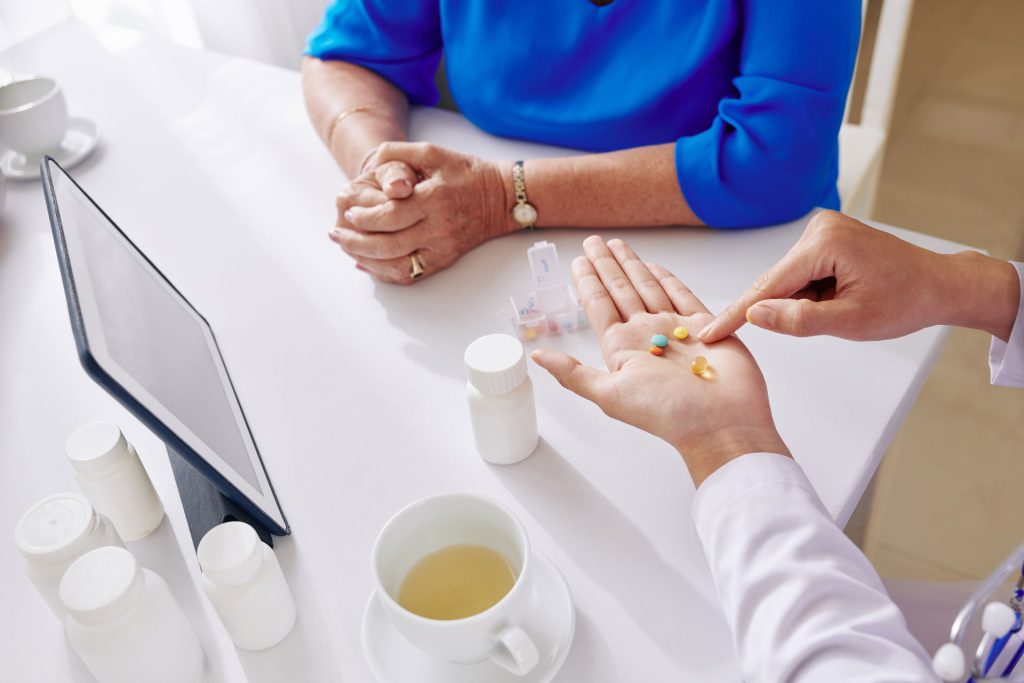
Medication-Assisted Treatment (MAT) plays a key role in relapse prevention by addressing the biological, psychological, and behavioral challenges involved in addiction recovery. Here’s how it helps:
- Maintains Sobriety
- Medications like methadone and buprenorphine stabilize brain chemistry, reducing the urgency of cravings and helping individuals sustain sobriety.
- These medications diminish the physical and emotional stress that often leads to relapse, creating a sense of stability essential for recovery.
- Reduces Cravings
- Buprenorphine interacts with opioid receptors to reduce cravings without causing euphoria, helping individuals manage triggers and avoid temptation.
- Naltrexone blocks the effects of opioids, making them less appealing and aiding in long-term abstinence.
- Supports Long-Term Recovery
- Methadone, often referred to as the gold standard of MAT, prevents withdrawal symptoms and encourages continuous engagement with treatment programs.
- Naltrexone’s extended-release form ensures lasting effects, reducing the need for frequent dosing and improving adherence.
- Encourages Counseling and Behavioral Therapy Participation
- By mitigating the physical challenges of addiction, MAT enables individuals to focus on addressing the root causes of addiction in therapy.
- This comprehensive approach ensures both immediate relief and the development of skills for long-term sobriety.
With its ability to curb cravings, stabilize emotions, and foster therapy engagement, MAT provides an effective safety net for individuals committed to overcoming addiction permanently.
Related: Effective Strategies for Managing Opioid Use Disorders in Teens
Dispelling Myths and Misconceptions About MAT
Medication-Assisted Treatment (MAT) is a proven method for supporting recovery, but it is often misunderstood. Here are some common myths about MAT and the facts to debunk them:
- Myth: MAT is just substituting one addiction for another
- Fact: Medications like methadone and buprenorphine stabilize brain chemistry without creating a high. This allows individuals to focus on recovery without the cycle of abuse. MAT is medically supervised and eliminates the compulsive drug-seeking behaviors characteristic of addiction.
- Myth: MAT is only for severe cases
- Fact: MAT is effective for all levels of opioid use disorders, from mild to severe. Addiction affects the brain similarly regardless of the substance or dosage. Individuals in early stages of addiction can benefit from MAT just as much as those with long-term use histories.
- Myth: MAT increases the risk of overdose
- Fact: MAT significantly reduces overdose risk. For example, methadone and buprenorphine stabilize withdrawal and reduce illicit drug use, which is often the cause of fatal overdoses. Research shows MAT participants are far less likely to die from overdose compared to those not in treatment.
By addressing these misconceptions, individuals can feel empowered to seek the life-changing treatment MAT offers in their recovery journey.
Is MAT Right for You? Key Factors to Consider
Medication-Assisted Treatment (MAT) is a powerful tool for overcoming addiction, but it’s important to determine if it aligns with your unique needs and circumstances. Here are five key factors to consider:
- Level of Addiction
MAT is effective for various addiction levels, from mild to severe. If withdrawal or cravings disrupt your daily life, MAT can help by stabilizing brain chemistry. - Readiness for Recovery
A willingness to engage in both medication and therapy is critical. MAT works best when combined with counseling and lifestyle changes to address the root causes of addiction. - Health and Medical History
Conditions like liver or kidney issues may influence which MAT option is appropriate. Consultation with an expert like Lisa Perna, a board-certified nurse practitioner specializing in addiction medicine and behavioral health, is essential. - Support System
Access to support groups, family, and experts ensures you stay on track. Revival Recovery Center in Highland, Michigan, offers comprehensive, compassionate care to guide your recovery. - Long-term Commitment
MAT isn’t a quick fix. Success often requires ongoing therapy, monitoring, and medication adjustments over time.
If you’re ready to explore how MAT could fit into your recovery plan, reach out to Revival Recovery Center in Highland, Michigan, for personalized guidance.