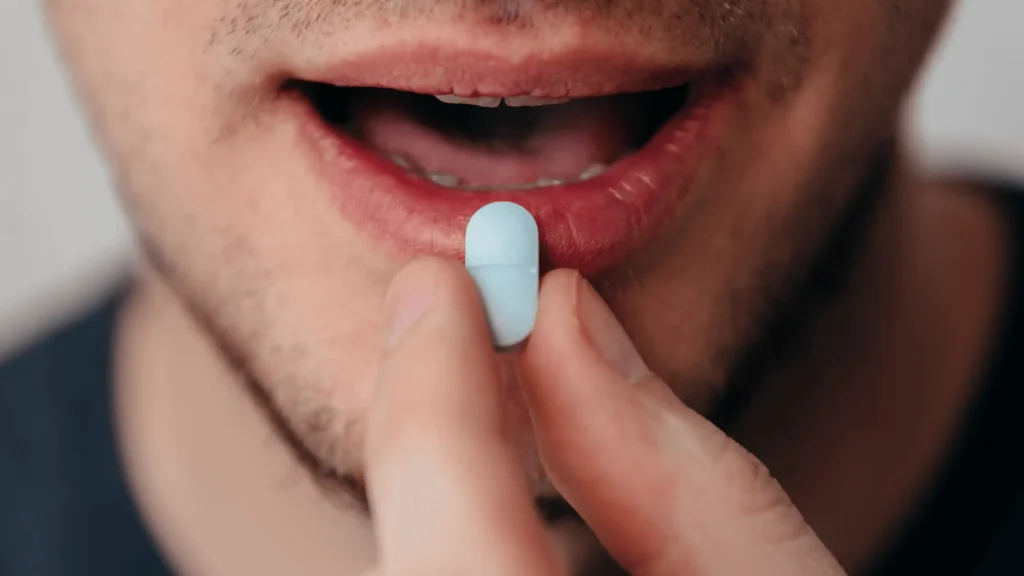
Teen opioid use is a growing concern that can leave parents feeling overwhelmed and unsure of how to help. Understanding the scope of the issue is the first step toward making an impact. Opioid use disorders in teens not only affect their physical health but also disrupt their emotional well-being, education, and relationships.
Recognizing the warning signs early and taking proactive, informed steps can make a critical difference. With the right knowledge and resources, parents can play a vital role in guiding their teens toward recovery and a healthier future.
Understanding Opioid Use Disorders in Teens
Recognizing the complexity of opioid use disorders (OUD) in teens is critical for addressing this troubling issue. Among adolescents aged 12–17, recent research reveals a significant prevalence of opioid misuse, with 2.8% reporting use in the past year. Common reasons for this behavior include pain relief, peer influence, and a belief that prescription medication is safer than illicit drugs. Accessibility via family medicine cabinets or social networks further exacerbates the problem.
The impact of opioid misuse on teens extends beyond immediate physical health risks. It disrupts brain development, exacerbates mental health conditions like anxiety and depression, and increases the likelihood of risky behaviors, such as unsafe driving or academic failure. Over time, untreated opioid misuse may escalate into substance use disorders and dependency, with lasting consequences on their future.
Importantly, early recognition of OUD can dramatically improve outcomes. Parents should watch for emotional changes, such as increased irritability or withdrawal, as well as physical signs like drowsiness or neglect of personal hygiene. Academic struggles or shifts in peer groups can also signal concerning behavior.
Intervention during adolescence—a phase marked by emotional development—can halt the progression of substance misuse. Honest conversations emphasizing trust and empathy, coupled with timely professional intervention, are key. By staying informed and proactive, parents can foster an environment where teens feel safe to discuss their challenges, opening the door to recovery and a healthier tomorrow. Early action provides the foundation for long-term prevention.
Related: A Closer Look at Benzodiazepines and the Risks of Long-Term Use
Recognizing the Warning Signs of Opioid Use

Understanding the warning signs of opioid use in teens is crucial for early detection and effective intervention. Physical symptoms are often the most noticeable first indicators. Teens might exhibit small, constricted pupils, decreased respiratory rates, unexplained drowsiness, or lethargy. Other physical changes might include noticeable weight loss or gain, intense flu-like symptoms such as nausea or sweating, and signs of neglecting personal hygiene. A sudden preference for wearing long sleeves, even in hot weather, could also suggest an effort to hide needle marks or other physical evidence of misuse.
Behavioral shifts often accompany these physical symptoms. Parents may notice their teen becoming more secretive, isolated, or withdrawn from family activities. A sudden change in friends, loss of interest in favorite hobbies, or dropping grades can all be warning flags. Teens suffering from opioid misuse may also show erratic moods—alternating between irritability and giddiness—or unusual sleeping patterns. Missing medications, burnt or missing spoons, or small bags with powder residue are advanced signs pointing directly to opioid misuse.
Recognizing these signs early can significantly impact a teen’s pathway to recovery. Parents are encouraged to observe and document any ongoing changes in their teen’s behavior, emotional state, or physical health and seek professional guidance if concerns arise. Open, non-judgmental communication and immediate action can lay the groundwork for addressing the issue constructively and fostering support their teen needs to heal and grow.
Related: 10 Steps to Marijuana Cessation and Building a Sober Lifestyle
The Impact of Opioid Use on Teens’ Health and Well-Being
Opioid use has far-reaching consequences on the health and well-being of teens, affecting their physical, mental, and social development. Physically, frequent opioid use can lead to drowsiness, nausea, constipation, and in severe cases, respiratory depression, which can be life-threatening. These substances alter brain chemistry, impairing a teen’s ability to think clearly, develop healthy coping mechanisms, and make sound decisions over time. Prolonged use can also inhibit brain development, which continues into the mid-20s, potentially causing long-term cognitive and behavioral issues.
On a mental health level, opioid misuse is closely linked to anxiety, depression, and mood instability. Many teens turn to opioids as an escape from emotional pain, but these drugs often worsen underlying mental health conditions. Emotional instability caused by dependency can trigger a vicious cycle of misuse and emotional withdrawal.
Socially, opioid dependency can isolate teens from their family, friends, and support systems. Misuse often leads to dropping grades, disregard for responsibilities, and disengagement from hobbies or activities that once brought them joy. Relationships may suffer as teens exhibit distrustful or erratic behavior, and the stigma attached to opioid use can further alienate them.
Parents who recognize these impacts can play a vital role in early intervention. Understanding the physical and emotional toll of opioid misuse fosters empathy and helps guide proactive conversations and support. Seeking timely professional help can prevent long-term damage, paving the way for recovery and a more stable future for affected teens.
Related: Suboxone Medication-Assisted Treatment for Opioid Dependence
How to Approach Your Teen About Opioid Use Concerns

Starting a conversation with your teen about opioid use can feel challenging, but it’s a critical step toward prevention and intervention. Building trust and fostering open dialogue are key to ensuring your teen feels safe discussing this sensitive topic with you. Here are some strategies to help guide these conversations effectively:
- Choose the Right Time and Place
Pick a calm, informal setting where you both feel comfortable, such as during a shared activity or a quiet evening at home. Avoid starting the conversation in stressful or rushed situations. - Be an Active Listener
Show genuine interest in your teen’s thoughts and feelings. Avoid interrupting or judging their responses. This encourages honesty and demonstrates your support. - Use Clear and Open Communication
- Express your concerns in a non-accusatory manner. For example, say, “I’ve noticed some changes in your behavior, and I want to make sure you’re okay.”
- Clearly outline your expectations regarding drug use and the consequences if they are not met.
- Educate on Risks
Share factual, age-appropriate information about the dangers of opioid use. Discuss how it affects the brain, health, and future opportunities.
Example response strategies can help teens handle peer pressure, such as saying, “I’m not into that right now” or using a prearranged text code to leave risky situations. - Follow Up with Support
Keep the dialogue ongoing. Regular check-ins help reinforce your concerns and show you’re always available to help.
By approaching the conversation thoughtfully and empathetically, you equip your teen with the knowledge and confidence to make informed decisions.
Related: Effective Nicotine Cessation Strategies to Reclaim Your Health
Preventing Relapse and Promoting Long-Term Wellness
Preventing relapse and supporting long-term wellness in teens recovering from opioid use disorder requires a proactive, multi-faceted approach. Building resilience and equipping teens with the right tools can significantly improve their recovery outcomes. Below are strategies for parents to help their teens maintain sobriety and lead healthier lives:
- Identify and Manage Triggers
- Work with your teen to identify situations, people, or emotions that may tempt them to use opioids again.
- Encourage mindfulness techniques like journaling or meditation to help them process emotions without resorting to substances.
- Set Realistic Goals
- Help your teen establish short-term and long-term goals that provide purpose and motivation.
- Celebrate milestones, no matter how small, to build their confidence in maintaining sobriety.
- Engage in Continued Treatment
- Encourage attendance at ongoing therapy sessions, including cognitive behavioral therapy (CBT) or group counseling.
- Consistent therapy reinforces recovery habits and provides a safe space to discuss challenges.
- Build a Strong Support Network
- Surround your teen with encouraging family members, friends, and mentors.
- Consider enrolling them in peer support groups where they can connect with others facing similar struggles.
- Promote Healthy Lifestyles
- Advocate for regular exercise, balanced nutrition, and adequate sleep to enhance physical and mental health.
- Encourage hobbies or activities that boost self-esteem and provide a positive outlet for stress.
By actively supporting your teen’s recovery plan, including addressing triggers, supporting therapy, and promoting healthy routines, you can set the foundation for long-term wellness. These habits help empower teens to resist relapse and lead a balanced, opioid-free life.
Seeking Professional Help and Treatment Options
When addressing opioid use disorders in teens, seeking professional help early can make a profound difference in their recovery. Numerous evidence-based treatment options are available to provide tailored support. Here’s what parents should consider when exploring treatment pathways:
- Medications for Opioid Use Disorder (MOUD)
MOUD, including buprenorphine and naltrexone, are highly effective in reducing cravings and preventing relapse. These medications, prescribed by qualified healthcare professionals, are considered the gold standard for care and are particularly beneficial for teens. - Behavioral Therapy and Counseling
Pairing MOUD with behavioral therapies, such as cognitive behavioral therapy (CBT) or motivational interviewing, helps teens address the root causes of addiction and build healthier coping mechanisms. - Family-Based Interventions
Engaging the entire family in therapy can create a supportive home environment conducive to recovery. Programs involving family support strengthen communication and foster understanding. - Youth-Specific Treatment Centers
Facilities like the Revival Recovery Center in Highland, Michigan specialize in treating adolescents and young adults, offering low-barrier, tailored care to meet their unique developmental needs. - Consulting Experts
Reach out to professionals with advanced knowledge in addiction medicine. Lisa Perna, a board-certified nurse practitioner specializing in addiction medicine and behavioral health, is an example of a dedicated expert who can guide families through this challenging time.
Acting quickly and seeking expert help is crucial. Start by connecting with local resources like the Revival Recovery Center for compassionate, effective treatment. By taking this step, you can ensure your teen is supported with the tools they need to reclaim their health and future.