A sublocade alternative refers to other effective medication-assisted treatment (MAT) options for opioid use disorder that do not require a monthly injection. These alternatives may include daily or long-acting forms of buprenorphine, naltrexone, or structured taper programs depending on a person’s clinical needs. For individuals seeking flexibility, different dosing schedules, or a more personalized recovery plan, several evidence-based options are available.
For individuals struggling with opioid dependence, long-term medication can feel like both a lifeline and a limitation. While Sublocade offers a once-monthly injectable form of buprenorphine, many people begin exploring a sublocade alternative that better fits their lifestyle, medical history, or recovery goals. At Revival Recovery Center, understanding your options is a critical part of building a treatment plan that supports long-term healing.
Medication-assisted treatment (MAT) has transformed opioid recovery by reducing cravings, stabilizing brain chemistry, and lowering relapse risk. However, no single medication is right for everyone. Whether you’re looking for more flexibility, fewer side effects, or a different level of medical oversight, exploring alternatives can empower you to take control of your recovery journey with confidence.
What Is Sublocade and How Does It Work?
Sublocade is a long-acting injectable form of buprenorphine designed to treat opioid use disorder. It is administered once per month by a healthcare provider and releases medication steadily into the bloodstream over several weeks. Buprenorphine works as a partial opioid agonist, meaning it activates opioid receptors just enough to reduce cravings and withdrawal symptoms without producing the same euphoric effects as full opioids.
One of the main benefits of Sublocade is consistency. Because it is administered monthly, patients do not need to remember a daily dose. It also reduces the risk of misuse since the medication is delivered through an injection rather than a take-home prescription. For many people, this structured approach provides stability during early recovery.
However, not everyone finds this method ideal. Some individuals prefer having more control over their dosing schedule, while others may experience side effects or discomfort from the injection itself. Cost and insurance coverage can also play a role. For these reasons, exploring a sublocade alternative can be an important step in finding a treatment plan that feels sustainable and supportive long term.
Related: How Proper Intervention Leads to Lasting Tobacco Cessation
Why Would Someone Consider a Sublocade Alternative?
While Sublocade is effective, recovery is deeply personal. A medication that works well for one individual may not align with another person’s physical health, lifestyle, or recovery philosophy. Seeking a sublocade alternative is often about customization rather than dissatisfaction.
Some individuals prefer daily medication because it gives them a sense of routine and control. Others may have medical conditions that make injectable treatments less appealing. Financial considerations can also influence the decision, especially if insurance coverage changes or co-pays become burdensome.
There are also clinical reasons for switching. A patient may experience breakthrough cravings, injection-site reactions, or mood-related side effects. In these cases, healthcare providers may recommend adjusting the treatment plan. Transitioning to another medication or therapeutic approach can help maintain stability without disrupting progress.
Most importantly, considering a sublocade alternative does not mean recovery is failing. It reflects engagement in treatment and a willingness to advocate for individualized care. When guided by experienced medical professionals, switching approaches can be a strategic move toward long-term recovery success.
Related: GAD and Substance Use: Finding Stability Through Dual Diagnosis Treatment
What Medications Are Considered a Sublocade Alternative?
Several evidence-based medications can serve as a sublocade alternative, depending on clinical needs and recovery goals. These options vary in how they are administered and how they affect the brain.
Common alternatives include:
- Suboxone (buprenorphine/naloxone): A daily sublingual film or tablet that reduces cravings and withdrawal symptoms.
- Brixadi: A weekly or monthly injectable buprenorphine option that offers more flexible dosing intervals.
- Vivitrol (extended-release naltrexone): A once-monthly injection that blocks opioid receptors entirely rather than partially activating them.
- Methadone: A daily medication dispensed through specialized clinics, often recommended for individuals with long-term or severe opioid dependence.
Each medication works differently. Buprenorphine-based options partially activate opioid receptors, helping reduce cravings with a lower risk of misuse. Naltrexone blocks opioid effects completely and requires full detox before starting. Methadone is a full opioid agonist and may be appropriate for individuals who have not responded to other treatments.
Choosing the right sublocade alternative depends on medical history, relapse risk, support systems, and personal preferences. A thorough clinical assessment ensures the safest and most effective option.
Related: How Suboxone Works to Combat Opioid Addiction
Is Suboxone a Good Sublocade Alternative?
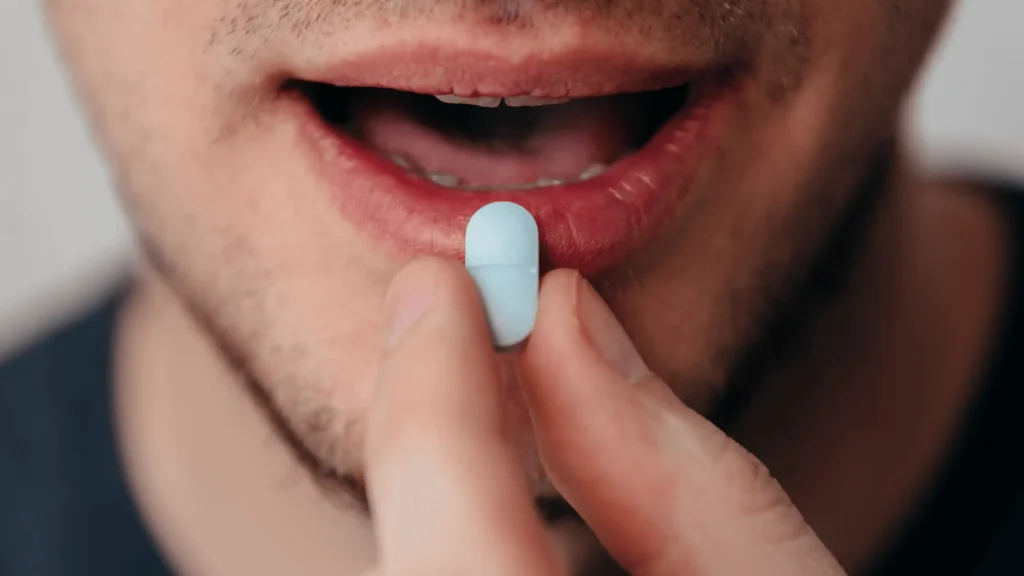
Suboxone is often considered one of the most accessible and widely used sublocade alternative options. It contains buprenorphine and naloxone and is typically taken daily as a dissolvable film or tablet under the tongue. Because it can be prescribed in an outpatient setting, it offers flexibility that some individuals prefer.
Unlike a monthly injection, Suboxone allows dosage adjustments more quickly. If cravings increase or side effects occur, providers can modify the dose without waiting weeks for medication levels to stabilize. This responsiveness can be especially valuable in early recovery when needs may shift rapidly.
However, daily dosing requires consistency and responsibility. Missing doses can increase relapse risk, and some individuals may struggle with adherence. There is also a small risk of diversion compared to injectable options.
Ultimately, whether Suboxone is the right sublocade alternative depends on structure, accountability, and personal comfort with daily medication. For many patients, it provides an effective balance between medical support and independence.
Related: Understanding Depression in Adolescents: Early Warning Signs Parents Shouldn’t Miss
Can You Switch Safely from Sublocade to Another Treatment?
Transitioning from Sublocade to a different medication must be handled carefully due to its long-acting formulation. Because the injection releases buprenorphine slowly over time, residual medication can remain in the system for weeks or even months after the last dose. This extended presence affects how and when another medication can be introduced.
A medical provider will typically monitor symptom patterns, cravings, and withdrawal indicators before initiating a sublocade alternative. In some cases, patients transition to sublingual buprenorphine temporarily before moving to another medication. Timing is critical to avoid precipitated withdrawal or destabilization.
The key to a safe transition is supervision. Attempting to stop or switch medications without medical guidance can increase relapse risk. With proper planning, however, many individuals successfully shift to a treatment plan that better aligns with their recovery goals.
Recovery is not about staying on one medication forever. It is about finding the safest path forward. A carefully managed transition ensures continuity of care and ongoing stability.
How Do Treatment Centers Personalize a Sublocade Alternative Plan?
At a comprehensive recovery center, treatment is never one-size-fits-all. Developing a sublocade alternative plan involves more than choosing a medication. It requires evaluating physical health, mental health, addiction history, and social support systems.
Clinicians typically consider:
- Length and severity of opioid use
- Previous treatment attempts
- Co-occurring mental health conditions
- Risk of relapse or overdose
- Personal preferences and lifestyle factors
Medication decisions are integrated with counseling, behavioral therapy, and relapse prevention planning. Long-term success depends on addressing the psychological and environmental drivers of addiction, not just the physical dependence.
A personalized approach ensures that medication supports, rather than replaces, comprehensive care. At Revival Recovery Center, individualized planning empowers patients to move beyond survival mode and toward meaningful, lasting recovery.
FAQ: Sublocade Alternative
1. What is the most common sublocade alternative?
Suboxone is one of the most common alternatives because it contains buprenorphine and can be prescribed for home use. It offers flexibility and is widely available.
2. Is a sublocade alternative as effective as Sublocade?
Yes, when properly prescribed and monitored, alternative medications can be equally effective. The best choice depends on individual medical and recovery needs.
3. Can I stop medication completely instead of choosing an alternative?
Some individuals eventually taper off medication, but this decision should be medically supervised. Stopping too soon can significantly increase relapse risk.
4. Does Medicaid cover a Sublocade alternative?
In many cases, yes. Medicaid often covers medication-assisted treatment options such as Suboxone or other approved alternatives, though prior authorization may be required. Revival Recovery Center assists patients in reviewing coverage and determining the most appropriate treatment option.
5. Where can I receive treatment if I’m considering a Sublocade alternative?
Sublocade alternatives and other medication-assisted treatment options are available at Revival Recovery Center in Highland, Michigan. Treatment plans are developed through a comprehensive clinical evaluation to ensure safety and effectiveness.
6. Can medication management for a Sublocade alternative be supported through telehealth?
Depending on clinical guidelines and individual needs, certain aspects of medication management and follow-up care may be provided through secure telehealth appointments. A medical assessment determines the safest structure for ongoing treatment.
You don’t have to navigate recovery decisions alone. At Revival Recovery Center, we specialize in personalized treatment plans, including carefully managed sublocade alternative options that support long-term stability. Located in Highland, Michigan, our center provides comprehensive addiction care in a supportive, judgment-free environment.
Your care is led by experienced professionals — Lisa Perna is a board-certified nurse practitioner specializing in addiction medicine and behavioral health, ensuring every patient receives expert, individualized attention. For added flexibility, we also offer Virtual Appointments in Brighton, Michigan.
Reach out to Revival Recovery Center today and begin building a recovery plan designed specifically for you.