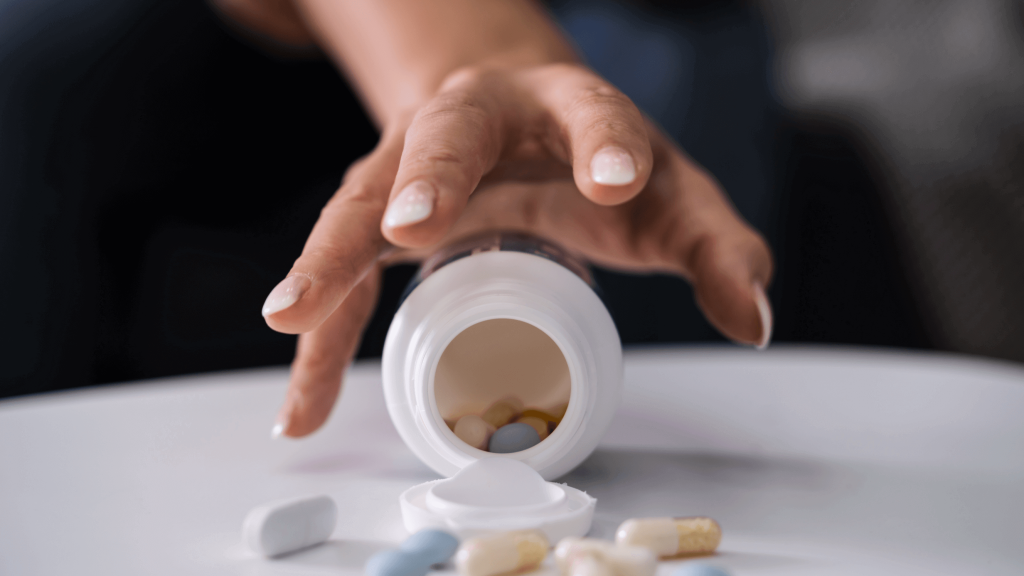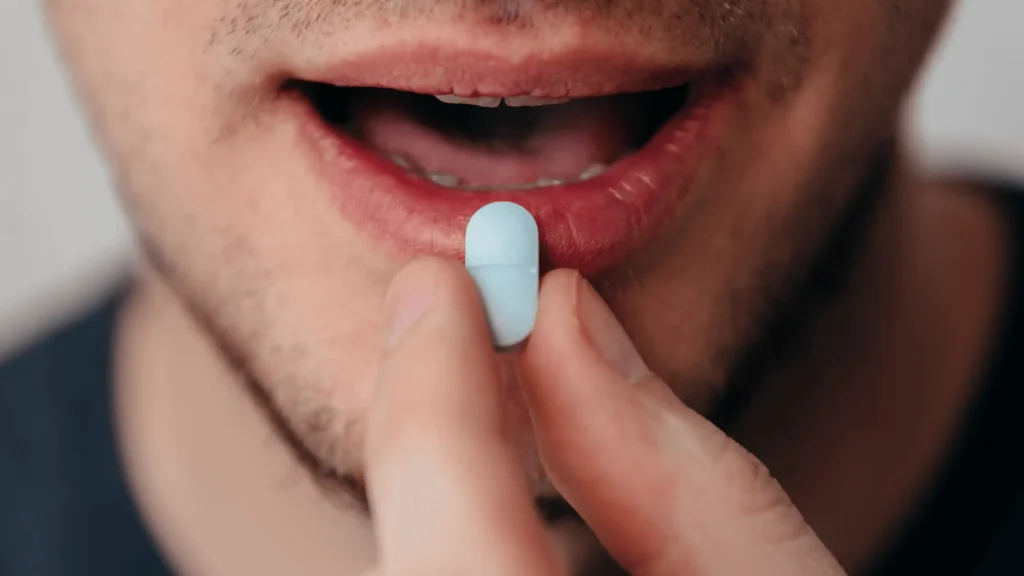
Sublocade is a long-acting injectable form of buprenorphine used to treat moderate to severe opioid use disorder. It’s administered once a month and helps reduce cravings and withdrawal symptoms without the need for daily medication. Sublocade provides consistent support for recovery and is often used as part of a comprehensive treatment plan.
If you or someone you love is battling opioid addiction, understanding all available treatment options is key to lasting recovery. Sublocade is one such option that’s changing the way opioid use disorder is treated. Approved by the FDA, Sublocade is a once-monthly injection that delivers a steady dose of buprenorphine, a medication proven to reduce opioid cravings and withdrawal symptoms.
Unlike daily medications, Sublocade offers a more consistent and controlled approach to managing addiction. This makes it ideal for individuals who may struggle with medication adherence or who want a more discreet solution. At Revival Recovery Center, we often recommend Sublocade as part of a larger recovery program that includes therapy, support groups, and behavioral health care.
In this guide, we’ll answer the most common questions about Sublocade to help you or your loved one make an informed decision.
How does Sublocade work in the body?
Sublocade contains buprenorphine, a partial opioid agonist that binds to the same receptors in the brain as opioids like heroin or oxycodone—but in a way that blocks the euphoric effects. This action helps reduce intense cravings and prevents withdrawal symptoms without creating a high.
Once injected, Sublocade forms a solid gel-like depot under the skin that slowly releases medication over time. This steady release keeps buprenorphine levels stable in the bloodstream, unlike daily medications that may fluctuate. As a result, individuals experience a more balanced and effective treatment process with fewer ups and downs.
Sublocade does not cure addiction, but it provides critical support in the early and middle phases of recovery by reducing the physical need for opioids, which helps patients focus on therapy and long-term change.
Related: PTSD in Veterans: Breaking the Stigma and Finding Help
Who is eligible to receive Sublocade treatment?
Not everyone can start Sublocade right away. To be eligible, a person must have already started buprenorphine treatment—usually through sublingual (under-the-tongue) medication like Suboxone—and achieved a stable dose for at least seven days. This helps ensure that the body tolerates buprenorphine and reduces the risk of withdrawal or side effects from the injection.
Sublocade is intended for adults with moderate to severe opioid use disorder who are committed to a medication-assisted treatment (MAT) program. It’s often a good fit for individuals who want a once-monthly option, have trouble taking medication daily, or are looking for a more private solution.
At Revival Recovery Center, we assess each person individually to determine whether Sublocade is appropriate based on medical history, addiction severity, and treatment goals.
Related: Understanding the Physical Triggers of Panic Disorder
What are the benefits of Sublocade compared to daily medications?
Sublocade offers several key advantages that make it an appealing option for many in recovery:
- Once-a-month dosing: No need to remember daily pills or strips.
- Steady medication levels: Helps avoid peaks and crashes in the system.
- Improved adherence: Reduces the chance of missed doses or relapse.
- Lower diversion risk: Since it’s an injection, it can’t be sold or misused like take-home medications.
- Greater privacy: No daily medications mean less risk of stigma or exposure.
These benefits make Sublocade especially helpful for individuals who lead busy lives, struggle with structure, or want to minimize the focus on medication during their recovery journey.
Related: When Everyday Worry Becomes a Disorder: Signs of GAD
What are the risks or side effects of Sublocade?
As with any medication, Sublocade does carry potential risks and side effects. The most common include:
- Injection site reactions (pain, redness, swelling)
- Constipation
- Headache
- Nausea
- Fatigue
- Liver enzyme changes
More serious but rare risks include allergic reactions or complications from incorrect injection. It’s important that Sublocade be administered by a trained medical professional, which is why treatment centers like Revival Recovery Center are ideal settings.
Before beginning Sublocade, a full medical evaluation is required to ensure safety. Patients should report any unusual symptoms or discomfort to their treatment provider promptly.
Related: Complex PTSD vs. PTSD: What’s the Difference?
How is Sublocade administered and how often?
Sublocade is given as a subcutaneous injection in the abdomen once a month by a healthcare professional. It must be administered in a certified medical setting—it’s not available as a take-home prescription.
The first two injections typically use a lower dose (300 mg), followed by a maintenance dose (100 mg) monthly. However, your provider may adjust the dosage depending on your individual response and treatment needs.
The injection itself only takes a few minutes, but the results last all month. Most patients feel more stable and confident in their recovery knowing they don’t have to manage medication daily.
Is Sublocade part of a full recovery plan at a treatment center?
Yes—Sublocade is most effective when it’s part of a comprehensive treatment plan that includes both medical and behavioral support. At Revival Recovery Center, we combine medication-assisted treatment with therapy, counseling, group support, and relapse prevention planning.
While Sublocade helps manage the physical aspect of addiction, the emotional and behavioral sides must also be addressed. This integrated approach gives individuals the best chance at long-term success by treating the whole person, not just the symptoms.
Recovery is a journey, and medications like Sublocade serve as powerful tools—not standalone solutions. Our team works closely with each client to ensure their treatment is customized, compassionate, and consistent with their personal goals.
Quick Answers About Sublocade
Is Sublocade the same as Suboxone?
No. Both contain buprenorphine, but Suboxone is taken daily as a film or tablet, while Sublocade is a monthly injection.
Can you stop Sublocade once you start?
Yes, but stopping should be done under medical supervision. Your provider may transition you back to oral buprenorphine if needed.
Does Sublocade show up on drug tests?
Sublocade contains buprenorphine, which can show on specific drug panels. However, it will not cause a positive result for typical opioids.
If you or a loved one is struggling with opioid addiction, Revival Recovery Center is here to help. Located in Highland, Michigan, our team offers personalized, evidence-based treatment options—including Sublocade—to support lasting recovery. Lisa Perna, a board-certified nurse practitioner specializing in addiction medicine and behavioral health, leads our compassionate care team with dedication and expertise.
We also offer virtual appointments in Brighton, Michigan, making it easier than ever to access the support you need. Contact Revival Recovery Center today to take the first step toward a healthier future.