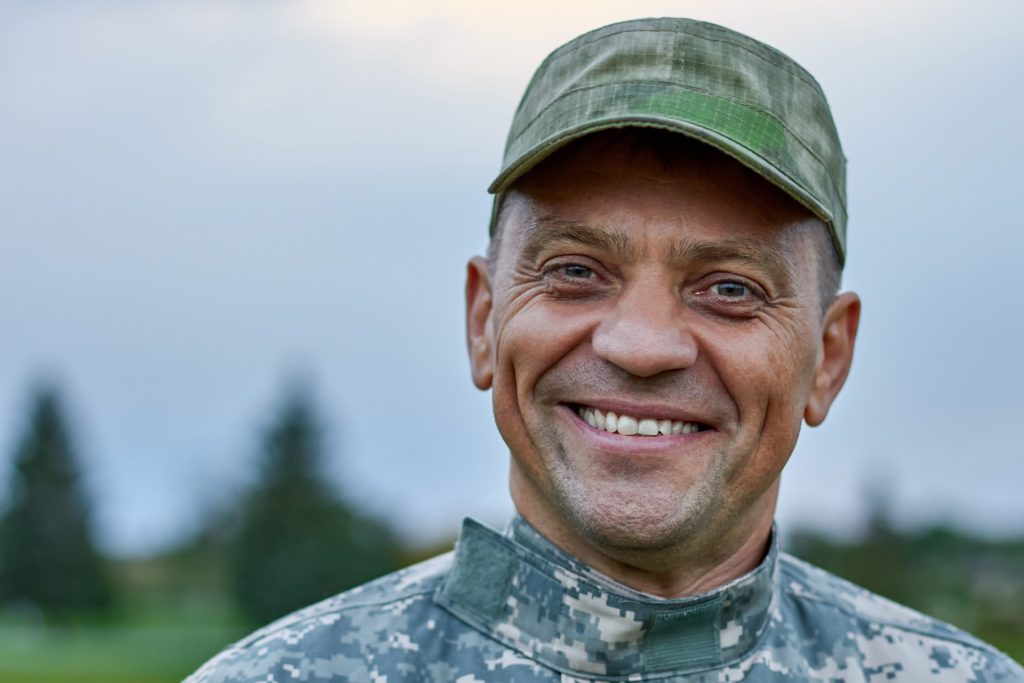
PTSD in veterans is a serious but treatable condition that affects many who have served in the military. Breaking the stigma surrounding mental health and providing access to proper support and resources are essential steps in helping veterans heal and regain control of their lives.
Post-traumatic stress disorder (PTSD) in veterans is a deeply personal and widespread issue that often goes unspoken. Combat, deployment, and the intense demands of military service can leave lasting emotional scars, yet many veterans hesitate to seek help due to stigma, shame, or a lack of understanding. Recognizing the signs of PTSD and creating a culture of support are critical for helping veterans take the first steps toward healing.
This blog explores the realities of PTSD in veterans, aiming to break down barriers and encourage those affected to seek the help they need. Whether you’re a veteran yourself, a loved one, or a professional in the support network, understanding PTSD and how to address it is essential. Our goal is to normalize the conversation, provide practical guidance, and highlight the paths available to recovery.
What are the signs and symptoms of PTSD in veterans?
PTSD in veterans can show up in many ways, and symptoms may not appear immediately after a traumatic event. Common signs include reliving the trauma through flashbacks or nightmares, avoiding reminders of the trauma, heightened anxiety, and emotional numbness. Veterans may become easily irritated, feel constantly on edge, or have trouble sleeping and concentrating.
These symptoms often disrupt relationships, employment, and daily life. Veterans might withdraw from loved ones or avoid crowded places that feel unsafe. In some cases, substance use becomes a coping mechanism, further complicating the condition. Recognizing these signs early is essential for getting the right support. Left untreated, PTSD can worsen, but with awareness and intervention, recovery is absolutely possible.
Related: Understanding the Physical Triggers of Panic Disorder
Why is PTSD common among military veterans?
Military service places individuals in highly stressful and dangerous environments where exposure to traumatic events is common. Combat, witnessing death or injury, surviving life-threatening situations, and experiencing moral injuries can all contribute to PTSD in veterans. Even non-combat roles may involve repeated exposure to trauma, such as dealing with the aftermath of attacks or providing medical care under pressure.
The structured nature of military life also means that veterans may struggle with the transition to civilian life, where the same support systems and routines no longer exist. This change can compound stress and make unprocessed trauma more difficult to manage. Understanding that PTSD is a natural response to unnatural experiences helps reframe it not as a weakness, but as a legitimate mental health condition that requires care.
Related: When Everyday Worry Becomes a Disorder: Signs of GAD
What prevents veterans from seeking help for PTSD?
Many veterans delay or avoid seeking help for PTSD due to fear of judgment, concerns about being perceived as weak, or worries about how it might affect their careers or relationships. The military culture often emphasizes toughness and self-reliance, which can make it difficult to admit vulnerability or emotional pain.
Additional barriers include a lack of awareness about PTSD symptoms, difficulty accessing care, or mistrust in mental health systems. Some veterans may not recognize their symptoms as part of a treatable condition, believing instead that they just have to “live with it.” To change this narrative, it’s crucial to foster a more open and supportive environment where asking for help is seen as a sign of strength.
Related: Complex PTSD vs. PTSD: What’s the Difference?
How can we break the stigma surrounding PTSD in veterans?
Breaking the stigma around PTSD in veterans starts with open conversations, education, and the normalization of mental health care. When veterans and leaders speak publicly about their experiences, it encourages others to feel less alone and more willing to seek support. The goal is to create a culture where mental health is treated with the same importance as physical health.
Here are several key steps to help reduce stigma:
- Educate the public and military communities about PTSD and its effects
- Promote stories of recovery to highlight that healing is possible
- Encourage peer support through veteran-led groups
- Integrate mental health care into routine veteran services
- Highlight confidentiality and safety in seeking treatment
Stigma loses power when people feel understood, supported, and safe. Changing the conversation around PTSD can empower veterans to reclaim their mental well-being without shame.
Related: Medication Options for Social Anxiety and What to Expect
What treatment options are available for veterans with PTSD?
There are several effective, evidence-based treatments for PTSD in veterans. The most common include talk therapies like Cognitive Processing Therapy (CPT), Prolonged Exposure (PE), and Eye Movement Desensitization and Reprocessing (EMDR). These therapies help veterans process traumatic memories, reduce distress, and regain a sense of control.
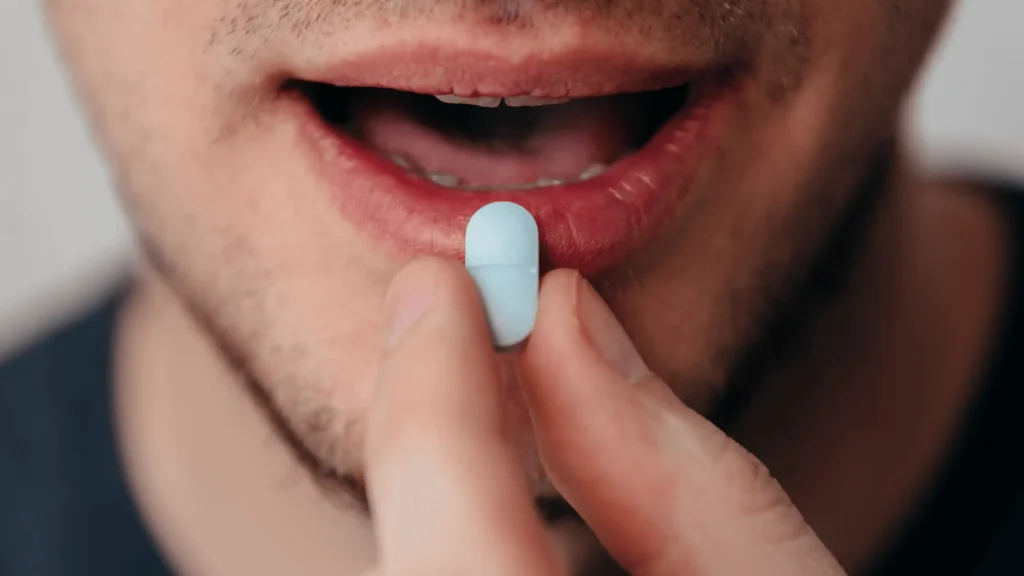
Medication may also be used to manage symptoms like anxiety or depression. Additionally, newer approaches like group therapy, art therapy, and service dog programs offer alternative or supplemental support. The Department of Veterans Affairs (VA) provides access to a wide range of treatments specifically tailored to the needs of veterans. Most importantly, treatment plans can be personalized—what works for one person may look different for another, and that’s okay.
Where can veterans find trusted help and resources?
Veterans have access to multiple trustworthy resources that specialize in PTSD and mental health care. The VA is often the first place to start, offering comprehensive services including therapy, crisis support, and specialized PTSD programs. Local Vet Centers also provide community-based counseling and outreach.
Veterans can also find support through organizations such as:
- Wounded Warrior Project
- Give an Hour
- Team Red, White & Blue
- National Center for PTSD
- Veterans Crisis Line (Dial 988 then Press 1)
Peer support groups, both online and in-person, are another valuable resource. Whether through the VA or independent organizations, the help is out there—what matters most is taking the first step to reach out.
Quick answers about PTSD in Veterans
What causes PTSD in veterans?
PTSD in veterans is caused by exposure to traumatic events such as combat, injury, or life-threatening situations during military service.
Is PTSD treatable in veterans?
Yes, PTSD is highly treatable with therapy, medication, and support. Many veterans see significant improvements with the right care.
How do I talk to a veteran who might have PTSD?
Approach with empathy, listen without judgment, and encourage them to seek professional help if they’re open to it.
If you or a loved one is struggling with PTSD in veterans, you don’t have to face it alone. Revival Recovery Center, located in Highland, Michigan, provides compassionate, evidence-based care for veterans dealing with PTSD, addiction, and related mental health conditions.
Lisa Perna, a board-certified nurse practitioner specializing in addiction medicine and behavioral health, leads a team committed to helping you regain control of your life. Whether you prefer in-person support or the flexibility of remote care, Revival Recovery Center also offers virtual appointments in Brighton, Michigan to make treatment more accessible.
Reach out today to begin your path toward recovery—with respect, dignity, and expert care tailored to veterans.