Living with panic disorder can feel like being ambushed by fear for no clear reason. Imagine suddenly feeling like you’re choking, your heart racing, and a sense of impending doom washing over you—while nothing around you has changed. That’s what many people experience during a panic attack, a hallmark symptom of panic disorder. For those who suffer from it, the unpredictability and intensity of these episodes can deeply impact their everyday lives.
This blog aims to shed light on what panic disorder truly feels like and how it differs from ordinary anxiety or stress. Understanding the signs, emotional toll, and treatment options can be life-changing—whether you’re facing these symptoms yourself or supporting someone who is. With the right information and support, panic disorder is manageable, and recovery is entirely possible.
Symptoms of Panic Disorder: How It Manifests
Panic disorder is more than occasional anxiety—it’s defined by recurrent, unexpected panic attacks and ongoing worry about having more. These attacks usually come on suddenly and reach a peak within minutes, creating overwhelming fear or discomfort that can feel completely out of proportion to the actual situation.
Common symptoms include a pounding or racing heart, shortness of breath, dizziness, trembling, and a feeling of losing control. Some people report chest pain so intense they believe they’re having a heart attack. Others may feel like they’re suffocating, detached from reality, or even dying. The unpredictability of these attacks adds another layer of distress, as individuals often live in constant fear of the next episode.
Panic disorder typically develops in late adolescence or early adulthood, though it can begin at any age. For many, it starts with a few isolated panic attacks and eventually evolves into a chronic condition characterized by avoidance behaviors and persistent worry. Importantly, not everyone who experiences panic attacks has panic disorder. Diagnosis is based on repeated attacks combined with ongoing concern or significant lifestyle changes stemming from them.
Understanding these symptoms is the first step toward reclaiming control. If you or someone you know frequently experiences these sensations without a clear cause, it may be time to consider the possibility of panic disorder.
Related: The Role of Suboxone in Fighting the Opioid Epidemic
Emotional and Physical Impact on Daily Life

Living with panic disorder can be emotionally exhausting and physically limiting. Many people find their lives increasingly shaped by the need to avoid situations where a panic attack might occur. For example, someone may stop driving, avoid public places, or even refuse to leave their home. This fear-driven lifestyle can lead to job loss, strained relationships, and a deep sense of isolation.
The emotional toll includes chronic fear, embarrassment, and a sense of being misunderstood. Individuals with panic disorder often feel like they’re “going crazy” or fear judgment from others. This can lead to a loss of self-confidence and increased social withdrawal. Over time, this emotional distress may evolve into depression or generalized anxiety, creating a complex web of mental health challenges.
Physically, the body is in a constant state of alert, which can result in fatigue, sleep disturbances, digestive issues, and muscle tension. Over time, the strain on the nervous system can weaken overall health and increase vulnerability to other medical conditions.
Because panic disorder affects both the body and mind, it’s essential to take the condition seriously and seek appropriate care. A holistic approach to treatment can help individuals regain a sense of control and return to a fuller, more engaged life.
Related: Constant Worry and Restlessness: GAD Symptoms Explained
The Role of Diagnosis: When to Seek Help
Panic disorder is often misunderstood or misdiagnosed, particularly in its early stages. Many people mistake their symptoms for physical health problems, leading them to seek help from cardiologists or emergency rooms rather than mental health professionals. While it’s crucial to rule out medical causes, ongoing panic attacks paired with fear of recurrence typically point to a psychological origin.
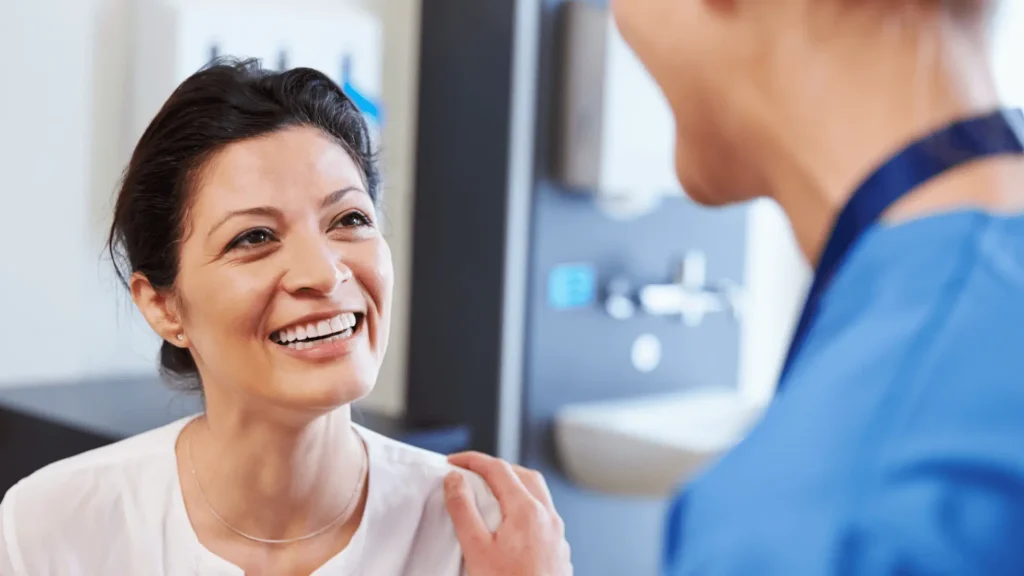
Seeking a diagnosis can feel intimidating, but it’s an empowering step. A qualified mental health provider will evaluate your symptoms, frequency of attacks, and any lifestyle changes you’ve made to avoid future episodes. Diagnosis is typically based on criteria from the DSM-5 (Diagnostic and Statistical Manual of Mental Disorders), which ensures consistency and accuracy.
Recognizing when to get help is key. If panic attacks are frequent, unpredictable, and cause you to change your behavior or lifestyle, it’s time to consult a professional. Early diagnosis allows for earlier intervention, which greatly improves outcomes and helps prevent the condition from worsening or leading to other issues like agoraphobia.
Acknowledging that what you’re experiencing may be panic disorder is not a sign of weakness—it’s the first sign of strength. With proper guidance, treatment, and support, recovery is well within reach.
Related: What Is Suboxone and How Does It Treat Opioid Use Disorder?
Treatment Options for Panic Disorder
Effective treatment for panic disorder involves a combination of therapeutic and medical approaches. The goal is to reduce the frequency and intensity of panic attacks while improving overall quality of life.
Common treatment options include:
- Cognitive Behavioral Therapy (CBT): One of the most effective treatments, CBT helps individuals identify and change negative thought patterns and behaviors that fuel panic.
- Exposure Therapy: Often used alongside CBT, this technique gradually exposes individuals to feared situations to reduce avoidance and desensitize triggers.
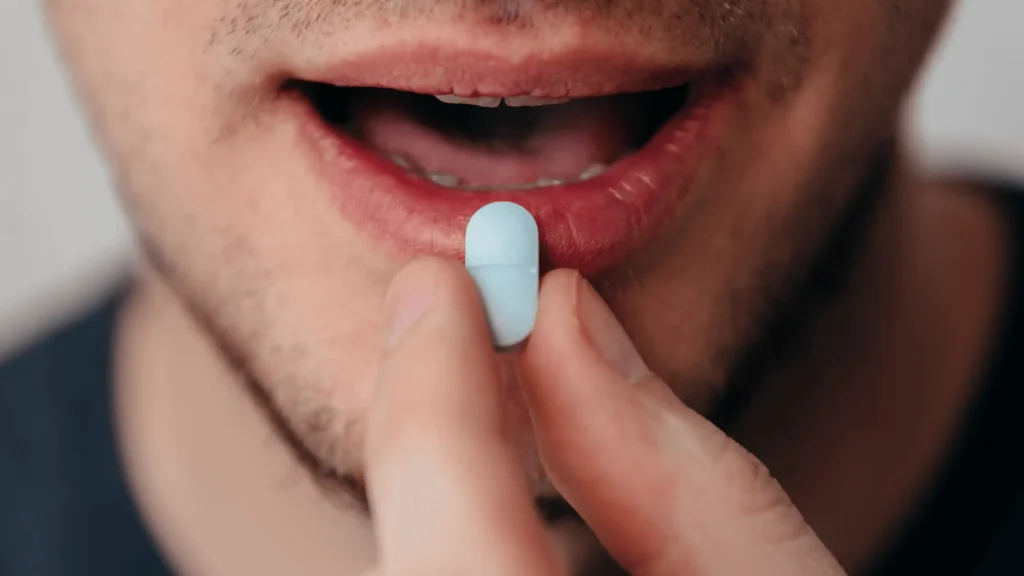
- Medication: Selective serotonin reuptake inhibitors (SSRIs) and benzodiazepines are commonly prescribed to help manage symptoms. Medication is often used in conjunction with therapy.
- Mindfulness and Relaxation Techniques: These include breathing exercises, meditation, and progressive muscle relaxation to help reduce stress and prevent panic attacks.
- Support Groups: Sharing experiences with others facing similar challenges can reduce feelings of isolation and provide practical coping tips.
A tailored approach is essential. Working closely with a healthcare provider ensures that treatment is both effective and sustainable.
Related: The Silent Struggle: Living with Social Anxiety
Lifestyle Changes That Can Help Manage Symptoms
In addition to therapy and medication, lifestyle adjustments play a vital role in managing panic disorder. These changes help reduce the body’s baseline stress levels and improve resilience against triggers.
Helpful lifestyle strategies include:
- Regular Exercise: Aerobic activities like walking, swimming, or cycling help release endorphins and stabilize mood.
- Balanced Diet: Avoiding caffeine, alcohol, and sugar can prevent spikes in anxiety and improve overall health.
- Sleep Hygiene: Consistent sleep schedules and restful routines can reduce susceptibility to panic attacks.
- Stress Management: Practices like journaling, yoga, and mindfulness can help lower day-to-day anxiety.
- Structured Routine: Maintaining a predictable daily routine creates a sense of control and stability.
- Limiting Stimulants: Reducing screen time and avoiding overstimulation can help calm the nervous system.
Consistency is key. While these changes may seem small, their cumulative effect can significantly enhance mental and physical well-being.
How to Support a Loved One with Panic Disorder
Supporting someone with panic disorder requires patience, empathy, and education. Panic attacks can seem frightening from the outside, especially when the person appears overwhelmed or irrational. However, understanding that these reactions are involuntary and deeply distressing is the first step toward offering meaningful help.
Encourage open communication and reassure your loved one that their experiences are valid. Avoid minimizing their fears or offering “quick fixes.” Instead, listen actively and ask how you can best support them during a panic episode. Sometimes just being present and offering a calm, steady presence is the most helpful thing you can do.
It’s also beneficial to educate yourself about the condition so you can better anticipate triggers and help create a safe, supportive environment. Gently encourage treatment if they’re not already receiving it, and offer to help them find a qualified provider if needed.
Taking care of your own mental health is just as important. Supporting someone with panic disorder can be emotionally draining, and you’ll be in a better position to help if you also practice self-care and seek support when needed.
If you or someone you love is struggling with panic disorder, know that help is available—and recovery is possible. At Revival Recovery Center in Highland, Michigan, we offer compassionate, evidence-based care tailored to your unique needs. Our team understands the challenges of living with panic disorder and is here to help you regain control and confidence.
Lisa Perna is a board-certified nurse practitioner specializing in addiction medicine and behavioral health, bringing expert insight and a personal touch to every treatment plan.
You don’t have to navigate panic disorder alone. Reach out to Revival Recovery Center today and take the first step toward a healthier, calmer future.