
Stimulant (Cocaine, Amphetamine, MDMA) Treatment Services in Brighton & Highland, MI and All Across Michigan (Telehealth)
About the Amphetamine Services
At our center, we understand the unique challenges that come with overcoming amphetamine dependence. Whether prescribed or recreational, amphetamines can lead to a cycle of dependency that’s hard to break. However, with the proper support, structure, and care, recovery is possible. Our amphetamine treatment services are designed to help you regain control of your life and build a healthier, substance-free future.
Amphetamines, often prescribed for conditions like ADHD or narcolepsy, are highly stimulating drugs that can be misused. Prolonged use, whether for recreational or dependency purposes, can have a profound impact on mental and physical health. Our comprehensive treatment program addresses every layer of amphetamine addiction, from detoxification and physical stabilization to emotional healing and long-term recovery planning.
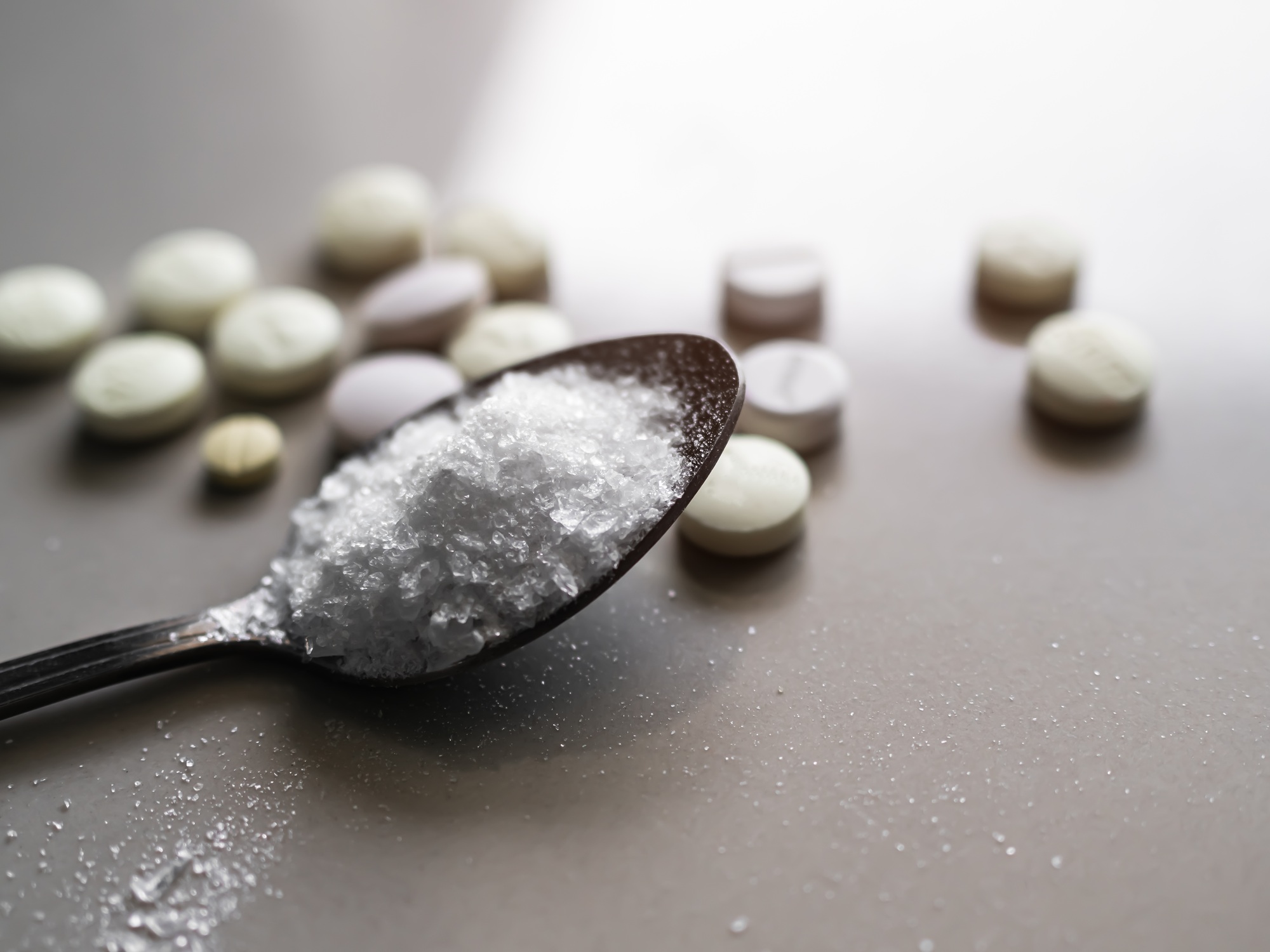
We are committed to offering a safe and supportive space where you or your loved one can begin the recovery process. With personalized care tailored to your needs, our team provides the tools and resources to help you build a path to a better, more stable life.
Signs and Symptoms of Amphetamine Dependence
Recognizing the symptoms of amphetamine addiction is an important first step in seeking help. Amphetamine dependence can manifest in many ways, from physical and psychological changes to shifts in behavior. Knowing the warning signs can guide you toward the next steps for recovery.
Common signs and symptoms include:
Physical symptoms:
- Increased energy or hyperactivity followed by long periods of exhaustion
- Significant weight loss or a noticeable drop in appetite
- Rapid heart rate or elevated blood pressure
- Trouble falling or staying asleep (insomnia)
- Deterioration in personal hygiene or appearance
Behavioral symptoms:
- Excessive talkativeness or restlessness
- Engaging in risky, impulsive, or erratic behaviors
- Neglecting work, family, or social obligations
- Using amphetamines more frequently or in higher doses than prescribed
- Lying or becoming secretive about drug use
Psychological symptoms:
- Anxiety, irritability, or mood swings that intensify with use
- Paranoia or hallucinations, especially with excessive use
- Difficulty concentrating or focusing without amphetamines
- Feelings of depression, hopelessness, or worthlessness during withdrawal
- Developing a strong craving or dependency on amphetamines for daily activities
Recognizing these symptoms in yourself or a loved one can be difficult, but seeking professional help starts the critical process of recovery.
DETOXIFICATIONS REVIEWS
Candidate Eligibility for Amphetamine Treatment
Amphetamine addiction doesn’t look the same for everyone. A variety of factors, including frequency of use, personal history, and physical or emotional symptoms, all impact the degree of dependence. At our center, we assess every individual to determine personalized treatment options that meet their unique needs.
You may benefit from amphetamine services if:
- You have tried to reduce or stop amphetamine use but struggled with cravings or withdrawal.
- Your health, work, or relationships have been negatively impacted by amphetamine use.
- You use amphetamines in higher doses or more often than prescribed to feel “normal” or productive.
- You feel unable to concentrate or perform daily tasks without amphetamines.
- You’re ready to take the first step toward recovery in a safe, professional environment.
By taking the time to learn about your history and challenges, our team can create a treatment experience that supports you through every stage of the recovery process.
How Amphetamine Treatment Works
Recovering from amphetamine addiction requires a comprehensive and compassionate approach. Our treatment program focuses on helping you through the physical, psychological, and emotional complexities of dependence. With evidence-based practices and a dedicated team, we provide the structure and guidance you need for a successful recovery.
Here’s what you can expect from our amphetamine treatment program:
- Comprehensive Assessment and Personalization
- Our intake process evaluates your amphetamine use, medical history, and mental health.
- A personalized treatment plan is designed to align with your specific needs and goals.
- Detoxification and Stabilization
- If necessary, detoxification is conducted under medical supervision to manage withdrawal symptoms like fatigue, irritability, or mood instability.
- Health and safety are our top priorities throughout your detox process, ensuring you’re closely monitored and supported.
- Therapeutic Support
- Individual therapy sessions help uncover the emotional factors behind amphetamine use and develop healthier coping strategies.
- Group therapy provides a supportive environment to share experiences and build meaningful connections with others on similar journeys.
- Evidence-based methods, such as cognitive-behavioral therapy (CBT), help you change thought patterns and behaviors that contribute to addiction.
- Long-Term Recovery Planning
- Education on relapse prevention prepares you to manage triggers and challenging situations.
- Aftercare services, such as outpatient therapy, support groups, or sober living environments, help you maintain long-term sobriety.
Recovery is a gradual and rewarding process. Our team is with you every step of the way, ensuring you feel supported and empowered to achieve your recovery goals.
Amphetamine FAQ
How long does amphetamine treatment take?
The timeline for recovery varies depending on your specific situation. Treatment may last anywhere from a few weeks to several months, with aftercare options available to support you in building lasting success.
Is amphetamine withdrawal dangerous?
While amphetamine withdrawal isn’t typically life-threatening, it can cause emotional and psychological challenges, such as depression, fatigue, or cravings. Our medical team carefully monitors and manages these symptoms to ensure your comfort and safety.
What happens after treatment?
After treatment, we focus on helping you maintain your progress through continued support. This may include therapy, peer support groups, and personalized aftercare planning.
Do I have to stop amphetamine use entirely?
Yes. For individuals struggling with addiction, total abstinence is essential to achieving long-term recovery.
Can treatment address co-occurring mental health conditions?
Absolutely. Many people struggling with amphetamine addiction also experience co-occurring conditions, such as anxiety or depression. Our programs are designed to address these conditions as part of your overall recovery plan.
Tips for Managing the Process
Recovering from amphetamine addiction is a meaningful but challenging process. These tips can help you make the most of your treatment experience and set the foundation for long-term success.
- Be Open and Honest
Sharing your experiences and challenges helps our team better understand and support your needs. - Build a Support System
Connecting with trusted friends, family, or support groups can provide encouragement and strength during treatment. - Stay Focused on Your Goals
Recovery is a step-by-step process. Celebrate progress, no matter how small, and remain committed to your long-term objectives. - Engage in Aftercare
Ongoing support after completing treatment greatly improves your chances of staying on the path to recovery.
Taking the step to seek help for amphetamine addiction is an act of courage. Our team is here to provide compassionate care, personalized treatment, and unwavering support as you work toward a healthier, more fulfilling life. Contact us today to learn more about our amphetamine treatment services and take the first step toward recovery.
Related Posts

- Lisa Perna, FNP
- |

- Lisa Perna, FNP
- |
*Individual results are not guaranteed and may vary from person to person. Images may contain models. We are proud to offer interpretation services.