
Opioid, Fentanyl, Heroin Use Disorder Treatment in Brighton & Highland, MI and All Across Michigan (Telehealth)
About Opioid and Heroin Use Disorder Treatment
At Revival Recovery Center, our Opioid and Heroin Use Disorder treatment programs are designed to address the specific challenges faced by individuals struggling with addiction to opioids, heroin, fentanyl, and prescription painkillers. Opioid use disorder is a complex condition that requires a tailored approach, combining medical, emotional, and social support to achieve sustained recovery.
Our evidence-based programs not only help individuals detoxify their bodies but also address the underlying issues contributing to addiction. With a compassionate team of medical professionals, therapists, and support staff, we create a safe and supportive space for healing.
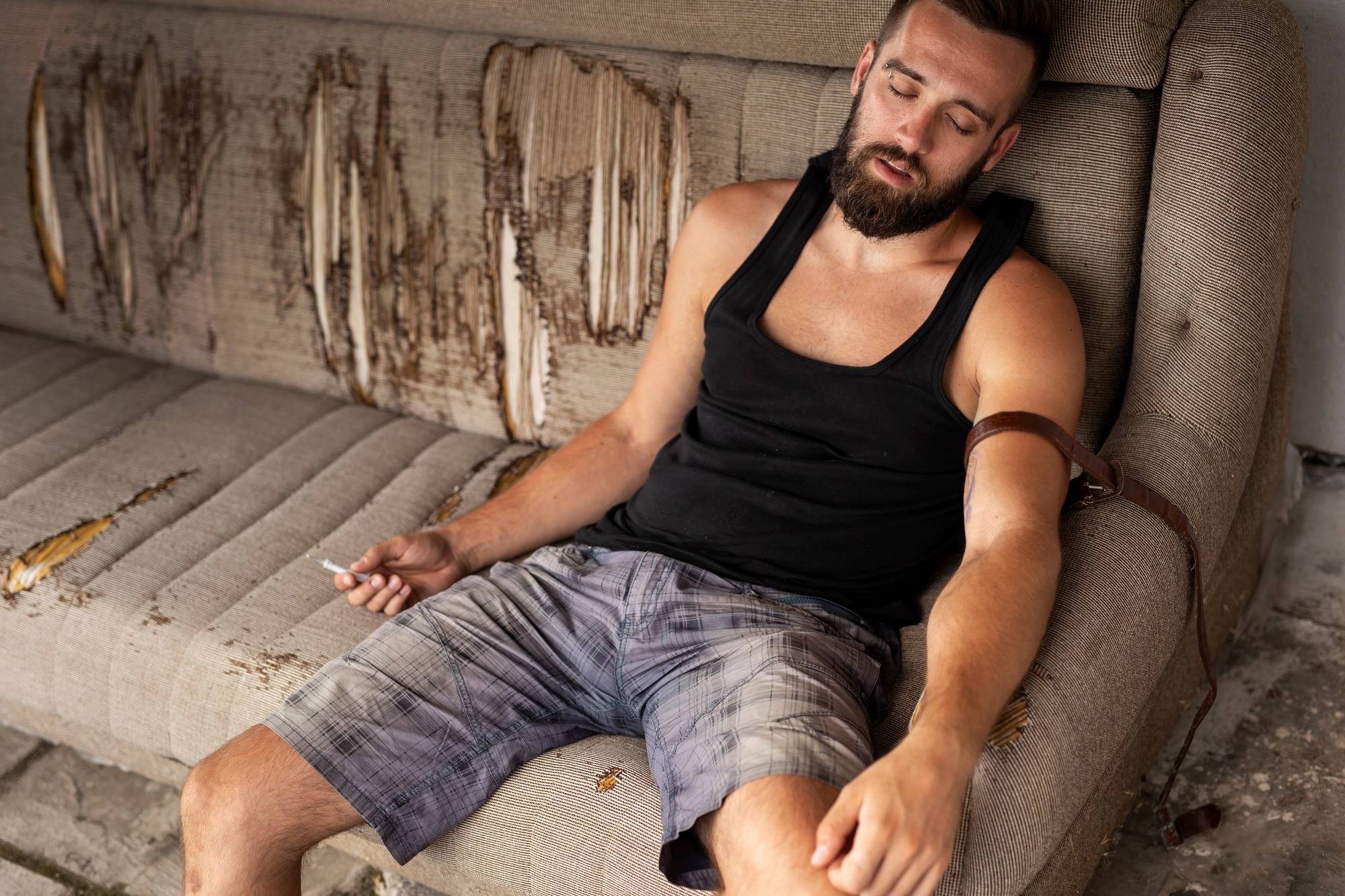
Addictions to opioids and heroin are challenging but not insurmountable. Revival Recovery Center incorporates comprehensive strategies, including medication-assisted treatments, behavioral therapy, and holistic recovery options, to help you regain control of your health and future.
Signs and Symptoms of Opioid and Heroin Use Disorder
Recognizing the signs of opioid and heroin use disorder is a critical step in seeking help. Addiction often impacts individuals physically, emotionally, and behaviorally, with varying symptoms depending on the person and substance used.
Common physical symptoms:
- Severe cravings for opioids or heroin
- Constricted pupils or noticeable drowsiness
- Nausea or vomiting
- Changes in sleep patterns or chronic fatigue
- Track marks or scars from injection use (in heroin users)
Behavioral symptoms:
- Neglecting responsibilities at work, school, or within the family
- Stealing or borrowing money to fund substance use
- Isolating from loved ones or losing interest in hobbies
- Engaging in risky or irrational behavior while under the influence
Emotional and psychological symptoms:
- Feelings of hopelessness or despair tied to substance use
- Irritability or mood swings
- Difficulty concentrating, memory lapses, or “zoning out”
- Dependence on opioids or heroin to manage stress or emotional pain
If you or someone you love exhibits any of these symptoms, seeking immediate professional support can prevent the situation from worsening and open the door to recovery.
DETOXIFICATIONS REVIEWS
Candidate Eligibility for Treatment
Opioid and heroin addiction can affect anyone, and determining eligibility for treatment is an essential step toward recovery. At Revival Recovery Center, we offer tailored programs designed to meet patients where they are, no matter how mild or severe the addiction.
You may be a candidate for treatment if:
- Dependency on opioids or heroin:
Struggling with medications like fentanyl, oxycodone, hydrocodone, or illicit drugs like heroin. - Intense withdrawal symptoms:
Experiencing symptoms like nausea, tremors, or mood swings when attempting to stop use. - Relapses after quitting:
Struggling to maintain sobriety after previous recovery attempts. - Impact on daily life:
Facing difficulties in fulfilling responsibilities or maintaining relationships due to substance use. - Readiness to seek help:
You recognize the need for professional support to overcome addiction.
How the Treatment Works
At Revival Recovery Center, our treatment plans are customized to fit each individual’s needs, ensuring comprehensive care for opioid and heroin addiction. We incorporate a variety of proven methods to help patients overcome addiction while fostering long-term health and well-being.
The stages of treatment include:
- Initial Assessment
- A thorough evaluation of your physical and mental health, substance use history, and personal goals.
- Identification of co-occurring conditions, such as anxiety or depression, that may influence addiction treatment.
- Detoxification
- A medically supervised detox process designed to safely manage withdrawal symptoms.
- Medications like Suboxone or methadone may be prescribed to ease symptoms and cravings.
- Medication-Assisted Treatment (MAT)
- FDA-approved medications such as buprenorphine or Naltrexone are integrated into the plan to stabilize the individual and prevent relapse.
- MAT is paired with counseling to address emotional and behavioral challenges.
- Therapeutic Support
- Behavioral therapies like Cognitive Behavioral Therapy (CBT) and group counseling sessions help patients explore the root causes of addiction while developing coping strategies.
- Family therapy is available to mend relationships and build emotional support networks.
- Holistic Recovery Options
- Complementary therapies, including yoga, meditation, and nutritional guidance, focus on total well-being.
- Building healthy habits to reinforce long-term recovery goals.
- Transition to Aftercare
- Ongoing resources, support groups, and recovery programs are provided to maintain progress after treatment.
- A robust aftercare plan is key to preventing relapse and ensuring a brighter, healthier future.
Our focus is on treating the whole person, addressing not just the symptoms of addiction but also the emotional, social, and physical impact it has on their lives.
Opioid and Heroin Use Disorder FAQ
How does MAT help with opioid addiction?
Medication-Assisted Treatment reduces withdrawal symptoms and cravings by normalizing brain function. Medications like Suboxone and Naltrexone block the euphoric effects of substances, allowing individuals to focus on recovery.
Is opioid addiction treatable?
Yes, opioid addiction is highly treatable with the right combination of medical, psychological, and social support. Treatment programs like those at Revival Recovery Center focus on comprehensive care to achieve long-term success.
Will I experience withdrawal symptoms during treatment?
While withdrawal symptoms can occur, our medically supervised detox reduces discomfort and ensures your safety throughout the process. Medications may be used to alleviate symptoms.
How long does opioid addiction treatment take?
The length of treatment depends on the individual’s needs. Detox can last 5-10 days, while therapy and MAT may continue for months or even years, depending on the recovery plan.
What happens if I relapse?
Relapse is not uncommon in recovery. If it happens, we’re here to provide support and adjust the treatment plan to address new challenges.
Managing Opioid and Heroin Use Disorder
Managing opioid and heroin addiction requires a long-term, holistic approach that helps individuals build a life of stability and purpose. Revival Recovery Center emphasizes proactive strategies to reduce relapse risks and promote sustainable growth.
Tips for managing recovery:
- Stay engaged in therapy:
Attend counseling sessions and support groups regularly to stay connected to your recovery goals. - Follow your treatment plan:
Take prescribed medications as directed and keep up with follow-up appointments. - Build a supportive network:
Surround yourself with friends or family members who encourage sobriety and engage in healthy habits. - Focus on your well-being:
Incorporate healthy habits like exercise, balanced nutrition, and stress-management practices into your daily life. - Prepare for challenges:
Work with your care team to develop strategies for overcoming triggers and high-risk situations.
At Revival Recovery Center, our mission is to provide compassionate, effective care that empowers individuals to reclaim their lives. If you’re ready to break free from opioid or heroin addiction, contact our team today to take the first step toward recovery.
Related Posts

- Lisa Perna, FNP
- |

- Lisa Perna, FNP
- |
*Individual results are not guaranteed and may vary from person to person. Images may contain models. We are proud to offer interpretation services.