For those grappling with kratom use disorder, understanding the impact it can have on your life is often the first step toward reclaiming control. While kratom is frequently marketed as a natural remedy, its potential for misuse and dependency can lead to profound physical, emotional, and psychological challenges.
Recognizing this struggle isn’t a sign of weakness—it’s a courageous act of self-awareness. Recovery is a personal and often complex process, but with the right strategies, support, and resources, it is entirely possible to break free and build a healthier future. This exploration of kratom use disorder sheds light on key challenges and actionable steps toward recovery, offering guidance and reassurance to anyone seeking a path forward.
What is Kratom? Understanding Its Uses and Misuses
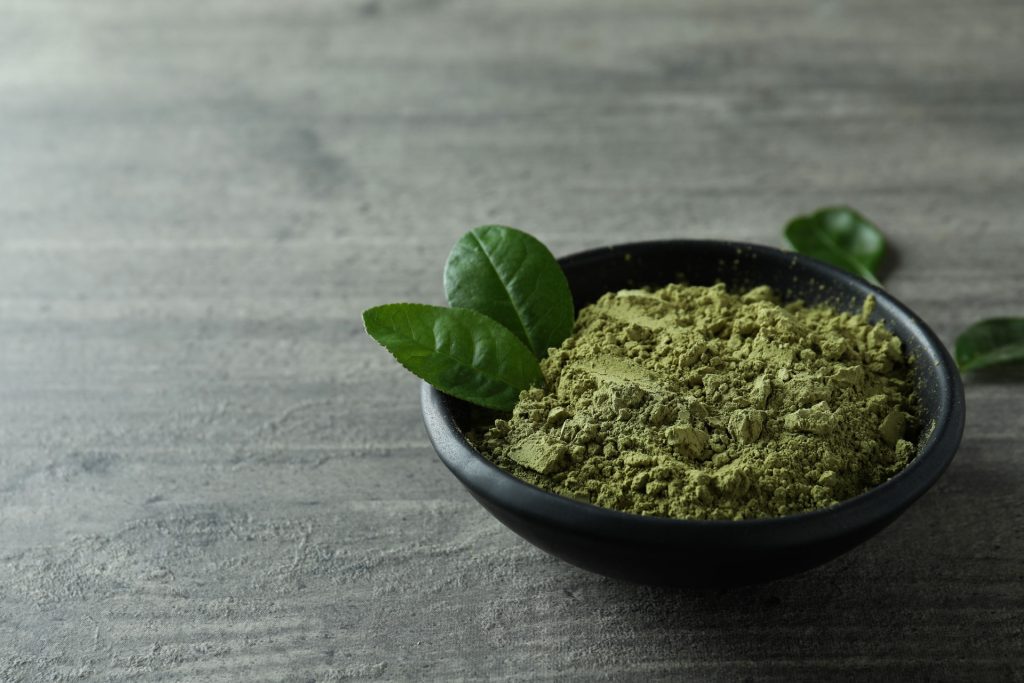
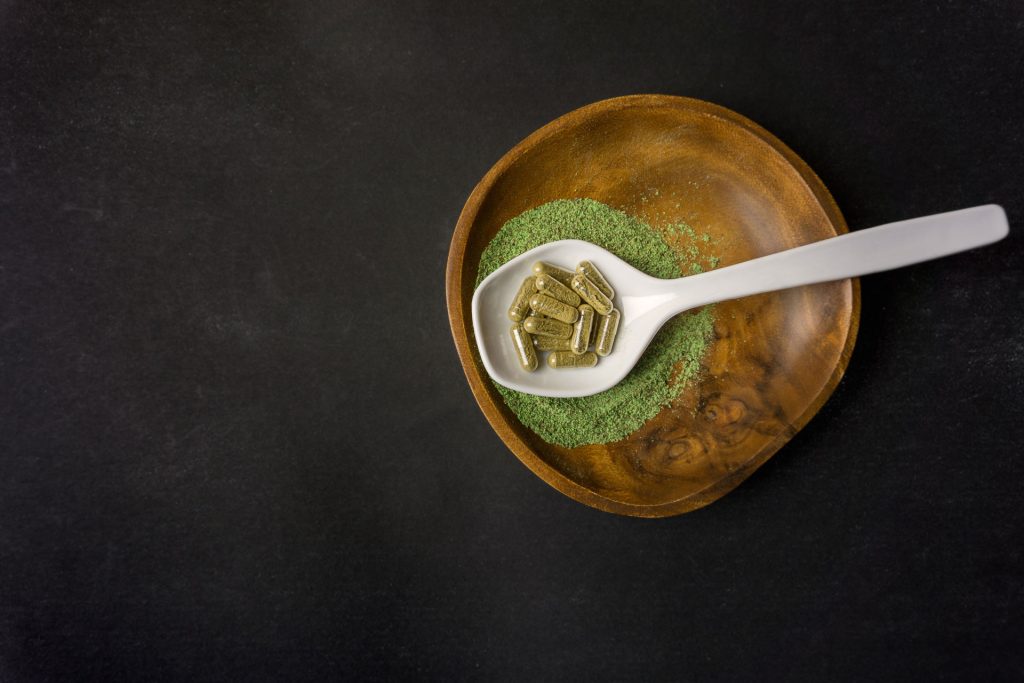
Kratom, derived from the leaves of the Mitragyna speciosa tree, is a plant native to Southeast Asia. It has been used traditionally for centuries in countries like Thailand and Malaysia for its stimulant and pain-relieving properties. Today, kratom is readily accessible in various forms, including powders, capsules, teas, and extracts, but its safety and efficacy are subjects of ongoing debate.
Key aspects of kratom include:
- Traditional Uses
Historically, workers in Southeast Asia chewed kratom leaves to combat fatigue and enhance productivity. It was also used in traditional medicine to alleviate pain, diarrhea, and opioid withdrawal. - Reported Effects
Depending on the dose, kratom can have stimulant-like effects (low doses) or sedative and opioid-like effects (high doses). Users may experience increased energy, pain relief, or relaxation. - Modern Uses
Many individuals today use kratom to self-treat conditions such as chronic pain, anxiety, and opioid withdrawal symptoms. However, it is not FDA-approved for any medical use. - Potential for Misuse
Regular or high-dose use of kratom can lead to dependency, withdrawal symptoms, and adverse health effects, such as nausea, liver issues, or even substance use disorder.
Understanding these properties is crucial to identifying and addressing kratom use disorder.
Related: Helping Teenagers Navigate Mental Health and Addiction Issues
Recognizing the Signs and Symptoms of Kratom Use Disorder
Kratom use disorder can develop quietly, making it vital to recognize the warning signs before dependency worsens. Identifying these symptoms early can help individuals seek appropriate support and treatment. Kratom use disorder typically manifests through a combination of behavioral, physical, cognitive, and psychosocial changes.
Behavioral Symptoms
- Spending significant time obtaining, using, or recovering from kratom use
- Neglecting personal or professional responsibilities
- Continuing use despite negative consequences in relationships or daily life
- Increased use over time to achieve the same effects (tolerance)
- Persistent cravings and failed attempts to stop using
Physical Symptoms
- Nausea, vomiting, and diarrhea when not using
- Muscle aches and tremors
- Insomnia and fatigue
- Excessive sweating and hot flashes
- Rapid weight changes
Cognitive Symptoms
- Intense drug cravings
- Difficulty concentrating or memory issues
- Indecisiveness and poor judgment
- Hallucinations or feelings of panic in severe cases
Psychosocial Symptoms
- Irritability, emotional detachment, or social withdrawal
- Anxiety, restlessness, or feelings of sadness
- Mood instability and frequent emotional outbursts
Recognizing these signs is the first step toward reclaiming control. If you identify with these symptoms, reaching out for professional treatment can help you break the cycle of dependency and start your recovery.
Related: Break Free from Marijuana Dependency with Expert Support
The Impact of Kratom Dependency on Daily Life
Kratom dependency can have profound effects on various aspects of daily life, often disrupting physical health, mental well-being, relationships, and overall functionality. Recognizing these impacts is essential for individuals seeking recovery.
Physical Health Effects
- Persistent nausea, vomiting, and gastrointestinal issues such as constipation and diarrhea
- Chronic fatigue, insomnia, or restless sleep patterns
- Changes in weight, including anorexia or unhealthy weight loss
- Liver damage and other organ complications with prolonged use
Mental Well-Being
- Increased anxiety, restlessness, and irritability during withdrawal periods
- Persistent mood swings, depression, or feelings of emotional instability
- Cognitive impairments such as difficulty focusing, poor memory, or indecision
- Heightened feelings of dependency, often leading to compulsive use
Social and Relationship Strain
- Isolation from family, friends, or support networks due to substance use
- Tension and conflict in personal or professional relationships
- Neglect of responsibilities and hobbies once central to daily life
- Financial struggles caused by the cost of sustaining dependency
Daily Functioning Challenges
- Decline in productivity at work or school
- Reduced physical activity and motivation
- Increased risk of accidents or hazardous behavior due to impaired decision-making
Understanding the far-reaching effects of kratom dependency emphasizes the importance of seeking professional treatment to regain control and restore balance in life.
Related: Post-Acute Withdrawal Syndrome (PAWS): Coping Strategies for Long-Term Recovery
Breaking the Stigma Around Kratom Use Disorder
Stigma surrounding kratom use disorder often acts as a significant barrier for those seeking help. Many individuals feel judged or misunderstood, leading to shame and reluctance to reach out for support. This stigma is rooted in misconceptions about kratom’s effects and dependency potential. While kratom is often perceived as a natural remedy, its misuse and dependency risks can severely impact mental and physical health. However, societal judgment tends to overshadow the real struggles faced by those battling kratom dependency.
The effects of this stigma are profound. It not only delays treatment but also isolates individuals, cutting them off from necessary support networks. A lack of understanding about kratom use disorder perpetuates the idea that seeking help is a sign of weakness, leaving many to suffer in silence. This misconception exacerbates feelings of guilt and inadequacy, making recovery an even more challenging process.
Breaking this stigma requires widespread education and empathy. Recognizing that kratom use disorder is a health condition, not a moral failing, is critical. Empathy fosters a supportive environment, encouraging individuals to seek professional help without fear of judgment. By cultivating understanding and reducing stigma, society can create pathways for recovery and provide everyone the opportunity to heal and rebuild their lives.
Related: Nicotine Use and Mental Health Disorders: Breaking the Cycle
The Science Behind Dependency and Withdrawal
Kratom dependency arises from the interaction of its primary alkaloids, mitragynine and 7-hydroxymitragynine, with the brain’s opioid receptors. These compounds act as partial mu-opioid agonists, mimicking the effects of traditional opioids such as pain relief and euphoria. With regular use, the body adapts, leading to tolerance and physical dependence. This occurs as the brain reduces its natural opioid receptor activity, becoming reliant on kratom’s alkaloids to function normally. The result is a cycle of increased use to achieve the same effects, a hallmark of substance dependency.
When kratom use is reduced or stopped, withdrawal symptoms emerge as the body readjusts to the absence of the substance. Physical symptoms often include muscle aches, diarrhea, nausea, and fatigue. Psychological symptoms such as anxiety, restlessness, irritability, and cravings are also common. These withdrawal effects are similar to, though often less severe than, those seen with traditional opioids.
Research suggests that kratom’s multi-receptor activity, including effects on the alpha-adrenergic and serotonergic systems, influences the withdrawal experience. Though its withdrawal profile is milder compared to stronger opioids, its dependency potential is significant, especially with prolonged or high-dose use. Understanding these mechanisms highlights the need for informed intervention and tailored support in recovery.
Seeking Professional Help and Support for Recovery
Overcoming kratom use disorder requires professional guidance and a strong network of support. Seeking specialized help can significantly increase your chances of successful recovery. Here’s how to get started:
- Acknowledge the Problem – Accepting that you need help is a vital first step. Reflect on how kratom use has impacted your life and health.
- Consult a Medical Professional – Reach out to a doctor or healthcare provider, like Lisa Perna, a board-certified nurse practitioner specializing in addiction medicine and behavioral health, who can assess your condition and outline a treatment plan.
- Find the Right Treatment Program – Look for facilities that tailor programs to your needs. Revival Recovery Center in Highland, Michigan, offers expert care and compassionate support for those affected by kratom dependency.
- Enroll in Medical Detox – Safely detoxify under medical supervision to manage withdrawal symptoms effectively and decrease the risk of complications.
- Engage in Therapy and Counseling – Behavioral therapy can help you identify triggers, manage cravings, and build coping mechanisms for long-term recovery.
Recovery is a process that flourishes with professional intervention and a supportive environment. Take the first steps toward a kratom-free life by exploring your treatment options at Revival Recovery Center. Their team, including experts like Lisa Perna, is ready to guide you on your path to healing and self-empowerment.