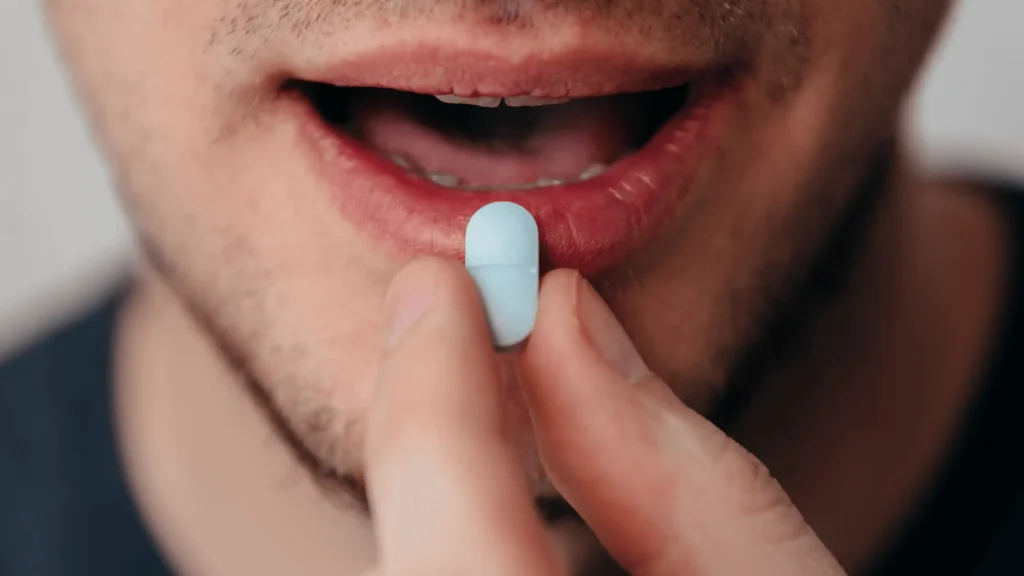
Understanding the link between mental health and substance use disorders is crucial for anyone navigating the challenges of addiction. These two issues often intertwine, creating a cycle that can be difficult to break without the right support. Mental health conditions like anxiety, depression, or trauma can sometimes drive substance use as a way to cope with overwhelming emotions.
At the same time, substance use can exacerbate or even trigger mental health struggles, further complicating recovery. By exploring this complex relationship, we can shed light on how these challenges influence one another and discuss strategies for addressing both to support long-term healing.
How Mental Health Disorders Contribute to Substance Use
Mental health disorders like anxiety, depression, and trauma significantly contribute to the development of substance use behaviors. These conditions often create intense feelings of distress, helplessness, or emotional overwhelm, leading individuals to seek relief through substances such as alcohol or drugs. For instance, people with anxiety may turn to substances to ease chronic worry, while those with depression may use them to momentarily lift feelings of sadness or numb emotional pain. Trauma survivors, particularly, are at heightened risk, as they often grapple with intrusive memories and heightened stress responses, which substances may temporarily dampen.
This dynamic reflects a form of self-medication, where substances are used as an attempt to manage symptoms. However, this strategy is counterproductive. Over time, substance use can exacerbate underlying mental health conditions, reinforcing a damaging cycle of dependence and emotional instability. Studies confirm the strong correlation between these issues, underscoring how untreated mental health disorders often serve as a gateway to addiction.
Recognizing this connection is crucial for recovery. Effective treatment must address both the mental health condition and substance use disorder together, using integrated care approaches like therapy, medication, and stress-management techniques. By understanding the root causes, individuals can access more tailored support and work toward meaningful healing.
Related: The Link Between Smoking and Chronic Pain: Can Nicotine Cessation Help?
Substance Use and Its Impact on Mental Health

Substance use profoundly affects mental health, often worsening existing conditions or creating new challenges. Regular misuse of substances like drugs or alcohol disrupts brain chemistry, causing emotional and cognitive consequences that impact daily functioning. Understanding these effects can empower individuals to recognize the depth of the issue and seek appropriate help. Key impacts include:
- Increased Anxiety and Depression – Substance use may intensify feelings of nervousness or despair. Alcohol, for example, acts as a depressant that slows brain activity, potentially worsening depressive symptoms. Similarly, stimulants like cocaine can heighten anxiety, especially during withdrawal.
- Cognitive Impairments – Regular substance use can lead to memory problems, impaired decision-making, and reduced focus. Long-term abuse might even cause lasting structural changes in the brain, making emotional regulation more challenging.
- Worsened Emotional Resilience – Substance misuse can lower the ability to cope with stress, leading to emotional instability. This often creates a reinforcing cycle where substances are used more frequently to avoid unpleasant emotions.
- Development of Psychosis – Some substances, like hallucinogens or synthetic drugs, can lead to episodes of paranoia or hallucinations. For those with predispositions, this may trigger severe mental health disorders.
Addressing these impacts requires integrated care to support both mental health and addiction recovery, helping individuals regain stability and well-being.
The Vicious Cycle: How Mental Health and Addiction Reinforce Each Other
Mental health challenges and addiction often create a self-perpetuating cycle that can be difficult to break. This vicious cycle occurs when mental health symptoms, such as anxiety, depression, or PTSD, drive individuals toward substance use in an attempt to numb emotional pain or gain temporary relief. However, the use of substances can worsen these underlying issues over time, either by intensifying feelings of despair, creating new emotional problems, or disrupting the brain’s ability to regulate emotions properly.
For instance, alcohol, a depressant, might initially seem to ease symptoms of anxiety but eventually deepens depression or leads to dependency. Similarly, stimulant drugs might offer a temporary escape from low energy or negative thoughts but heighten overall stress and emotional volatility during withdrawal. Combined, these factors solidify the cycle, making it harder for an individual to regain control. Studies emphasize that this dynamic doesn’t just worsen mental health and addiction but also fosters feelings of helplessness and isolation, which can discourage individuals from seeking help.
Breaking this cycle requires an integrated approach to treatment that addresses both the addiction and underlying mental health struggles. This dual focus allows individuals to understand the triggers driving their behavior, develop healthier coping mechanisms, and move toward lasting recovery and emotional balance.
Common Co-Occurring Disorders in Substance Use and Mental Health
Common co-occurring disorders in substance use and mental health are frequently observed and present unique challenges for individuals in recovery. These diagnoses not only exacerbate substance use but also complicate treatment when left unaddressed. Below are several mental health disorders that commonly co-occur with substance use disorders:
- Depression: Individuals with depression often use substances to numb persistent feelings of sadness, hopelessness, or exhaustion. However, substance use can worsen depressive symptoms, reinforcing the cycle of addiction and emotional instability.
- Anxiety Disorders: Disorders like generalized anxiety disorder or panic disorder can push individuals towards substance use in an attempt to alleviate constant worry or fear. While substances may temporarily relieve symptoms, they often intensify anxiety in the long term, especially during withdrawal.
- Post-Traumatic Stress Disorder (PTSD): For those experiencing PTSD due to trauma, substance use can become a method of coping with intrusive memories or heightened stress responses. Substances may dull these experiences temporarily but can hinder emotional healing over time.
- Bipolar Disorder: The extreme mood swings associated with bipolar disorder often lead individuals to self-medicate with drugs or alcohol. However, these substances can disrupt mood stability, making episodes of mania and depression more severe.
Addressing co-occurring disorders together through integrated, specialized care improves outcomes by targeting the interplay between mental health and addiction.
Coping Mechanisms Gone Wrong: Turning to Substances for Relief

When individuals face overwhelming stress, trauma, or unresolved mental health issues, they often seek relief through coping mechanisms. Unfortunately, for many, this search for comfort can lead them to substances like alcohol or drugs. Substances may initially appear to provide a reprieve—numbing emotional pain, silencing intrusive thoughts, or creating a temporary sense of control. However, this form of coping is maladaptive and frequently worsens the very issues it was meant to alleviate.
The use of substances as a coping strategy often disrupts natural emotional regulation. Instead of learning healthier ways to manage stress or trauma, individuals become reliant on external chemicals. Over time, this reliance can spiral into dependency, making it harder to stop even when negative consequences emerge. For example, people experiencing severe anxiety may misuse alcohol to calm themselves, only to experience worsened anxiety during withdrawal. Similarly, those living with post-traumatic stress disorder (PTSD) may turn to drugs as an escape, but prolonged use interferes with genuine emotional healing.
This cycle of misuse and dependency can deepen feelings of hopelessness and exacerbate mental health symptoms. Breaking free demands not only addressing the addiction itself but also offering therapeutic interventions to develop healthier, sustainable coping strategies for long-term recovery and well-being.
Breaking the Cycle: Integrated Treatment Approaches
Integrated treatment approaches are essential for breaking the cycle of co-occurring mental health and substance use disorders. These approaches address both conditions simultaneously, increasing the chances of long-term recovery and emotional stability. By using evidence-based methods, individuals gain the tools needed to heal holistically. Below are key elements of integrated treatment:
- Therapy: Evidence-based therapies like cognitive behavioral therapy (CBT) or dialectical behavior therapy (DBT) are instrumental in helping individuals identify and change harmful thought patterns. These therapies also teach healthier coping strategies to manage both mental health symptoms and addiction triggers.
- Medication: Medications, such as antidepressants or anti-anxiety drugs, can stabilize mood and reduce cravings. When carefully prescribed and monitored, they support individuals in managing the underlying mental health conditions that contribute to substance dependency.
- Support Systems: Peer support groups, family education programs, and group therapy create a strong network of encouragement. These systems make recovery more manageable by fostering accountability and connection.
If you’re ready to take the next step in your recovery, the Revival Recovery Center, located in Highland, Michigan, offers specialized care led by family nurse practitioner Lisa Perna. Combining integrated treatment with compassionate support, this center helps you reclaim control and work toward long-lasting wellness.