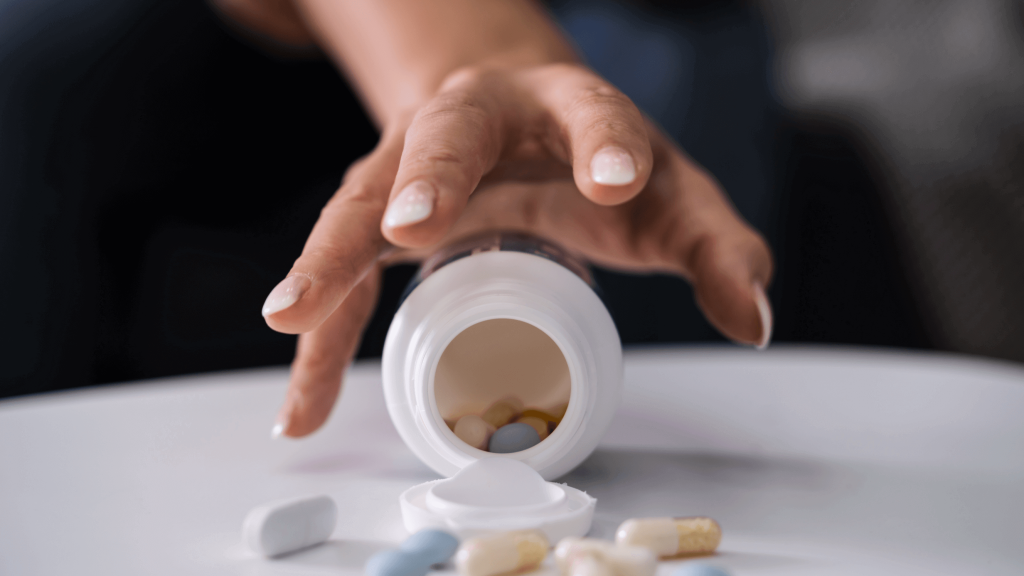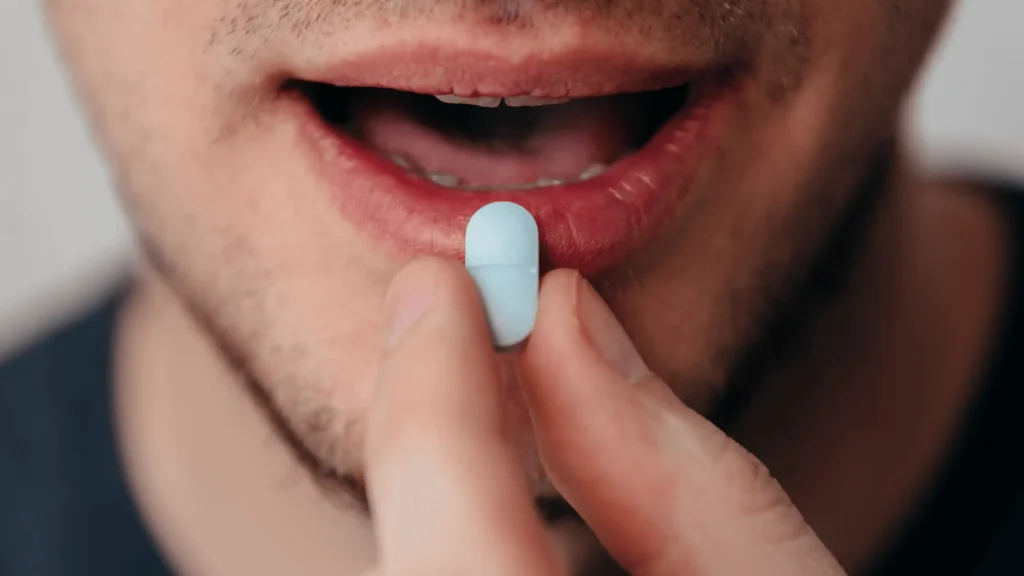
Suboxone is a prescription medication used to treat opioid addiction by reducing cravings and preventing withdrawal symptoms without producing the same intense high as drugs like heroin or oxycodone. Suboxone combines two medications—buprenorphine and naloxone—to stabilize brain chemistry and lower the risk of misuse. When used as part of a comprehensive treatment plan, suboxone helps individuals safely transition from active opioid use to long-term recovery.
Opioid addiction is a chronic medical condition that affects brain chemistry, behavior, and overall health. For individuals seeking recovery, medication-assisted treatment (MAT) has become one of the most effective, evidence-based approaches available. At Revival Recovery Center, understanding how suboxone works is an important step toward making informed decisions about treatment.
Suboxone is widely used in modern addiction medicine because it addresses both the physical and psychological aspects of opioid dependence. Rather than simply replacing one drug with another, suboxone helps stabilize the brain, reduce cravings, and minimize withdrawal symptoms so individuals can focus on counseling, therapy, and rebuilding their lives. Whether you are exploring treatment for yourself or a loved one, understanding how this medication functions can provide clarity and reassurance about the recovery process.
What Is Suboxone and What Is It Made Of?
Suboxone is a prescription medication specifically approved for the treatment of opioid use disorder. It is commonly administered as a dissolvable film or tablet placed under the tongue. The effectiveness of suboxone comes from its two active ingredients: buprenorphine and naloxone.
Buprenorphine is a partial opioid agonist. This means it attaches to the same opioid receptors in the brain as drugs like heroin, morphine, and oxycodone, but it activates them in a much weaker way. This controlled activation reduces withdrawal symptoms and cravings without producing the intense euphoria associated with full opioids. Because it has a “ceiling effect,” increasing the dose does not create stronger euphoric effects, which lowers the risk of misuse and overdose.
Naloxone is an opioid antagonist. It is included primarily as a safety measure. If someone attempts to misuse suboxone by injecting it, naloxone can trigger withdrawal symptoms, discouraging abuse. When taken as prescribed under the tongue, naloxone has minimal effect because it is poorly absorbed that way.
Together, these two ingredients make suboxone a balanced and carefully designed medication. For individuals entering treatment, suboxone provides a medically supervised way to manage the physical challenges of opioid withdrawal while supporting long-term recovery goals.
Related: Understanding Depression in Adolescents: Early Warning Signs Parents Shouldn’t Miss
How Does Suboxone Reduce Cravings and Withdrawal Symptoms?
One of the most difficult barriers to recovery from opioid addiction is managing withdrawal symptoms and intense cravings. Suboxone works by interacting directly with opioid receptors in the brain, stabilizing them without overstimulating them.
When someone stops using opioids abruptly, the brain experiences a sudden drop in receptor activation. This leads to symptoms such as muscle aches, nausea, anxiety, insomnia, sweating, and powerful drug cravings. Suboxone helps prevent this crash. Because buprenorphine partially activates opioid receptors, it provides enough stimulation to relieve withdrawal symptoms while avoiding the dangerous highs and lows of full opioid use.
Another key benefit of suboxone is its long duration of action. A single dose can last 24 hours or more, allowing for once-daily dosing in most cases. This steady level of medication reduces the cycle of intoxication and withdrawal that often drives continued drug use.
By minimizing cravings and discomfort, suboxone allows individuals to focus on therapy, support groups, and behavioral treatment. Instead of spending each day battling physical symptoms, patients can begin addressing the emotional and psychological aspects of addiction. This stabilization is a crucial early step in building a sustainable recovery plan.
Related: Sublocade Treatment at Revival Recovery Center: A Modern MAT Option
Is Suboxone Replacing One Addiction With Another?
A common concern about medication-assisted treatment is whether taking suboxone simply substitutes one opioid for another. This misunderstanding can prevent people from seeking effective treatment.
There are important differences between suboxone and addictive opioids:
- Suboxone produces significantly weaker opioid effects due to buprenorphine being a partial agonist.
- It has a ceiling effect, which limits euphoria and reduces overdose risk.
- It is taken in controlled, prescribed doses under medical supervision.
- It stabilizes brain chemistry rather than causing cycles of intoxication.
Addiction is characterized by compulsive use despite harm, loss of control, and cravings that disrupt daily life. When used properly, suboxone does not create the chaotic behaviors associated with addiction. Instead, it restores stability and allows individuals to function normally.
Patients taking suboxone as prescribed can work, care for their families, and participate fully in therapy. For many people, it acts as a bridge to long-term recovery rather than a permanent crutch. In a professional treatment setting, dosing is carefully managed and regularly evaluated to ensure the medication supports—not replaces—recovery.
Understanding this distinction is essential. Suboxone is a medical treatment for a chronic condition, not a continuation of substance abuse.
Related: How to Support a Loved One with Panic Disorder
How Is Suboxone Treatment Structured in Recovery Programs?
Suboxone treatment is most effective when it is part of a comprehensive recovery plan rather than a stand-alone solution. In a structured clinical setting, medication is combined with counseling, behavioral therapy, and ongoing medical supervision.
Treatment with suboxone typically follows several stages:
- Induction Phase – The medication is started once mild withdrawal begins. This ensures it attaches properly to opioid receptors without triggering sudden withdrawal.
- Stabilization Phase – Doses are adjusted to eliminate cravings and withdrawal symptoms while minimizing side effects.
- Maintenance Phase – The patient continues on a steady dose while engaging in therapy and rebuilding daily routines.
During treatment, medical providers monitor progress, adjust dosages if necessary, and address any side effects. Regular counseling sessions help patients develop coping skills, repair relationships, and build relapse prevention strategies.
Suboxone supports physical stabilization, but long-term success depends on addressing the behavioral and emotional components of addiction. Comprehensive programs ensure that patients receive both medication and therapeutic support, increasing the likelihood of sustained recovery.
Related: Understanding Sublocade: How It Works and Who It’s For
What Are the Benefits and Potential Side Effects of Suboxone?
Like any medication, suboxone has benefits and possible side effects. Understanding both allows patients to make informed decisions about treatment.
The primary benefit of suboxone is its ability to reduce opioid cravings and withdrawal symptoms, which significantly lowers the risk of relapse. It also reduces the likelihood of fatal overdose compared to continued illicit opioid use. Because it can be prescribed for home use, it offers flexibility while maintaining medical oversight.
Common side effects may include headache, nausea, constipation, sweating, and mild sleep disturbances. These symptoms are generally manageable and often decrease as the body adjusts. Serious side effects are uncommon when the medication is taken as directed, but medical supervision remains essential.
For most individuals struggling with opioid addiction, the risks of untreated substance use disorder far outweigh the manageable side effects of suboxone. When integrated into a comprehensive treatment plan, it serves as a powerful tool in restoring health and stability.
Who Is a Good Candidate for Suboxone Treatment?
Suboxone is typically recommended for individuals diagnosed with opioid use disorder involving substances such as heroin, fentanyl, or prescription painkillers. It is appropriate for people experiencing physical dependence who want to reduce cravings and avoid severe withdrawal.
A good candidate for suboxone treatment generally:
- Has a history of opioid dependence
- Is motivated to participate in counseling or behavioral therapy
- Is willing to follow medical guidance and prescription instructions
- Does not have medical conditions that would interfere with treatment
Suboxone may not be suitable for everyone. A thorough medical and psychological evaluation helps determine the safest and most effective course of treatment.
Medical providers assess each individual’s health history, substance use patterns, and recovery goals to create a personalized treatment plan. When used appropriately, suboxone can be a life-changing component of long-term recovery.
Frequently Asked Questions
How long do people stay on suboxone?
The length of suboxone treatment varies. Some individuals use it for months, while others may remain on maintenance treatment longer, depending on their recovery progress and medical guidance.
Can you overdose on suboxone?
Suboxone has a ceiling effect that lowers overdose risk compared to full opioids. However, combining it with alcohol or certain medications can increase danger, so medical supervision is essential.
Does suboxone show up on drug tests?
Standard drug tests do not usually screen for suboxone unless specifically requested. Treatment programs may monitor it to ensure proper use.
Is Suboxone treatment covered by Medicaid?
In many cases, yes. Medicaid often covers Suboxone as part of medication-assisted treatment for opioid use disorder. Coverage may require prior authorization, and Revival Recovery Center assists patients in verifying benefits and navigating the approval process.
Can Suboxone treatment be started through telehealth?
Initial evaluations and follow-up care may be supported through telehealth, depending on clinical guidelines and patient needs. A medical assessment determines the safest and most appropriate way to begin treatment.
Where is Suboxone treatment available through Revival Recovery Center?
Suboxone treatment is provided at Revival Recovery Center in Highland, Michigan. Virtual appointment options may also be available to increase accessibility based on clinical evaluation.
If you or a loved one is struggling with opioid addiction, Revival Recovery Center is here to help. Located in Highland, Michigan, our team provides compassionate, evidence-based treatment tailored to your unique needs. We also offer Virtual Appointments in Brighton, Michigan, making access to care more convenient and flexible.
Lisa Perna is a board-certified nurse practitioner specializing in addiction medicine and behavioral health. With expert medical oversight and a commitment to individualized care, Revival Recovery Center can guide you through safe and effective suboxone treatment.
Contact Revival Recovery Center today to begin your journey toward lasting recovery.