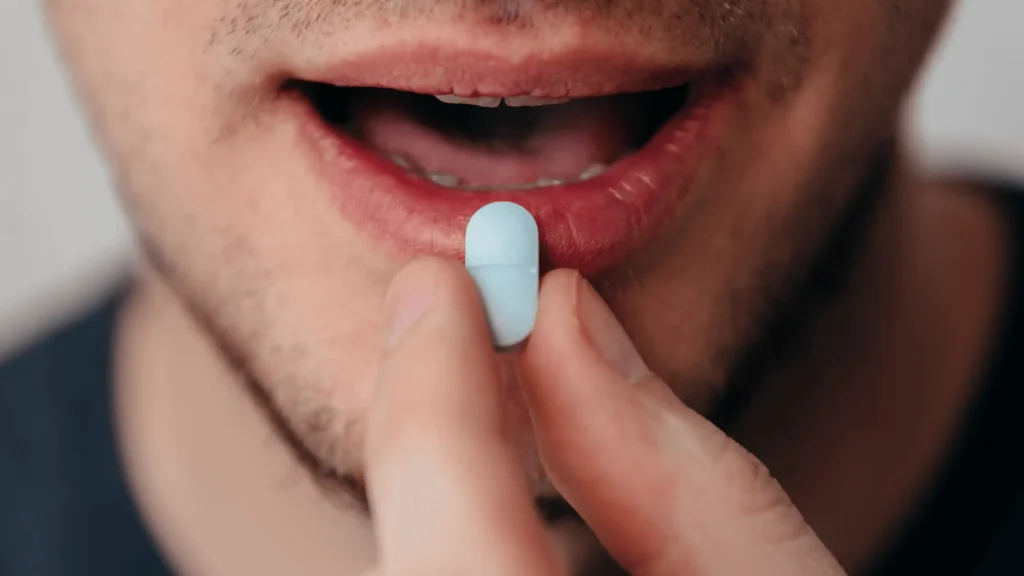
Opioid addiction is a growing concern across all age groups, but its rise among adolescents has become especially alarming for families and communities. As a parent, understanding the risks, signs, and prevention strategies related to opioid addiction is critical to safeguarding your child’s future. Teens today face unprecedented exposure to prescription painkillers, synthetic opioids like fentanyl, and other illicit substances—often without fully grasping their dangers.
This blog will guide parents through the essential information they need to know about opioid addiction. From recognizing early warning signs to understanding how opioids affect a developing brain, our goal is to equip you with the knowledge to protect and support your child. Whether you’re facing this issue head-on or want to stay informed for prevention, this guide offers valuable insights tailored to today’s parenting challenges.
What Are Opioids and Why Are They So Addictive?
Opioids are a class of drugs that include prescription pain relievers like oxycodone, hydrocodone, morphine, and fentanyl, as well as illegal drugs like heroin. These substances are highly effective at reducing pain but are also extremely addictive due to how they interact with the brain’s reward system.
When someone takes an opioid, the drug binds to receptors in the brain and body, reducing the perception of pain and triggering a powerful sense of pleasure or euphoria. This release of dopamine reinforces the behavior, making the person want to repeat it. Over time, the brain begins to rely on the drug to feel normal, leading to tolerance, dependence, and eventually addiction.
For adolescents, the risk is even higher. Their brains are still developing, particularly in areas that control decision-making and impulse regulation. This makes them more susceptible to risky behaviors and poor judgment, including experimenting with substances like opioids. Even short-term use can quickly spiral into a dangerous cycle of dependence.
Understanding what opioids are and how they work is the first step in recognizing the threat they pose to teens. Parents who are informed about the science of addiction are better equipped to spot issues early and guide their children away from harm.
Related: Overcoming Fear of Judgment: Tools for Social Anxiety Recovery
Common Pathways to Opioid Addiction in Teens
Adolescents can develop opioid addiction through several different pathways, and many of them begin innocently. One of the most common is through prescribed pain medication. A teen who receives opioids after a sports injury, dental surgery, or other medical procedure might continue using the drug longer than necessary or misuse leftover pills. This initial exposure can lead to misuse, especially if the teen enjoys the euphoric effects.
Another pathway is through peer influence. Teens often experiment with substances in social settings to fit in or cope with stress, anxiety, or depression. Opioids are sometimes passed around at parties or offered by friends, and their highly addictive nature means even one-time use can lead to further abuse.
In recent years, counterfeit pills laced with synthetic opioids like fentanyl have also become more common. These pills are often sold on social media or through online platforms and may look like legitimate prescription drugs, but they can be deadly even in small doses.
Understanding how teens are exposed to opioids helps parents stay vigilant and take proactive steps. Open communication, secure medication storage, and setting clear expectations about drug use can all reduce the risk of addiction.
Related: Understanding Treatment-Resistant Depression and New Therapies
Warning Signs of Opioid Use in Adolescents
Recognizing the early signs of opioid use in teens can make a critical difference in intervention and recovery. Many symptoms may mimic typical adolescent behavior, so it’s important to watch for patterns and trust your instincts as a parent.
Key warning signs include:
- Sudden changes in mood, such as irritability, depression, or anxiety
- A noticeable drop in school performance or loss of interest in hobbies
- Changes in sleep patterns, including excessive drowsiness or insomnia
- Pinpoint pupils, frequent nosebleeds (from snorting), or unexplained weight loss
- Disappearing prescriptions or missing pills from the medicine cabinet
- Withdrawal from family and friends or secretive behavior
- Unexplained need for money or theft from family members
Parents who notice these warning signs should approach the situation with care and concern rather than anger. Early intervention is key to preventing deeper addiction and long-term consequences.
Related: Breaking Free from Avoidance Behaviors in Panic Disorder
How Opioids Affect the Teenage Brain
The adolescent brain is undergoing rapid development, especially in the prefrontal cortex, which is responsible for judgment, impulse control, and decision-making. Opioid use during this critical time can disrupt normal brain growth and significantly impair cognitive and emotional development.
Opioids flood the brain with dopamine, creating an intense reward signal that overrides other healthy forms of motivation. Over time, this leads to a rewiring of the brain’s reward circuitry, making it harder for the teen to experience pleasure from everyday activities like sports, friendships, or academic success. This biological change reinforces continued drug use and increases dependency.
Additionally, opioid use can impair memory, attention, and learning—all essential functions during the teen years. These effects can persist even after the teen stops using, impacting academic performance and emotional stability. The risk of mental health disorders such as anxiety and depression also increases with opioid use, creating a dangerous cycle that’s hard to break.
Understanding these neurological impacts helps parents appreciate the urgency of prevention and the importance of early treatment if their teen is struggling with opioid addiction.
Related: How Exposure Therapy Can Help with Panic Disorder
Prevention Tips for Parents
Preventing opioid addiction starts at home. Parents play a pivotal role in shaping attitudes about drug use and creating a safe environment for teens to thrive.
Effective prevention strategies include:
- Open and honest communication: Talk regularly about the dangers of opioid use and encourage your teen to ask questions.
- Set clear expectations: Establish and enforce rules about drug and alcohol use, and explain the reasons behind them.
- Monitor prescription medications: Keep opioids locked away, count pills, and properly dispose of unused prescriptions.
- Model healthy behavior: Demonstrate responsible use of any medications and avoid using drugs or alcohol to cope with stress.
- Encourage healthy coping skills: Promote sports, arts, volunteering, and other positive outlets to manage stress and build confidence.
- Stay involved: Know your teen’s friends, monitor social media use, and stay engaged in their daily life.
By taking proactive steps, parents can significantly reduce the likelihood of their child experimenting with or becoming addicted to opioids.
Treatment Options for Adolescent Opioid Addiction
When a teen is struggling with opioid addiction, it’s crucial to seek help as early as possible. Treatment options vary depending on the severity of the addiction, the teen’s overall health, and the support system at home. A comprehensive, individualized plan tends to be the most effective.
Treatment often begins with an assessment by a healthcare provider or addiction specialist. This helps determine whether inpatient, outpatient, or intensive outpatient treatment is appropriate. In more serious cases, medically supervised detox may be necessary to manage withdrawal symptoms safely.
Therapy is a central component of recovery. Cognitive Behavioral Therapy (CBT), family therapy, and group counseling help teens understand the root causes of their addiction and build healthier coping mechanisms. Medication-Assisted Treatment (MAT) may also be recommended in certain cases, using FDA-approved medications like buprenorphine to reduce cravings and withdrawal symptoms.
Family involvement is vital. Parents who participate in counseling sessions and support groups are better equipped to help their teen through recovery. Aftercare programs and regular follow-up appointments can help prevent relapse and support long-term sobriety.
Opioid addiction among adolescents is a deeply concerning issue, but parents are not powerless. With the right knowledge, vigilance, and support systems, you can play a pivotal role in protecting your child and helping them recover if addiction takes hold.
If you suspect your teen is struggling with opioid use or you’re looking for professional guidance, Revival Recovery Center in Highland, Michigan offers compassionate, evidence-based care tailored specifically to adolescents and families.
Lisa Perna, a board-certified nurse practitioner specializing in addiction medicine and behavioral health, leads a team dedicated to helping young people find lasting recovery and renewed hope.
Don’t wait to seek help. Reach out to Revival Recovery Center today and take the first step toward healing for your family.