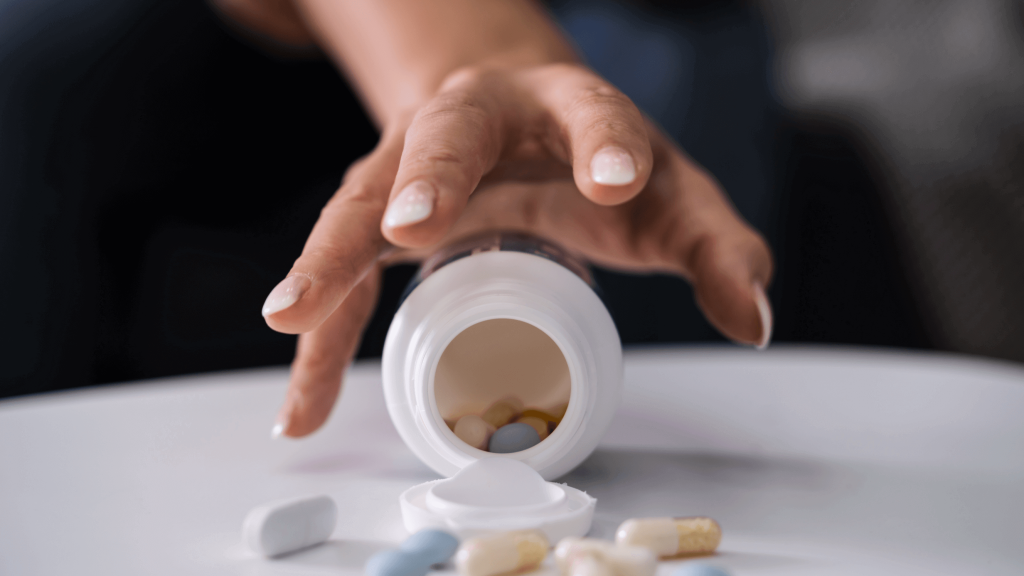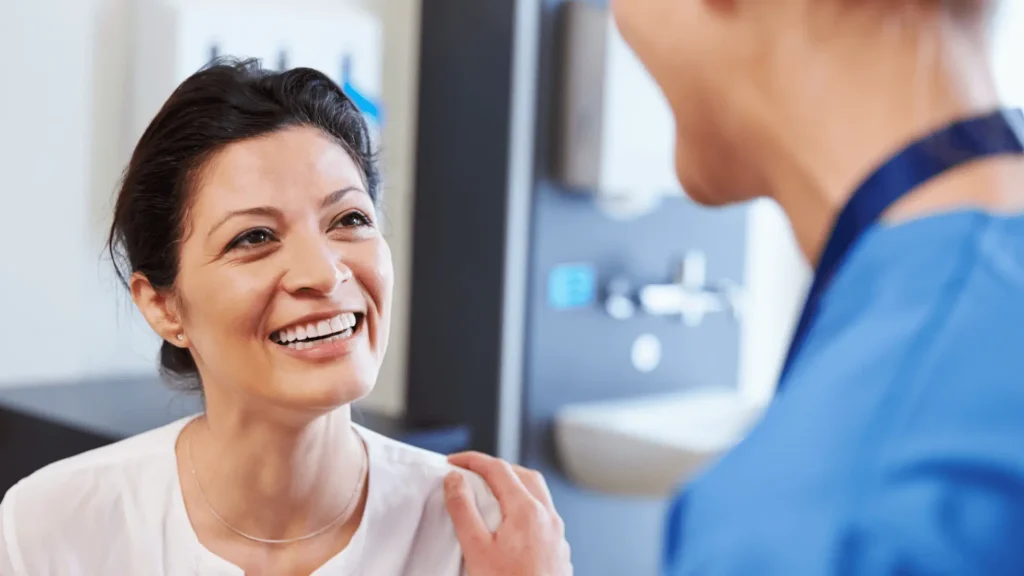
Depression is a serious and complex mental health condition, but what happens when traditional treatments don’t work? For many people, standard antidepressants and therapy bring relief. But for others, these treatments fall short, leaving them feeling stuck, frustrated, and hopeless. This condition is known as treatment-resistant depression, and it affects millions of people around the world.
If you or someone you care about is struggling with depression that hasn’t improved after multiple treatments, understanding what treatment-resistant depression means—and what new options are available—can be the first step toward real hope. In this blog, we’ll explore what makes depression treatment-resistant, why it happens, and the latest breakthroughs that are offering new possibilities for healing.
What Is Treatment-Resistant Depression?
Treatment-resistant depression (TRD) is diagnosed when a person with major depressive disorder does not respond to at least two different antidepressant treatments taken at an adequate dose and duration. In simpler terms, it means that conventional approaches like medication or talk therapy haven’t provided sufficient relief.
TRD isn’t a separate mental illness, but a more persistent form of depression that doesn’t respond easily to standard care. People with TRD often experience ongoing sadness, fatigue, sleep problems, low motivation, and feelings of worthlessness—even while under medical treatment. This can lead to a sense of failure or despair, which makes the condition even harder to manage emotionally.
It’s important to recognize that TRD is more common than many realize. An estimated 30% of people with depression will not respond fully to traditional treatments. However, being labeled as “treatment-resistant” doesn’t mean recovery is impossible. It simply signals the need for a more tailored and often more intensive approach to care.
Understanding TRD is the first step in moving beyond the limitations of basic treatment options. With new therapies and research-driven strategies, there is growing hope for people who haven’t found relief through conventional methods.
Related: Breaking Free from Avoidance Behaviors in Panic Disorder
Common Causes and Risk Factors
Several underlying factors can contribute to treatment-resistant depression, and identifying these can help guide more effective treatment strategies. One common factor is misdiagnosis. Conditions like bipolar disorder, anxiety disorders, or even chronic physical illnesses can mimic depression and interfere with treatment success.
Genetics also play a key role. Some people may have a biological makeup that affects how their brain processes antidepressants or responds to certain therapies. This can make it harder for standard medications to be effective, even when used properly.
Psychological and social factors also contribute. Past trauma, unresolved grief, chronic stress, and a lack of supportive relationships can all create barriers to recovery. Additionally, co-occurring substance abuse can significantly impact how depression manifests and how well it responds to treatment.
Another major issue is medication tolerance or improper dosage. Sometimes, antidepressants aren’t prescribed at the right strength or for a long enough period, leading to an incomplete treatment response. In other cases, patients may stop taking medications prematurely due to side effects.
Ultimately, treatment-resistant depression is rarely caused by one single factor. It often results from a combination of biological, psychological, and lifestyle influences, making a comprehensive treatment plan essential.
Related: How Exposure Therapy Can Help with Panic Disorder
New and Emerging Therapies
As our understanding of depression grows, so do the treatment options available to those with treatment-resistant depression. In recent years, several innovative therapies have emerged that offer new hope when traditional methods fall short.
- Ketamine and Esketamine (Spravato®): Ketamine, originally used as an anesthetic, has shown rapid antidepressant effects. Esketamine, a nasal spray derived from ketamine, is FDA-approved for TRD and is administered in a clinical setting.
- Transcranial Magnetic Stimulation (TMS): This non-invasive procedure uses magnetic fields to stimulate nerve cells in the brain. TMS has been proven effective in people with depression that doesn’t respond to medications.
- Electroconvulsive Therapy (ECT): Though often misunderstood, ECT remains one of the most effective treatments for severe TRD. It involves controlled electrical stimulation to the brain while the patient is under anesthesia.
- Psychedelic-Assisted Therapy: Clinical trials using substances like psilocybin (found in “magic mushrooms”) show promise in helping patients break through depressive cycles when used under professional guidance.
- Vagus Nerve Stimulation (VNS): This surgically implanted device sends electrical signals to the brain via the vagus nerve and is approved for chronic TRD.
These therapies often work by targeting different mechanisms in the brain than traditional medications. While not every option is right for every person, exploring these therapies under medical supervision can open new pathways toward recovery.
Related: How Trauma Rewires the Brain and What You Can Do About It
Lifestyle Changes That Support Recovery
While medical treatment is essential for managing treatment-resistant depression, lifestyle changes can play a powerful supportive role. These changes may not replace professional care, but they can enhance the effectiveness of treatments and improve overall well-being.
Here are some impactful lifestyle strategies:
- Regular Exercise: Physical activity increases serotonin and endorphin levels, which help regulate mood. Even light activity like walking can make a difference.
- Balanced Nutrition: Nutrient-rich foods support brain function. Omega-3 fatty acids, leafy greens, and whole grains are especially helpful.
- Sleep Hygiene: Quality sleep is vital. Set a consistent bedtime, avoid screens before sleep, and limit caffeine in the evening.
- Mindfulness and Meditation: Practices like yoga, breathing exercises, and guided meditation help reduce stress and improve emotional regulation.
- Limit Alcohol and Drugs: These substances can interfere with both medication and mood stability.
- Establishing Routine: A structured day with consistent meals, activities, and rest can reduce feelings of chaos and improve motivation.
These adjustments may feel small, but they can have a meaningful impact when maintained consistently alongside medical treatments.
Related: Recognizing the Hidden Signs of Major Depression
How to Talk to Your Doctor About Treatment-Resistant Depression
Communicating effectively with your healthcare provider is crucial when dealing with treatment-resistant depression. Many people feel discouraged after failed treatments, but an honest, detailed conversation with your doctor can open the door to new solutions.
Begin by clearly explaining your full treatment history, including what medications you’ve tried, the dosages, how long you used them, and any side effects you experienced. Don’t downplay your symptoms—describe how they’ve impacted your daily life, relationships, and mental functioning.
If you feel your current plan isn’t working, ask about next steps. You might inquire about alternative medications, referral to a psychiatrist, or eligibility for therapies like TMS or ketamine. Be open to tracking your mood and symptoms in a journal or app to provide clear data during appointments.
Don’t hesitate to ask for a second opinion if you feel unheard or stuck. Remember, depression is a medical condition, and seeking comprehensive care is a sign of strength, not failure. Your voice is a vital part of your treatment team.
Coping Strategies for Individuals and Families
Living with treatment-resistant depression is challenging, not just for the person affected, but also for their loved ones. Building strong coping strategies can provide much-needed emotional stability and prevent burnout.
For individuals managing TRD:
- Focus on progress, not perfection. Healing isn’t linear.
- Break tasks into small, manageable steps to avoid overwhelm.
- Create a daily self-care plan to maintain structure and purpose.
For family members or caregivers:
- Educate yourself about TRD to reduce frustration and stigma.
- Offer non-judgmental support—listen more than you advise.
- Encourage treatment and offer to attend appointments if appropriate.
- Set boundaries to protect your own mental health.
Most importantly, remember that support systems matter. Whether it’s friends, family, peer groups, or professional counselors, staying connected can help everyone navigate the ups and downs of living with or supporting someone with TRD.
If you or someone you love is struggling with treatment-resistant depression, you’re not alone—and more importantly, you’re not out of options. At Revival Recovery Center in Highland, Michigan, we offer advanced, evidence-based therapies tailored for individuals who haven’t found relief through traditional approaches.
Our compassionate team is led by Lisa Perna, a board-certified nurse practitioner specializing in addiction medicine and behavioral health. With a personalized care model and a deep understanding of complex mental health conditions, we’re committed to helping you rediscover stability, purpose, and hope.
Reach out to Revival Recovery Center today and take the first step toward a brighter, healthier future.