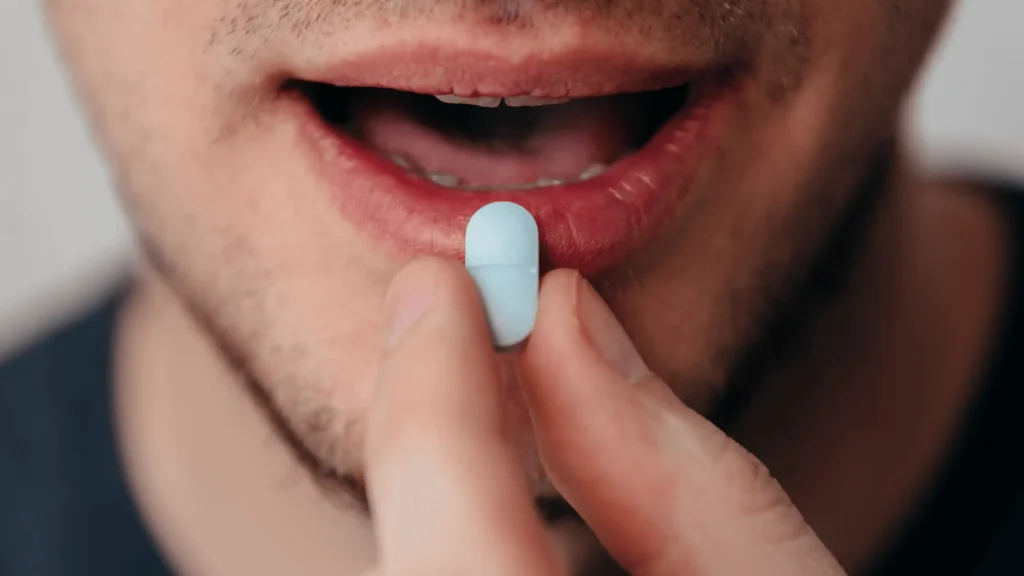
Suboxone has become a widely used medication in the treatment of opioid use disorder, helping thousands of individuals manage withdrawal symptoms and reduce cravings. But as its use becomes more common, many people are left wondering: Is Suboxone safe, especially over the long term? Whether you’re considering it for yourself or a loved one, understanding the safety and effectiveness of Suboxone is critical.
In this blog, we’ll take a closer look at what Suboxone is, how it works, and what the current research says about using it long-term. We’ll explore both the benefits and potential risks so you can make informed decisions about treatment options. If you’ve been searching for clear, reliable information about Suboxone, you’re in the right place.
What Is Suboxone and How Does It Work?
Suboxone is a prescription medication used primarily to treat opioid use disorder (OUD). It is a combination of two active ingredients: buprenorphine and naloxone. Buprenorphine is a partial opioid agonist, meaning it activates the same receptors in the brain as other opioids like heroin or oxycodone—but to a much lesser extent. This helps reduce cravings and withdrawal symptoms without producing the intense euphoria associated with opioid misuse. Naloxone, on the other hand, is an opioid antagonist. Its role in Suboxone is primarily to deter misuse; if the medication is injected rather than taken as prescribed (sublingually), naloxone will block opioid effects and may induce withdrawal.
This dual-action formula makes Suboxone highly effective in supporting recovery. It helps stabilize brain chemistry, allowing individuals to focus on therapy, work, and rebuilding their lives. The medication is typically used as part of a broader treatment plan that may include counseling and behavioral therapy.
By reducing the physiological dependence on opioids, Suboxone provides a safer pathway toward long-term recovery. It’s not a “cure” for addiction, but it is a powerful tool in the recovery process. Understanding how it works is essential for anyone considering this option for themselves or someone they care about.
Related: Physical Symptoms of GAD That Might Surprise You
Benefits of Long-Term Suboxone Use in Recovery
Long-term use of Suboxone has proven to be a key factor in the sustained recovery of many individuals dealing with opioid addiction. When used as part of a comprehensive treatment program, Suboxone provides a number of important benefits that go beyond just managing withdrawal.
One of the most significant advantages is its ability to reduce the risk of relapse. Research shows that individuals who remain on Suboxone for a year or more are significantly less likely to return to illicit opioid use compared to those who discontinue too early. This extended treatment period gives the brain time to heal and allows the individual to build a stable, drug-free lifestyle.
Another important benefit is improved quality of life. Patients on Suboxone often report better mental clarity, fewer cravings, and increased participation in daily activities such as work, school, and family life. Suboxone also allows for outpatient treatment, which means individuals can receive care without disrupting their daily routines.
Additionally, long-term Suboxone treatment is associated with a lower risk of overdose, especially when compared to individuals who relapse after detoxing completely. Because Suboxone occupies opioid receptors, it can block or diminish the effects of stronger opioids, providing a kind of “safety net.”
In short, while long-term use may not be for everyone, it offers strong protective benefits that should not be overlooked in discussions about recovery.
Related: Social Anxiety in the Age of Social Media
Potential Risks and Side Effects of Prolonged Suboxone Use
Like any long-term medication, Suboxone use is not without its risks. While many patients tolerate the medication well, prolonged use can lead to both physical and psychological side effects that should be monitored by healthcare professionals.
Physically, Suboxone can cause constipation, headaches, insomnia, and, in some cases, hormonal imbalances that affect testosterone levels in men and menstrual cycles in women. Some individuals may also experience dental issues, such as tooth decay or gum disease, especially when the sublingual tablets or films are not used correctly. Maintaining good oral hygiene and regular dental checkups can help reduce this risk.
From a psychological perspective, some patients develop a dependence on Suboxone itself. While it’s far less dangerous than illicit opioid use, dependence means the body is still relying on an opioid to function. This becomes a consideration when someone is ready to taper off. There’s also the emotional aspect—some individuals feel stigmatized for using Suboxone, even though it’s a medically approved treatment.
It’s important to distinguish between dependence and addiction. Being dependent on a medication doesn’t necessarily mean a person is addicted or misusing it. In many cases, the benefits of staying on Suboxone outweigh the risks, especially when the alternative could be a return to harmful drug use. Still, ongoing medical supervision is essential for managing long-term safety.
Related: How Genetics and Environment Influence Depression Risk
Common Misconceptions About Suboxone
There are many myths surrounding Suboxone that can prevent people from seeking the help they need. Let’s clear up a few of the most common ones:
- “Suboxone is just replacing one addiction with another.”
This is a misunderstanding. Suboxone is a treatment, not a substitute addiction. It stabilizes brain chemistry and helps people regain control of their lives. - “You’re not really sober if you’re on Suboxone.”
Recovery isn’t one-size-fits-all. Being sober includes using medications that support health and function, just like any other chronic condition. - “Suboxone is dangerous long-term.”
While there are risks, current research shows that long-term Suboxone use is safer than repeated cycles of relapse and withdrawal. - “Only people who can’t ‘tough it out’ need Suboxone.”
This stigma ignores the medical realities of opioid addiction, which often require structured and evidence-based interventions like Suboxone.
Understanding the facts can help reduce shame and encourage more people to seek treatment.
Related: The Link Between PTSD and Substance Use Disorders
What Recent Research Says About Suboxone’s Safety
Recent studies have reinforced the safety and effectiveness of Suboxone, particularly when used under medical supervision. Long-term use is increasingly supported by addiction specialists as a valid component of ongoing recovery, especially for individuals with a history of relapse or severe opioid dependence.
Clinical research has shown that Suboxone is associated with decreased mortality rates among people with opioid use disorder. It reduces the likelihood of fatal overdose, lowers the risk of contracting infectious diseases linked to injection drug use, and improves overall health outcomes. In fact, one of the most compelling findings is that patients who stay on Suboxone for extended periods (12 months or longer) tend to have better treatment retention and long-term success.
Studies also show that tapering too early increases the likelihood of relapse. This supports the idea that Suboxone may be most beneficial when treated as a long-term medication rather than a short-term detox tool.
Although long-term safety data is still being collected, current evidence strongly favors the continued use of Suboxone for individuals who benefit from it. The key is proper monitoring by a qualified healthcare provider to adjust dosage and track any emerging side effects. This research-backed approach gives patients a better chance at lasting recovery.
Tapering Off Suboxone: Is It Necessary?
The decision to taper off Suboxone is deeply personal and should be guided by a healthcare provider. There is no “one-size-fits-all” timeline for stopping the medication, but here are some key points to consider:
- Tapering is not always necessary. Some people benefit from staying on Suboxone long-term, especially if it helps them maintain a stable, drug-free life.
- Timing matters. Tapering too early—especially in the first year of recovery—can increase the risk of relapse.
- Slow tapers are more successful. Reducing the dosage gradually over several months or even years tends to result in better outcomes than abrupt cessation.
- Emotional readiness is critical. Mental health support, counseling, and lifestyle stability all play important roles in the tapering process.
- Withdrawal can happen. Even with a gradual taper, some people experience symptoms like anxiety, fatigue, or insomnia, which should be managed by a doctor.
Ultimately, the goal of tapering should be to preserve recovery—not to rush toward being “medication-free” at the expense of stability.
If you or a loved one is struggling with opioid addiction and wondering whether Suboxone is the right path forward, it’s important to consult with experienced professionals who understand the full picture of addiction and recovery. At Revival Recovery Center in Highland, Michigan, we specialize in personalized treatment plans that include evidence-based therapies and medication-assisted treatment like Suboxone.
Lisa Perna, a board-certified nurse practitioner specializing in addiction medicine and behavioral health, leads our clinical team with compassion and expertise. She works closely with each patient to develop a recovery plan that supports both immediate needs and long-term goals.
Your journey to recovery doesn’t have to be confusing or overwhelming. Reach out to Revival Recovery Center in Highland, Michigan today and take the first step toward a healthier, more stable future.