Opioid use disorder (OUD) is a chronic condition that affects millions of people around the world. It’s marked by a compulsive urge to use opioids despite harmful consequences. Managing and overcoming this disorder is a complex journey, but effective treatment options are available—and one of the most widely used is a medication called Suboxone.
Suboxone is a prescription medication approved to treat opioid use disorder by reducing withdrawal symptoms and curbing cravings. It contains a combination of buprenorphine and naloxone, two substances that work together to stabilize brain chemistry and support long-term recovery. Understanding how Suboxone works, when it’s used, and how it fits into a broader treatment plan is essential for anyone affected by OUD.
Whether you’re exploring options for yourself or seeking to support a friend or family member, this guide will provide you with the foundational knowledge needed to make informed decisions about Suboxone as a treatment tool for opioid use disorder.
What Is Suboxone? A Breakdown of Its Ingredients and Purpose
Suboxone is a brand-name prescription medication designed specifically to treat opioid use disorder. It combines two key ingredients: buprenorphine and naloxone. Each component plays a unique role in the recovery process, working together to reduce cravings and prevent misuse.
Buprenorphine is a partial opioid agonist, which means it binds to opioid receptors in the brain but activates them less intensely than full agonists like heroin or prescription painkillers. This effect helps minimize withdrawal symptoms and cravings without producing the high associated with other opioids. It essentially stabilizes the brain’s chemical balance, allowing individuals to regain control over their behavior and emotions.
Naloxone, on the other hand, is an opioid antagonist. It blocks the effects of opioids and is included in Suboxone to discourage misuse. If someone tries to inject Suboxone to get high, naloxone kicks in and can cause immediate withdrawal symptoms, making misuse highly unpleasant and unlikely.
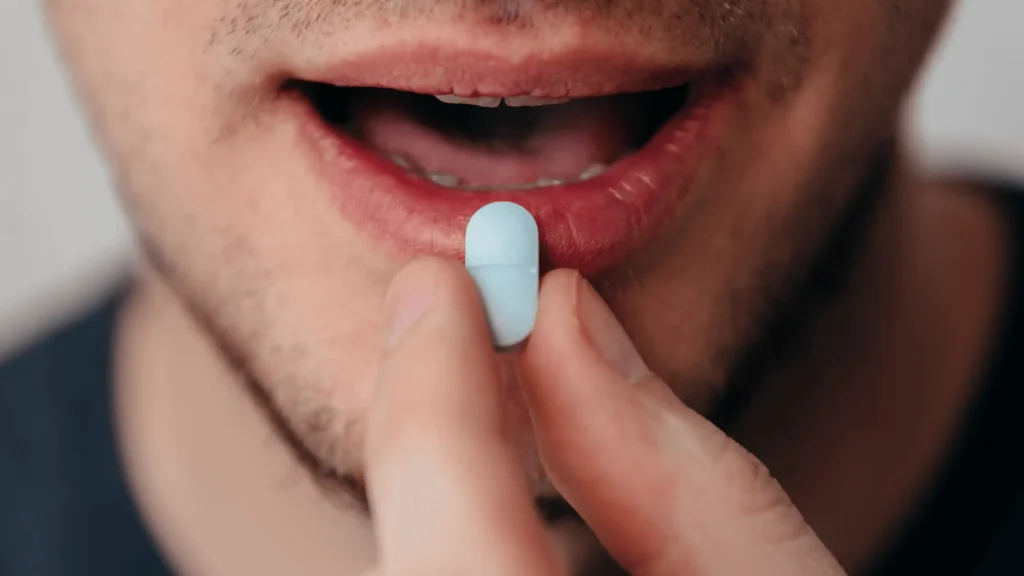
Suboxone is taken as a sublingual film or tablet, meaning it’s placed under the tongue where it dissolves. When used properly and under medical supervision, Suboxone can be an effective part of a long-term recovery plan, helping individuals rebuild their lives while minimizing the risk of relapse.
Related: The Silent Struggle: Living with Social Anxiety
How Suboxone Helps Treat Opioid Use Disorder
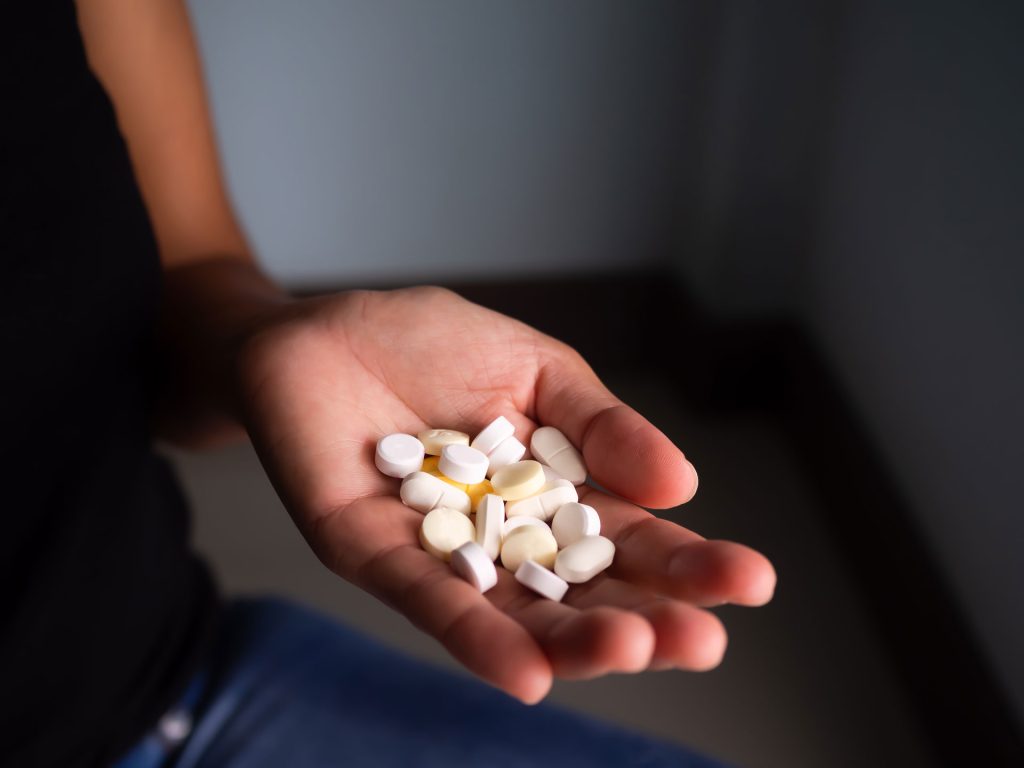
The main reason Suboxone is so effective in treating opioid use disorder is that it targets both the physiological and psychological aspects of addiction. Unlike some other treatment options, Suboxone doesn’t just focus on detox—it provides ongoing relief from cravings and withdrawal symptoms, making it easier for individuals to stay committed to recovery.
When a person stops using opioids, their body enters a state of withdrawal. This stage can involve severe discomfort, pain, anxiety, nausea, and other symptoms that make quitting feel impossible. Buprenorphine in Suboxone helps ease those symptoms by partially activating the same brain receptors that opioids do—but in a safer and more controlled way. It “fills the gap” without producing the euphoric high.
This allows individuals to feel physically and emotionally stable, which is crucial for engaging in therapy, building new habits, and staying away from substances. The naloxone component ensures that if someone attempts to misuse Suboxone, they will not experience a pleasurable effect—in fact, it will likely cause discomfort.
Overall, Suboxone gives patients a pathway to recovery that is both medically safe and psychologically supportive. It allows them to regain function, reduce the chaos in their lives, and focus on long-term healing with fewer disruptions caused by intense withdrawal or relapse.
Related: What Is GAD? Understanding Generalized Anxiety Disorder
Who Is a Good Candidate for Suboxone Treatment?
Not everyone with opioid use disorder will be prescribed Suboxone, but it’s a highly effective option for many individuals—particularly those who are physically dependent on opioids and are motivated to begin recovery.
Good candidates for Suboxone are typically adults who are actively using opioids or in early withdrawal. Physicians usually begin treatment after confirming mild-to-moderate withdrawal symptoms to avoid a condition called precipitated withdrawal, which can occur if Suboxone is taken too soon after opioid use.
People with a history of relapse or unsuccessful detox attempts may benefit from Suboxone as part of a longer-term strategy. It’s especially helpful for those who need to stabilize their lives—perhaps to return to work, care for children, or fulfill other responsibilities—while gradually reducing opioid dependence.
However, Suboxone isn’t appropriate for everyone. Individuals with severe liver conditions, certain mental health disorders, or allergies to buprenorphine or naloxone should explore alternative treatments. It’s also not typically recommended during pregnancy, though there are related options like Subutex that may be safer.
Ultimately, the decision to start Suboxone should be made in partnership with a medical provider, who can assess the patient’s history, physical condition, and goals for recovery.
Related: Depression and Substance Use: A Common but Treatable Combination
Common Myths and Misconceptions About Suboxone
Despite its effectiveness, Suboxone is often misunderstood. Here are some of the most common myths—and the truth behind them:
- Myth: “Suboxone just replaces one addiction with another.”
Truth: Suboxone helps manage a medical condition in a controlled way. It doesn’t produce the same high and allows individuals to function normally. - Myth: “If you use Suboxone, you’re not really clean.”
Truth: Recovery is about progress, not perfection. Using a prescribed, life-saving medication is not the same as abusing drugs. - Myth: “You’ll get addicted to Suboxone forever.”
Truth: Suboxone can be tapered off under medical supervision. Many people use it short-term, while others stay on it longer to prevent relapse. - Myth: “Suboxone is dangerous.”
Truth: Like all medications, Suboxone carries some risk—but when used properly, it’s far safer than continued opioid use.
Breaking down these myths is important, not just for patients but for families and communities who may unintentionally stigmatize the use of Suboxone in recovery.
Related: Can Therapy Really Help PTSD? A Look at Proven Options
What to Expect During Suboxone Treatment
Starting Suboxone treatment begins with an induction phase, usually under the supervision of a medical provider. This step involves waiting until a person begins to feel withdrawal symptoms—usually 12 to 24 hours after last opioid use—before taking the first dose. This timing helps avoid precipitated withdrawal and ensures that the medication works as intended.
Once the right dose is established, most people move into the maintenance phase, during which Suboxone is taken daily. The goal here is stability—reducing cravings and withdrawal symptoms so the individual can focus on rebuilding their life. Many patients notice an immediate reduction in anxiety, cravings, and physical discomfort within the first few days of treatment.
Over time, the dose may be adjusted based on progress, side effects, or lifestyle needs. Some people stay on Suboxone for months or even years, while others gradually taper off. The timeline varies widely based on the individual’s history, environment, and support system.
Side effects can include nausea, headache, constipation, or insomnia, though many of these symptoms fade as the body adjusts. Open communication with a healthcare provider is key to making sure treatment stays safe and effective.
The Role of Counseling and Support Alongside Suboxone
Medication alone is rarely enough to fully address opioid use disorder. Suboxone works best when paired with psychological and social support. Here are some key elements that can greatly improve outcomes:
- Individual therapy: Helps address the root causes of addiction, such as trauma, stress, or mental health disorders.
- Group counseling: Offers peer support and shared experiences that reduce feelings of isolation.
- Case management: Assists with housing, employment, and legal issues that may complicate recovery.
- Family support: Educates loved ones about OUD and promotes healthier relationship dynamics.
- 12-step programs or alternatives: Many people benefit from structured recovery communities that provide long-term encouragement.
These supportive services help patients make lasting changes in behavior, mindset, and environment. Suboxone opens the door—but therapy and community help people walk through it.
If you or a loved one is struggling with opioid use disorder, compassionate, evidence-based care is available at Revival Recovery Center in Highland, Michigan. Our team is led by Lisa Perna, a board-certified nurse practitioner specializing in addiction medicine and behavioral health, who brings a personalized approach to every patient’s journey. Whether you’re considering Suboxone treatment or exploring your recovery options, Revival Recovery Center is here to support you every step of the way. Reach out today to take the first step toward a healthier future.